
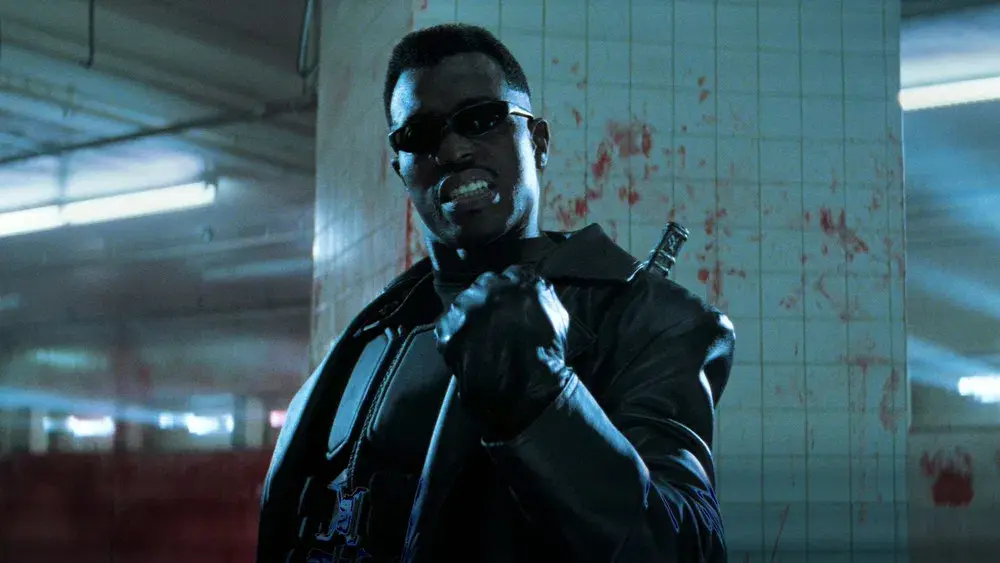
Press play for full effect, then read on!
BLOOD RAINS FROM NIGHTCLUB SPRINKLERS
Painting the writhing crowd of vampires in a crimson strobe. Techno slams through the room, bass thrumming deep enough to rattle bone.
Through the chaos strides Wesley Snipes, wrapped in black leather and midnight shades. A sword rests across his back— a silver stake gun rises in his hand, tracking every shadow that dares to move.
Bodies collapse. Screams drown under the beat. And above it all, New Order’s “Confusion” keeps pulsing, refusing to stop.
The Blood Club sequence from Blade is the most iconic opening in superhero cinema. It defined an aesthetic that would dominate action films for the next twenty-five years. The Wachowskis studied it before making The Matrix. Underworld borrowed its nightclub-as-supernatural-battleground concept. John Wick owes it a debt for proving long-take action choreography could anchor a franchise.
In the final days before delivery, the studio chairman wanted it gone entirely.
Gone!
He found the sequence "too much." In fact, he was personally offended that his notes to tone it down had been ignored. To appease him—to "make him go away," as director Stephen Norrington recounted to me in conversation, a sacrificial lamb was offered. Originally, the sequence included a beat where the human victim, Dennis, drags out a clunky 1998 flip phone, fumbling it in the blood while frantically trying to dial 911. It explained why the cops arrived so fast. Norrington cut the logic to save the vibe.
The scene that changed action cinema almost ended up on the cutting room floor. Understanding why reveals everything about what made Blade revolutionary, and what Hollywood still doesn't grasp about how genuinely great action sequences actually work.
The Genre Was Dead
August 1998. Superhero films were box office poison.
Batman & Robin had been critically eviscerated the year before. George Clooney apologises for it to this day. Steel cost $16 million and limped to $1.7 million. Spawn earned a 17% Rotten Tomatoes score and was disowned by its own star. "There is no footage of me ever saying that I liked Spawn," Michael Jai White later admitted.
Warner Bros. pulled the plug on Superman Lives with Nicolas Cage and Tim Burton. Spider-Man, Iron Man, X-Men—all languishing in development purgatory. Studios had given up. The genre was a punchline.
Marvel Comics filed for Chapter 11 bankruptcy in December 1996. Stock collapsed from $35.75 to $2.38. The company staggered under $610 million in debt. Desperate for cash, Marvel sold Blade to New Line Cinema for a pittance. They would earn approximately $25,000 from the film's eventual $70 million domestic gross.
Twenty-five thousand dollars. From a film that would save the company.
Into this wreckage stepped Stephen Norrington with an R-rated vampire hunter movie based on a character nobody had heard of. Budget: $45 million. Rating: hard R. Star: Wesley Snipes, who wasn't considered a guaranteed draw. The studio was nervous enough that they wanted the Blood Club opening toned down or removed entirely.
Too violent. Too stylised.
Too much.
Norrington fought to keep it. That scene—the one the studio considered excessive—became the most influential opening in superhero cinema history.
You Might Also Like
Curated picks from across RewindZone
The Messy Reality Behind the Cool
On screen, the Blood Club is a masterpiece of slick, gothic cool. The reality of shooting it was a miserable endurance test.
The "blood" wasn't CGI. It was thousands of gallons of cold, recycled liquid pumped through a closed loop—sucked into grates, cleaned, and rained back down. Cinematographer Theo Van de Sande later noted the grim reality of freezing actors in wet clothes: "People pee when they're cold."
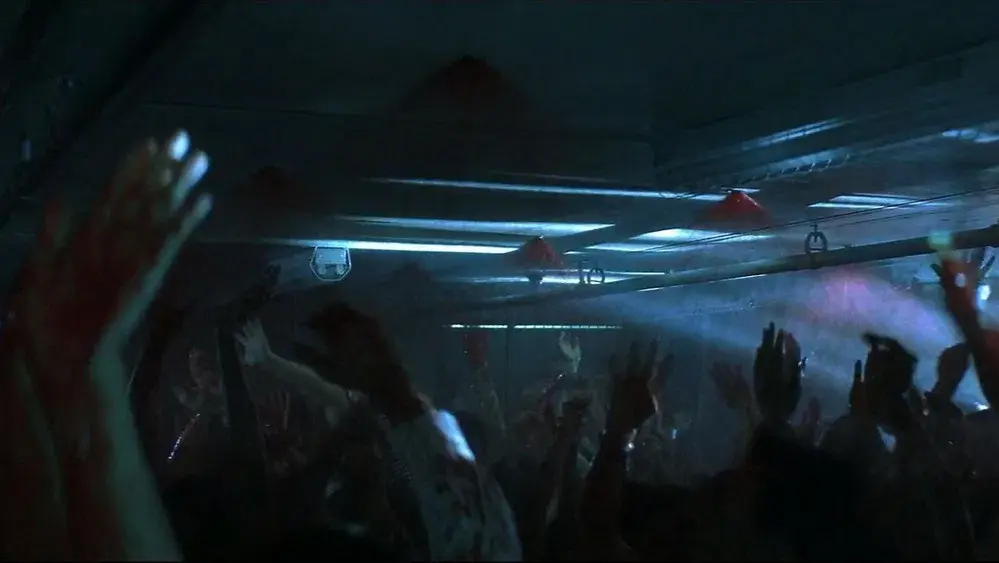
Extras in $3.50 plastic raincoats suffered skin irritation and illnesses. And because they couldn't afford high-end strobe effects, Van de Sande had to improvise, building custom mirror cubes and "seven windows" to shine light through the falling liquid, making the blood look "crystallised" and "particulated."
It was a grueling, sanitary nightmare. Yet Norrington took this chaos—shivering extras, recycled fluids, improvised lighting—and transmuted it into the coolest sequence of the decade.
What Made It Revolutionary
Watch the Blood Club sequence again. Blood falls from sprinklers in time with the music. The bass drops as Blade retrieves his sunglasses after pinning Quinn to the wall. Every element—image, sound effect, music cue—doesn't happen in sequence.
They lock together as one unified beat.
Norrington explains, comparing his first success to his later troubled production.
"Blade is a significantly more effective film than LoEG because the music and picture are so tightly interlocked. I had massive input into Blade's music scheme and how the edit, music, and sound interlocked."
That's not standard action filmmaking. Most films shoot, edit, then add music as an afterthought. Norrington built all three as interlocking parts from the start. Picture, sound, and music designed together as architectural elements of a single whole. The rhythm of the blood falling. New Order's "Confusion" remix throbbing underneath. Snipes' movement through the space.
Perfect synthesis.
The Blood Club opening works because it announces this superhero film operates under completely different rules. Adult. Visceral. Unapologetically stylish. The gothic aesthetic married to electronic music. The long-take action choreography. The black leather and sunglasses becoming visual shorthand for cool competence.
Eight months after Blade opened, The Matrix arrived with nearly identical visual DNA. The Wachowskis had explicitly cited Blade as a reference. That fusion of martial arts, techno, and black leather became the template. Underworld borrowed the nightclub-as-battleground concept directly. John Wick's entire aesthetic—techno soundtrack, balletic violence, nightclub sequences—traces straight back to that opening.
The studio chairman called it "too much."
The scene they wanted gone became the most copied sequence in twenty-five years of action cinema.
The Breakthrough
Blade opened August 21, 1998. It debuted at number one, dethroning Saving Private Ryan. It grossed $131.2 million worldwide—nearly three times its budget.
Kevin Feige, the architect of the MCU, explicitly credits Blade as the foundation. "The one-two punch for Marvel, pre-dating me was Blade and then X-Men," he told Deadline.
The film proved three things simultaneously: Marvel characters could work on screen, superhero films could be profitable, and the formula worked even with "C-tier" characters nobody knew. That success became the MCU's entire strategy.
Despite its eventual success, the odds were stacked against it. The studio was nervous enough to push for star Stephen Dorff's casting because he was "bankable in Japan," a response to the explicit racism of an international executive who believed a Japanese audience wouldn't see a film with a Black lead on the poster.
Records
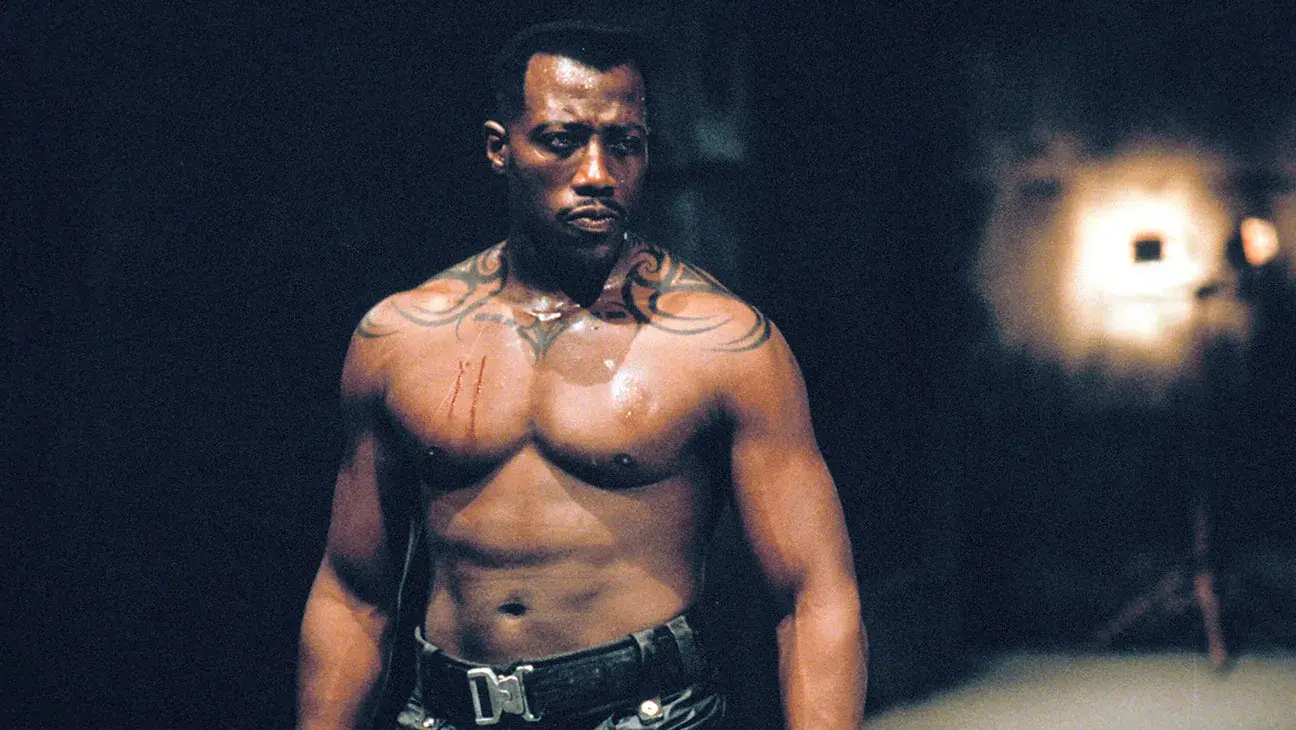
Wesley Snipes now holds the Guinness World Record for the longest career as a live-action Marvel character.
"I had no idea it would have broader appeal," Snipes told Slate. "It taught us what was possible."
And the studio wanted to cut its opening scene.
The Template
The visual language Blade established became standard operating procedure for the next two decades.
- The Matrix (1999): Black leather, martial arts, techno, nightclub shootouts.
- Underworld (2003): Vampire nightclubs, gothic aesthetic. Kate Beckinsale’s Selene is essentially Blade in a corset.
- John Wick (2014-present): The "Club aesthetic"—neon lighting, electronic music, and long-take "gun-fu" where movement and violence interlock.
Even the MCU, with its family-friendly mandate, borrowed the "cool factor" Blade injected into the genre. They just sanitised the blood.
In Conversation with Stephen Norrington
The Blade director opens up about his creative process, Hollywood politics, and what he's working on now
The Legacy
The irony stings. The studio chairman wanted to cut the Blood Club scene because it was "too much." He was offended by it.
To make him go away, Norrington sacrificed the logic of a flip phone to save the soul of the movie.
Norrington knew what he had. He knew that the "propulsive forward momentum" created by locking the beat to the image was the secret sauce. The industry spent decades copying the look—the leather, the shades, the rain—but rarely understood that underlying principle.
 Richard Wells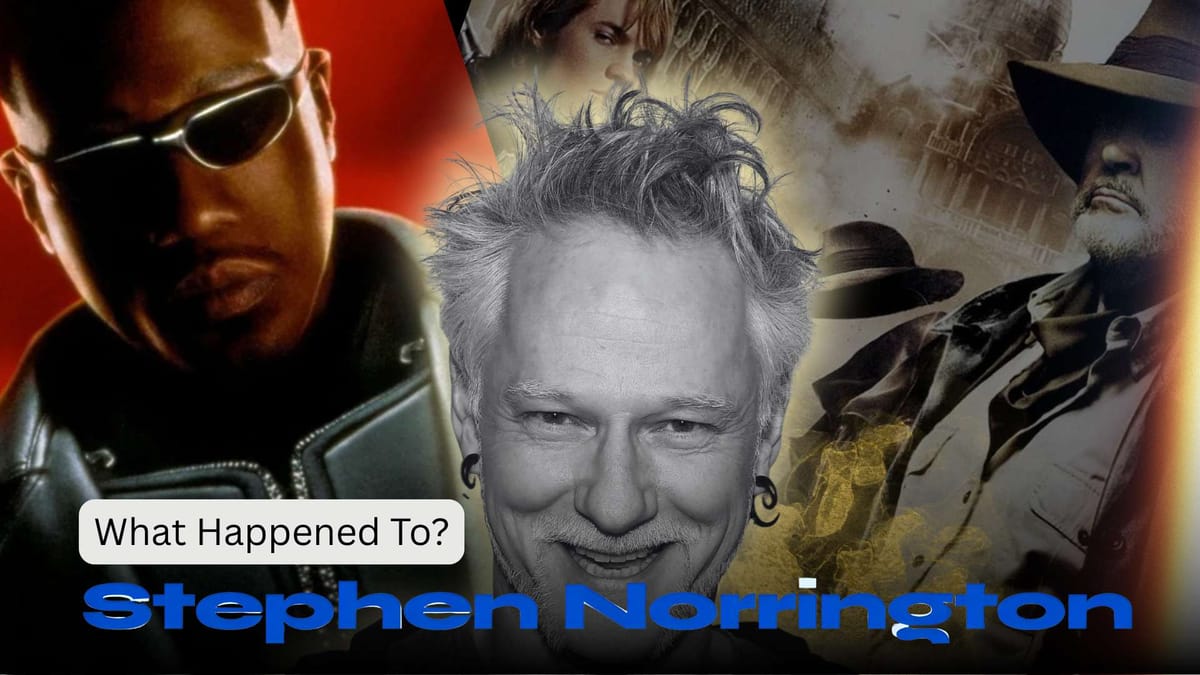
In 2025, Marvel's Blade reboot remains trapped in development hell. Perhaps they're learning what Norrington already knew: you can't make a safe version of Blade.
The film that saved Marvel worked precisely because it was "too much."
The chairman's name is forgotten. The scene remains. And almost three decades later, Hollywood still hasn't figured out how to replicate what it almost destroyed.