The 1970s should be remembered as cinema's most fearless decade. We got Star Wars, Jaws, The Exorcist. But while those blockbusters invented the modern summer movie season, a wave of gritty, experimental, and deeply cynical films were rewriting the rulebook on what movies could be.
These aren't just nostalgia trips. They're films that captured the post-Watergate paranoia, the urban decay, and the explosion of the New Hollywood and European auteurs. Some were massive hits that have become cultural wallpaper. Others were arthouse experiments that confused audiences before becoming legends.
Fair warning: if you need your protagonists heroic and your endings happy, this probably isn't the list for you. These films were made when "happy endings" felt like a lie and ambiguity was the currency of the day. But if you can look past the grain and the grime—and you absolutely should—there's a raw energy here that modern polished cinema often lacks.
Here are twenty classic 70s films that defined the era.
Hi, Mom! (1970)
Directed by Brian De Palma
Before he was the master of the thriller, Brian De Palma was making radical, satirical counterculture comedies. Hi, Mom! is the sequel to 1968's Greetings, bringing back Robert De Niro for one of his earliest roles.
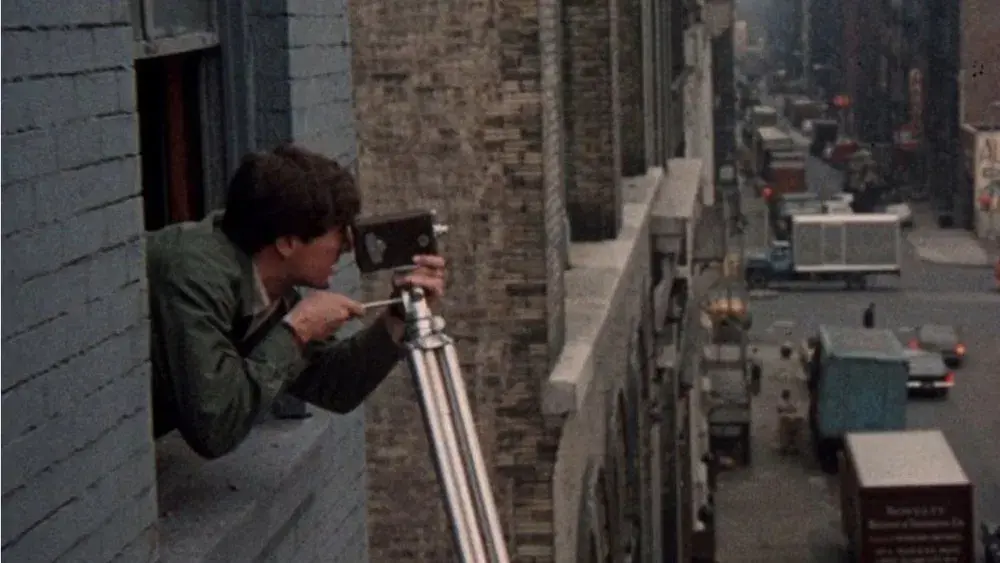
De Niro plays Jon Rubin, a Vietnam vet who returns to New York to become an "adult filmmaker." His big idea? Set up a camera in his window and film the neighbors. It’s Rear Window played for voyeuristic satire rather than suspense. The film is a jagged collage of styles, including a centerpiece sequence called "Be Black, Baby!"—a mock-documentary of an immersive theater group that is as uncomfortable as it is brilliant.
It’s messy, dated in parts, and aggressively provocative. But Hi, Mom! shows a young De Palma and De Niro experimenting with the themes of surveillance and media manipulation that would define their later careers. It captures the chaotic energy of 1970 New York like a time capsule.
Zabriskie Point (1970)
Directed by Michelangelo Antonioni
Michelangelo Antonioni came to America to capture the counterculture and ended up making one of the most beautiful, baffling flops in studio history.
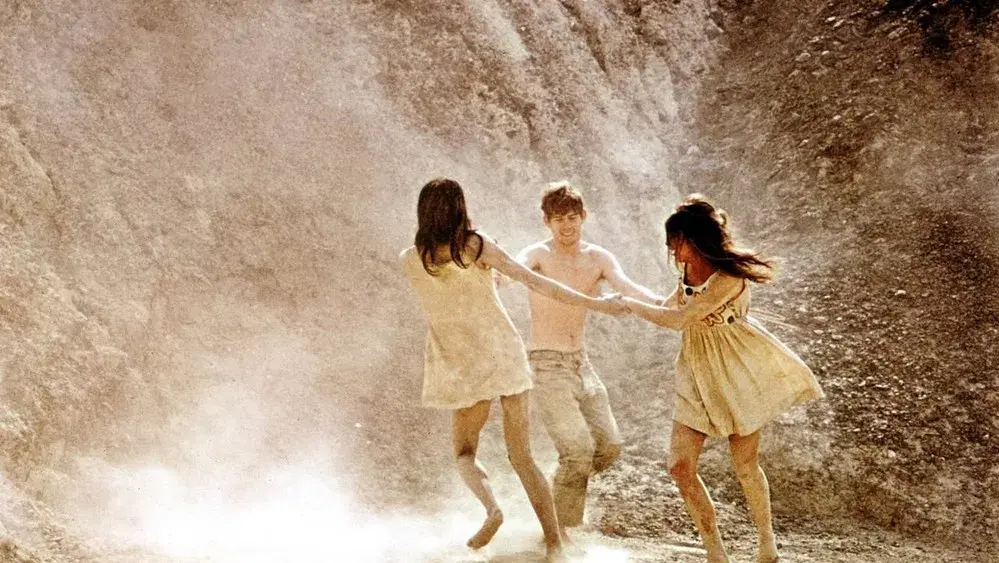
Zabriskie Point follows two drifting young people—a student radical and a secretary—who meet in the desert. The plot is thin, to put it mildly. But plot isn't the point. Antonioni treats the American landscape like an alien planet, filling the screen with billboards, consumer detritus, and the stark beauty of Death Valley.
Critics hated it. The studio lost a fortune. But the final sequence—an explosive montage of a modern house blowing up in slow motion to the strains of Pink Floyd—is a piece of pure cinematic poetry. It’s a film about the death of the American dream, viewed through the eyes of a bewildered Italian master.
McCabe & Mrs. Miller (1971)
Directed by Robert Altman
Robert Altman didn't just make a Western; he deconstructed the entire myth of the frontier.
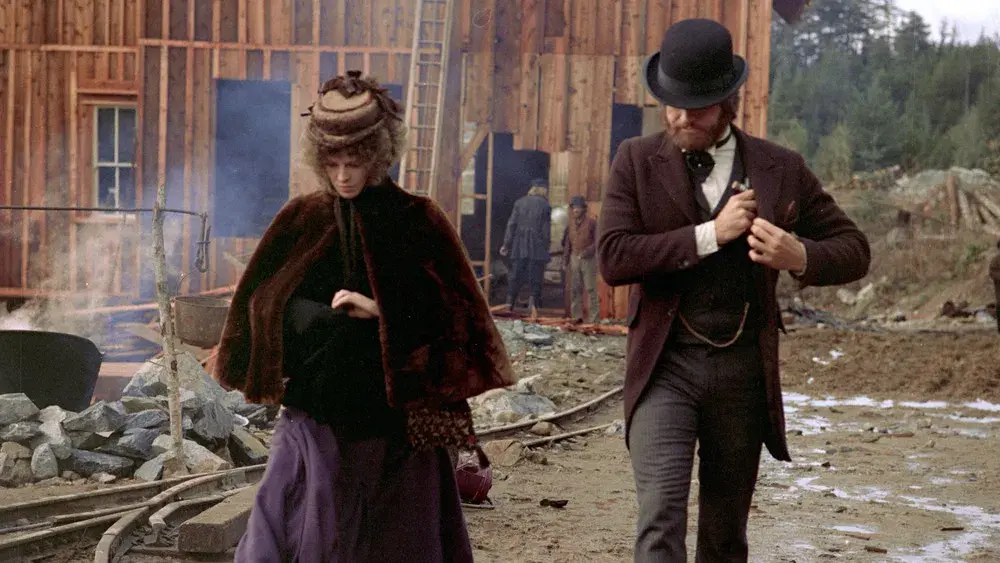
Warren Beatty plays McCabe, a small-time gambler who wanders into a muddy, freezing mining town to open a brothel. Julie Christie is Mrs. Miller, the opium-addicted madam who actually knows how to run the business. Shot in rainy, snowy British Columbia, the film looks like a faded photograph. The dialogue overlaps, mumbled and half-heard, creating a sense of eavesdropping on real life.
There are no shootouts at high noon here. The violence, when it comes, is clumsy and unheroic. McCabe & Mrs. Miller is a tragedy about capitalism and crushing corporate power, set against a backdrop of snow and mud. It’s arguably Altman’s masterpiece.
The Heartbreak Kid (1972)
Directed by Elaine May
Written by Neil Simon and directed by the brilliant Elaine May, The Heartbreak Kid is a romantic comedy that is actually a horror movie about narcissism.
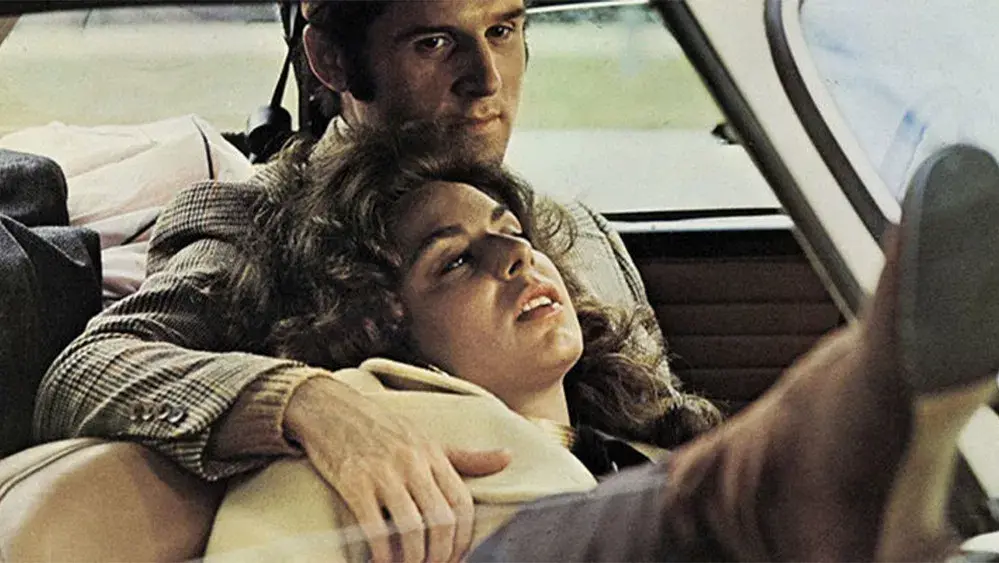
Charles Grodin plays Lenny, who marries a sweet, slightly annoying woman (Jeannie Berlin) and then, on their honeymoon, falls instantly in lust with a college blonde (Cybill Shepherd). The brilliance of the film is how uncomfortably long it holds the shot on Lenny’s cruelty. He is a monster of self-absorption, and Grodin plays him with a squirm-inducing lack of awareness.
It’s hilarious, but it hurts. Elaine May directs with a ruthlessness that turns a standard screwball premise into a dissection of male entitlement. It’s the anti-rom-com.
The Long Goodbye (1973)
Directed by Robert Altman
Another Altman revisionist classic. This time, he takes Raymond Chandler’s legendary detective Philip Marlowe and drops him into 1970s Los Angeles.
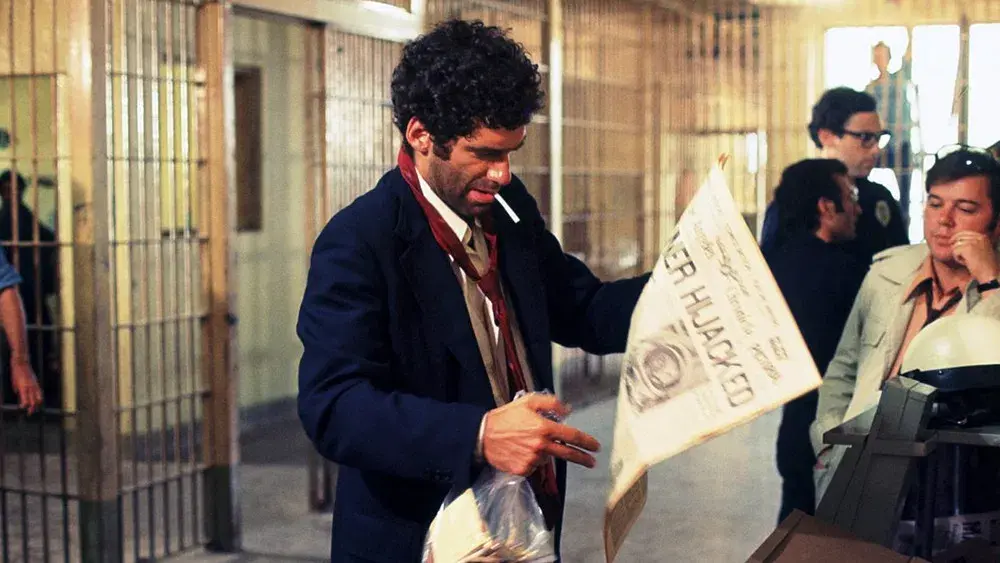
Elliott Gould plays Marlowe not as a tough guy, but as a mumbling, chain-smoking relic who just wants to feed his cat. The mystery plot is almost beside the point (and significantly changed from the book). What matters is the vibe. The camera constantly drifts, the camera moves are restless, and the sun-bleached LA setting feels washed out and corrupt.
Genre purists hated it. But The Long Goodbye is the perfect noir for the 70s—a time when the old codes of honor didn't make sense anymore. It’s cool, cynical, and features one of the best endings in detective cinema.
F for Fake (1973)
Directed by Orson Welles
Orson Welles' final major completed film isn't a fiction film or a documentary. It’s a magic trick.
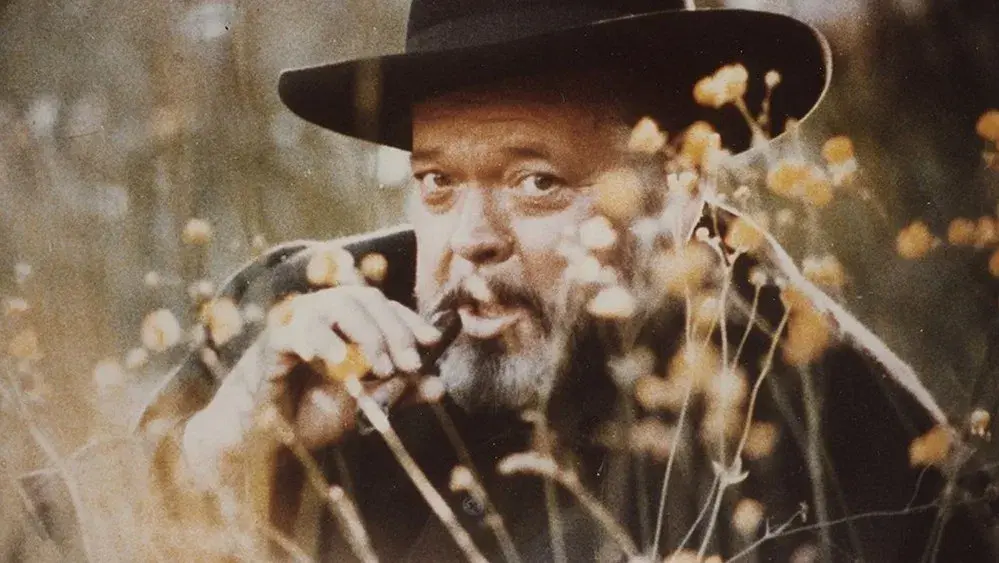
Centered on the famous art forger Elmyr de Hory and the biographer Clifford Irving (who forged a biography of Howard Hughes), F for Fake is a dizzying essay on the nature of authorship, lies, and reality. Welles edits the film like a kaleidoscope, cutting between interviews, magic tricks, and his own narration.
It was decades ahead of its time, predicting our obsession with "fake news" and the fluid nature of truth in media. If you think video essays are a modern YouTube invention, watch F for Fake and see where it all started.
Chinatown (1974)
Directed by Roman Polanski
You know the line: "Forget it, Jake, it's Chinatown." But the film remains the gold standard of neo-noir.

Jack Nicholson is J.J. Gittes, a private eye who thinks he's cynical but is actually hopelessly naive about the depths of corruption he’s wading into. The script by Robert Towne is often cited as the perfect screenplay, weaving a complex mystery about Los Angeles water rights into a devastating family tragedy.
Unlike the noirs of the 40s, there is no moral restoration here. The corruption is systemic, ancient, and untouchable. The ending is one of the bleakest in Hollywood history, cementing the 70s as the decade where the bad guys didn't just win—they owned the town.
The Texas Chain Saw Massacre (1974)
Directed by Tobe Hooper
Forget the sequels and the remakes. The original Texas Chain Saw Massacre is a piece of raw, industrial art.
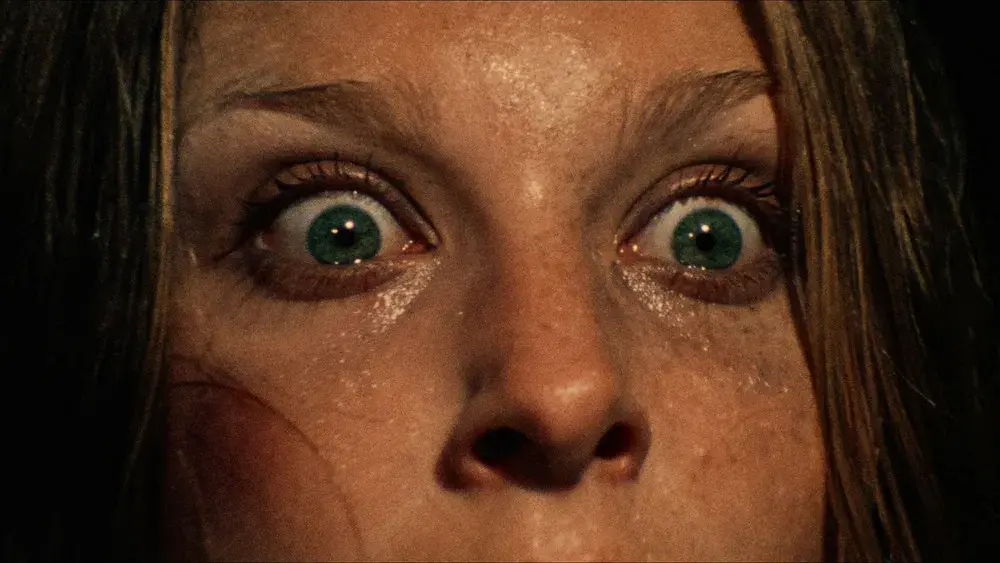
Shot on 16mm film in the blistering Texas heat, the movie feels less like a production and more like a snuff film you weren't supposed to find. There is surprisingly little gore; the horror comes from the relentless, screaming intensity and the grotesque sound design. Leatherface isn't a cool movie monster here; he's a confused, terrified butcher protecting his home.
It changed horror forever, moving the threat from supernatural castles to the American backyard. It remains genuinely upsetting in a way that polished modern horror can rarely achieve.
The Godfather Part II (1974)
Directed by Francis Ford Coppola
The rare sequel that equals—and some argue surpasses—the original. Coppola took the success of the first film and used it to make a dark, brooding Shakespearean tragedy.
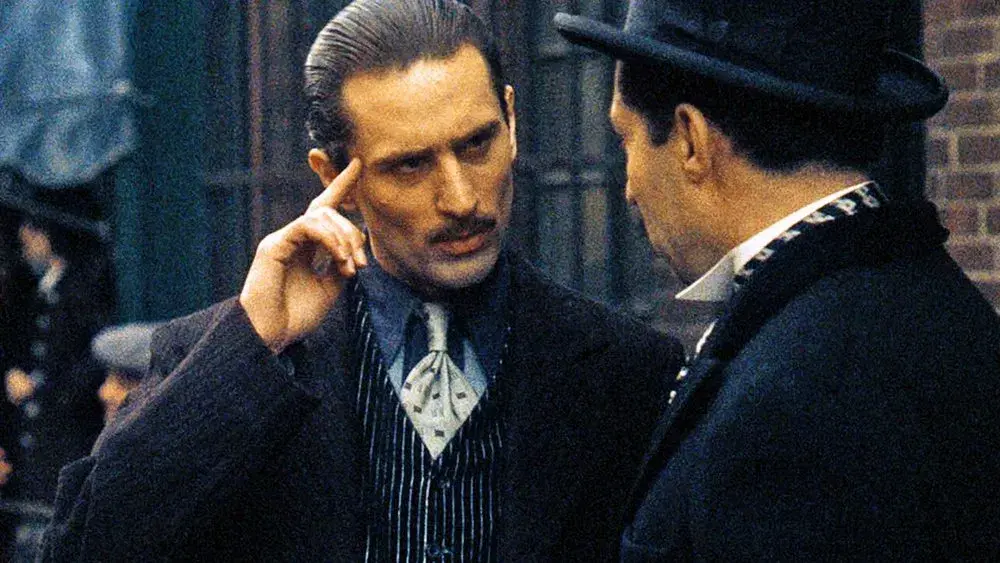
Structuring the film as two parallel timelines—young Vito Corleone (Robert De Niro) building the empire, and Michael Corleone (Al Pacino) presiding over its spiritual decay—was a stroke of genius. It contrasts the rise of the American immigrant dream with its hollow, corporate reality.
Pacino’s performance is a masterclass in repression. He turns Michael into a ghost, a man who gains the world but loses his soul. It’s a long, demanding film, but every frame is painted with the rich, dark hues of a Rembrandt.
Céline and Julie Go Boating (1974)
Directed by Jacques Rivette
If you think a 3-hour French film sounds like homework, you haven't seen Céline and Julie Go Boating. It is pure joy.
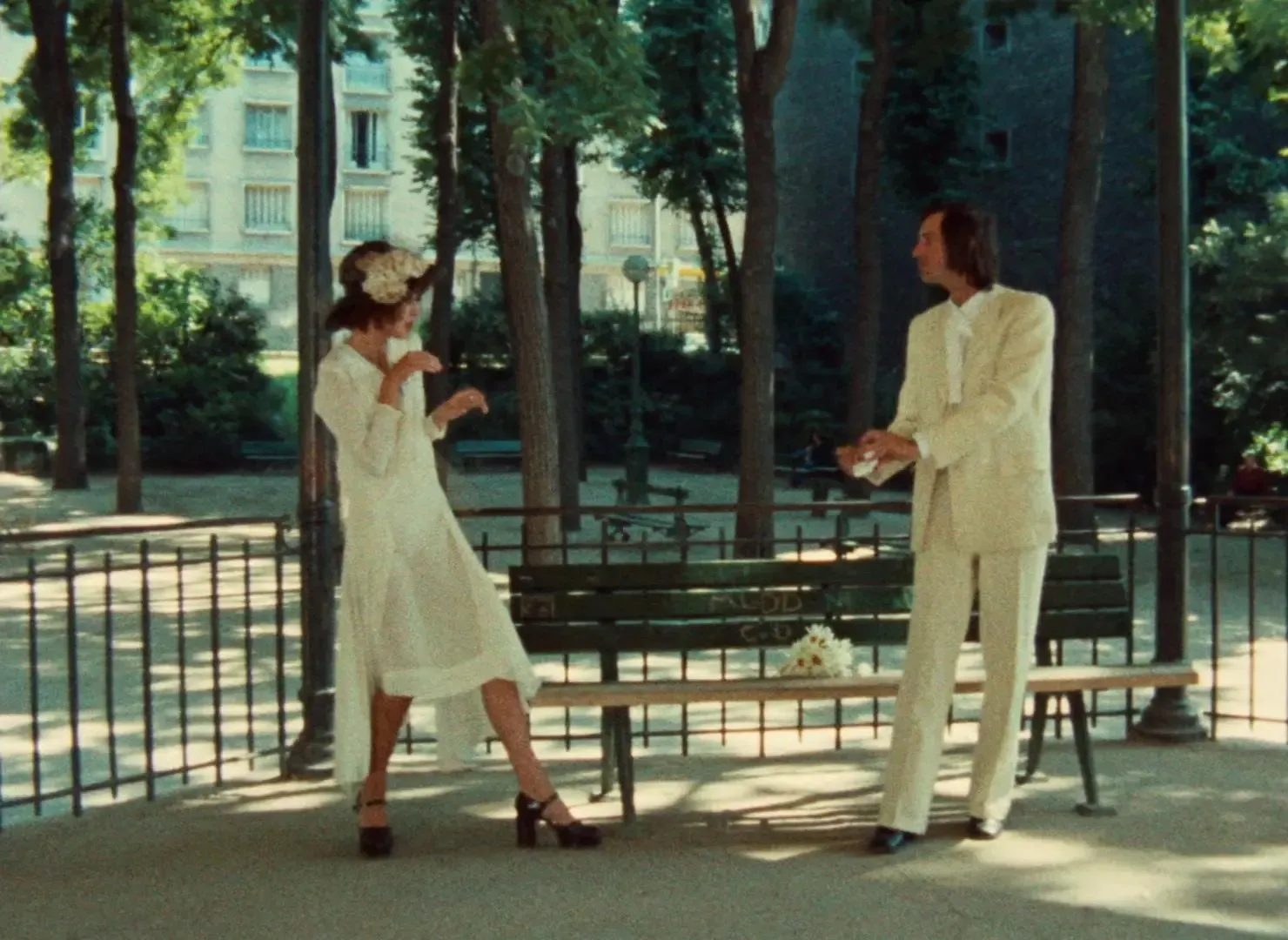
Julie is a librarian; Céline is a magician. They meet in a park and tumble into a surreal adventure involving a haunted house where a melodrama plays out on a loop. By sucking on magic candies, they can enter the house and eventually intervene in the story.
It’s Alice in Wonderland meets a breathless chase movie. Director Jacques Rivette encourages improvisation and playfulness, creating a "hangout movie" that feels like a dream you don't want to wake up from. It’s the lighter, sillier side of the French New Wave that often gets overlooked.
The Passenger (1975)
Directed by Michelangelo Antonioni
Jack Nicholson again, this time stripping away all his "Jack" mannerisms to play a bored journalist in Africa who assumes the identity of a dead man.
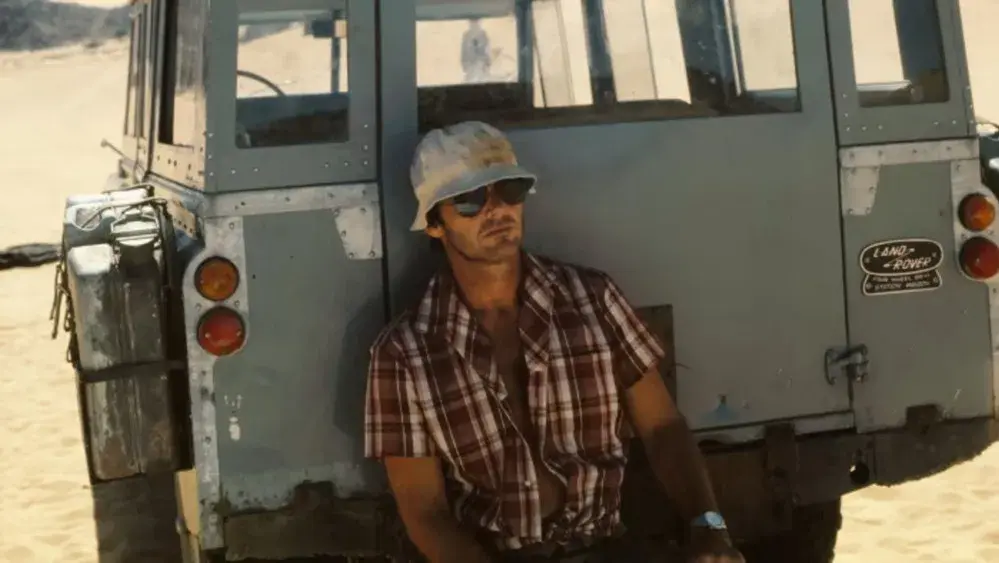
He thinks he’s escaping his life, but he finds that he’s just stepped into someone else’s destiny. Antonioni directs with his signature detachment, letting the camera wander away from the action to look at a wall or a landscape. The film is a meditation on identity and the futility of escape.
It culminates in a famous seven-minute penultimate shot that passes through a hotel window bars and circles back, a technical marvel that still baffles viewers today. It’s slow, hypnotic, and utterly mesmerising.
Barry Lyndon (1975)
Directed by Stanley Kubrick
Stanley Kubrick’s period drama is often called his most beautiful film, and for good reason. He famously used lenses developed for NASA to shoot by candlelight, giving the film the look of 18th-century oil paintings.
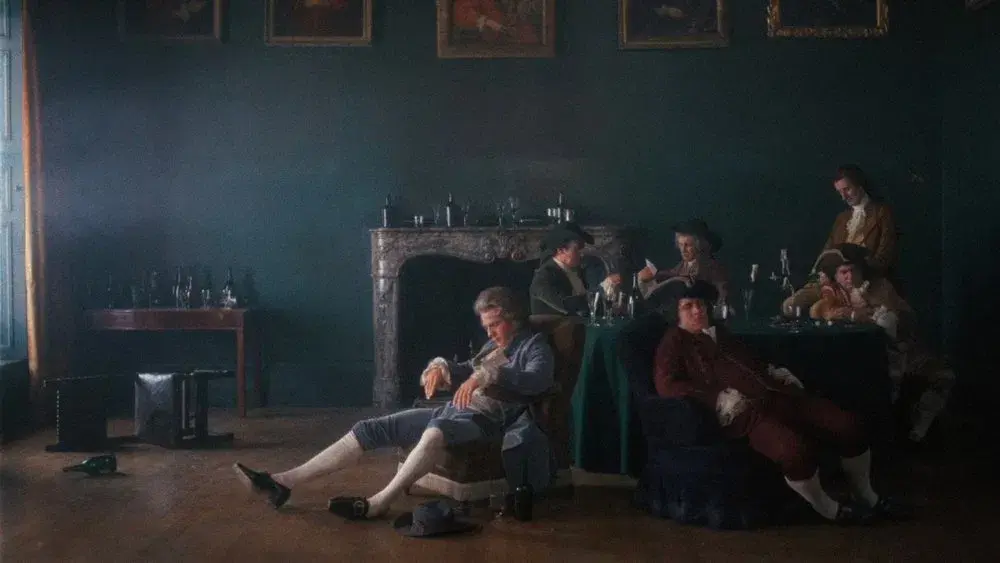
Ryan O’Neal plays the titular rogue, an Irish opportunist who stumbles his way up the British social ladder only to fall back down. It is a cold, funny, and devastatingly precise film. The narrator treats the characters like specimens in a jar, observing their foolishness with a dry wit.
Audiences in 1975 found it too slow. Today, it stands as a visual masterpiece. Every frame is a composition. It is cinema as high art, unconcerned with holding your hand.
Jeanne Dielman, 23, quai du Commerce, 1080 Bruxelles (1975)
Directed by Chantal Akerman
This film recently topped the Sight & Sound poll of the greatest films of all time, shocking everyone. But Jeanne Dielman earns its reputation.
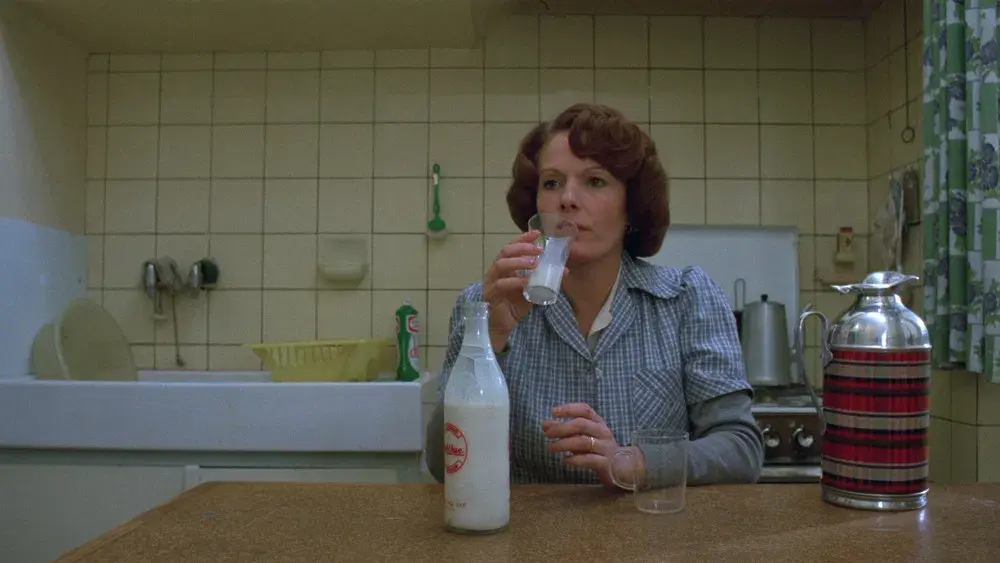
We watch three days in the life of a widowed mother (Delphine Seyrig). We watch her peel potatoes. We watch her make coffee. We watch her sit. We also learn she turns tricks in the afternoon to make ends meet. The terror comes when her routine begins to slip—a slightly overcooked potato becomes a sign of impending collapse.
It is a structuralist experiment that demands patience, but the payoff is a radical reorientation of what we consider "action" in cinema. It turns domestic labor into the stuff of high tension.
Mirror (1975)
Directed by Andrei Tarkovsky
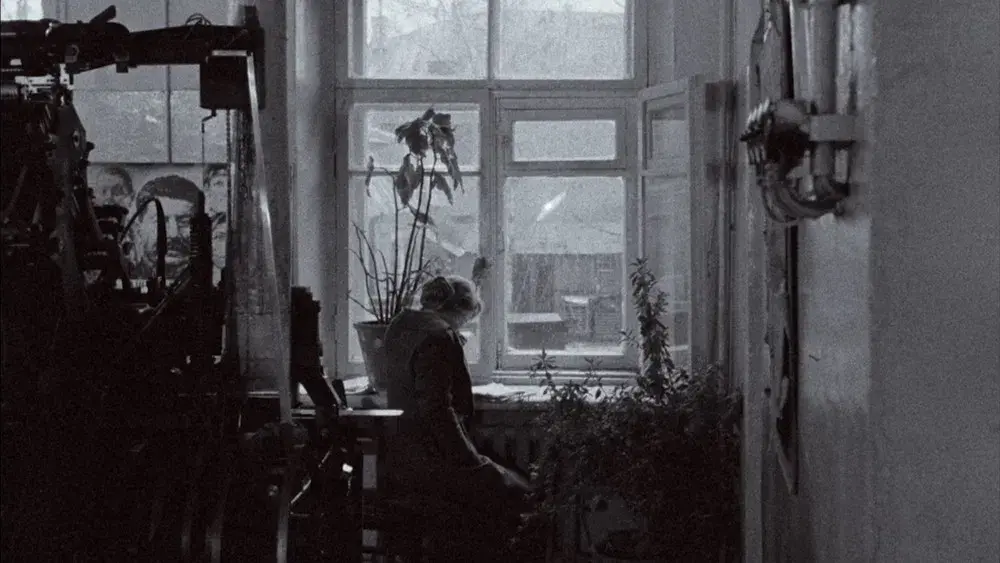
Andrei Tarkovsky’s Mirror is not a narrative; it’s a memory.
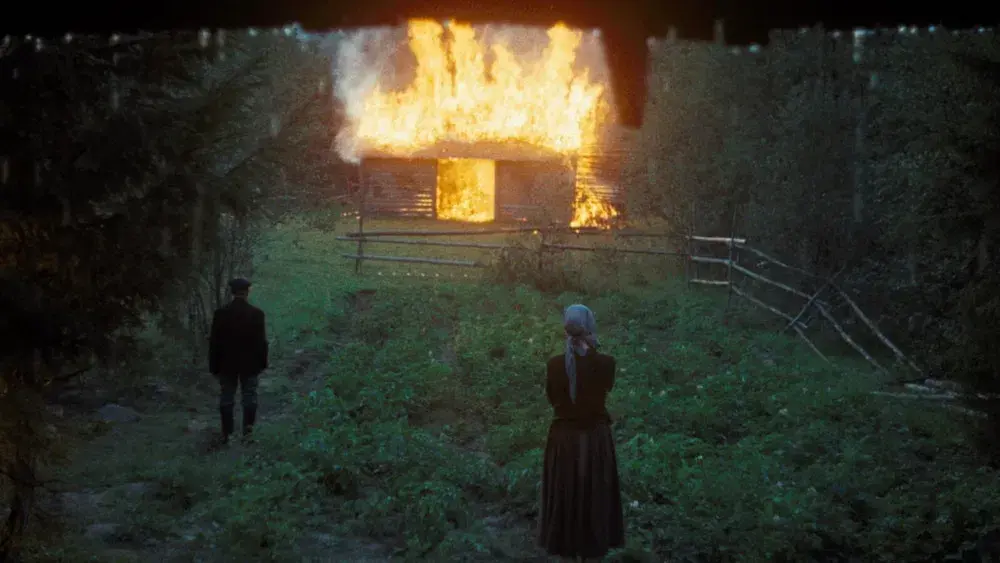
Drawing on his own childhood, Tarkovsky weaves together dreams, newsreel footage, and poems recited by his father. The timeline fractures. The same actors play different roles across generations. It’s confusing if you try to follow it like a plot, but intuitive if you let it wash over you like music.
The imagery—a burning barn, a woman floating, wind sweeping through a field of buckwheat—is among the most striking ever put on film. It’s a deeply personal, spiritual work that tries to capture the feeling of remembering.
Further Reading...
 Richard Wells
 Richard Wells
The Bad News Bears (1976)
Directed by Michael Ritchie
On the surface, it’s a kids’ sports movie. Underneath, it’s a cynical 70s satire.

Walter Matthau plays Buttermaker, an alcoholic pool cleaner hired to coach a team of misfits. Unlike the polished Disney sports movies that followed, this film is gritty. The kids swear. The adults are awful. Buttermaker actually gives the kids beer.
It’s a movie about the lie of American competitiveness. They don't win the big game in a blaze of glory (spoiler: they lose), and the movie suggests that maybe winning isn't worth the dignity you lose chasing it. It’s hilarious, rude, and surprisingly honest. Check out our recent Cast Retrospective.
Taxi Driver (1976)
Directed by Martin Scorsese
The definitive film about urban alienation. Robert De Niro’s Travis Bickle is a walking open wound, driving his cab through the steam and filth of a pre-cleanup New York City.
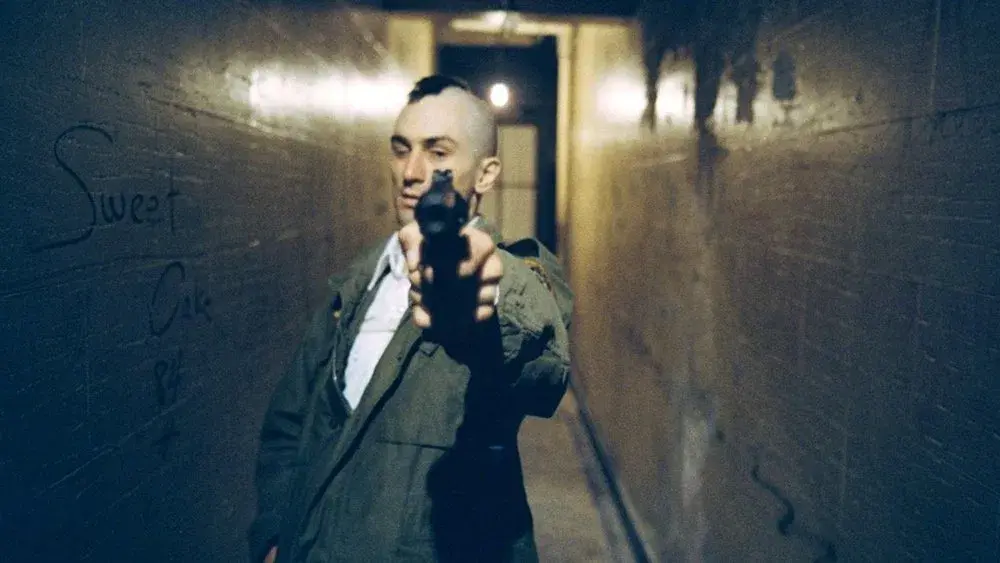
Scorsese directs with a feverish intensity, aided by Bernard Herrmann’s jazzy, doom-laden score. The film captures a city on the brink of a nervous breakdown. Bickle isn't an anti-hero; he’s a ticking bomb, a man whose desire for connection has curdled into violence.
It’s a difficult, ugly watch that feels more relevant every year. The line between vigilante and psychopath has never been blurrier.
The Devil, Probably (1977)
Directed by Robert Bresson
Robert Bresson’s films are known for their "models" (non-actors) and stripped-down style. The Devil, Probably is his punk rock movie.

It follows a young drifter, Charles, who looks at the world—pollution, nuclear threat, religious hypocrisy—and decides he wants no part of it. He seeks a way to end his life. It sounds depressing, and it is, but there’s a strange, deadpan humor to it.
Bresson captures the nihilism of post-1968 youth culture with surgical precision. It was hated by many upon release for its bleakness, but it stands as a fierce, unyielding look at a generation that felt it had no future.
Annie Hall (1977)
Directed by Woody Allen
The film that beat Star Wars for Best Picture. Annie Hall invented the modern neurotic rom-com.
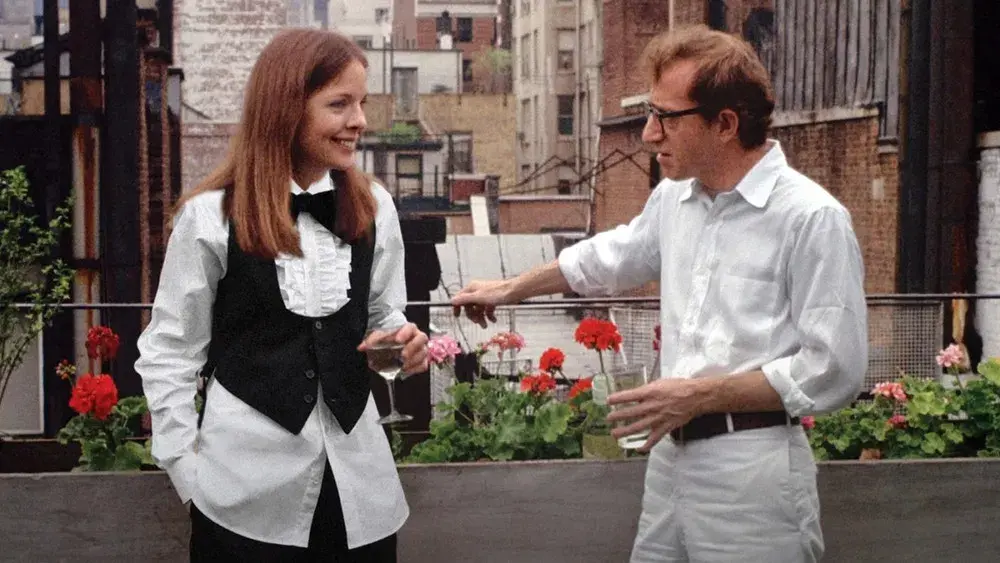
It broke all the rules: characters talk to the camera, subtitles reveal what they’re actually thinking, and the narrative jumps around in time. It felt incredibly modern in 1977 and still feels fresh today. Diane Keaton created a fashion icon and a fully realized female character, not just a muse.
It’s a relationship movie that acknowledges that most relationships end, and that’s okay. It’s bittersweet, smart, and captures a specific slice of intellectual New York life that has been imitated a thousand times since.
Killer of Sheep (1978)
Directed by Charles Burnett
Shot on weekends for roughly $10,000 as a master's thesis, Killer of Sheep is a miracle of American independent cinema.
Killer of Sheep (1978)
Set in the Watts neighborhood of Los Angeles, it follows Stan, a slaughterhouse worker, as he drifts through his days. There is no traditional plot. We just see kids playing in the rubble, Stan trying to buy a car engine, a couple dancing in a living room.
Burnett captures the texture of working-class Black life with a poetry that recalls Italian Neorealism. It wasn't released theatrically for decades due to music rights issues, but it is now recognized as a masterpiece of empathy and observation.
Real Life (1979)
Directed by Albert Brooks
Decades before The Office or reality TV took over the world, Albert Brooks predicted it all.

A parody of the PBS documentary An American Family, Real Life stars Brooks as a narcissistic director who moves in with a "typical" Phoenix family to film their lives. He ruins everything. He brings in expensive high-tech cameras, interferes in their arguments, and eventually tries to burn their house down to get a better ending.
It is a brilliant, cringe-inducing satire on the observer effect and the ego of filmmakers. Brooks understood that put a camera in front of someone, and they stop being real.
Read Next
From the Vault