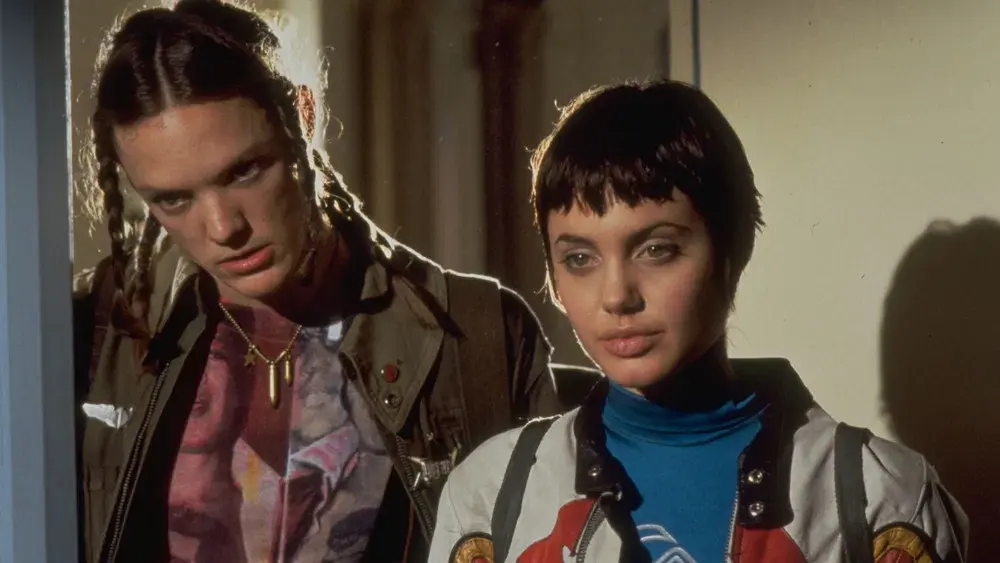
The internet was still something you dialled into in 1995. Screens whined. Modems screamed. Nobody really knew what this new digital frontier would become — only that it felt dangerous, exciting, and slightly illegal.
That’s the moment Hackers dropped into cinemas on 15th September 1995.
Directed by Iain Softley, shot between Pinewood Studios in London and real New York locations like Stuyvesant High School, the film looked like nothing else around it. Vinyl trousers. Rollerblades. Neon data visualisations that made hacking feel like a contact sport. Real-life hacker consultants, including Omar Wasow and Dave Buchwald, were brought in to ground the madness in something resembling reality.
Audiences weren’t ready.
With a $20 million budget and a domestic gross of just $7,563,728 — $7,565,479 worldwide — Hackers landed as a commercial misfire. Critics weren’t kind. The Rotten Tomatoes critics score sits at 33 percent. Metacritic at 46. The consensus was clear: too much style, not enough sense.
And yet.
Thirty-one years on, it refuses to disappear.
The soundtrack still bangs. The fashion keeps coming back. And the cast—that collection of vinyl-clad kids—quietly scattered into the cultural firmament: an Oscar-winning humanitarian, a transatlantic Sherlock, a horror fixture turned cartoon icon, a Wire legend who'd one day redefine Broadway.
What began as a box-office ghost would launch careers that reshaped film, television, and culture itself.
Hackers (1995): Why the Film Flopped — and Why the Cast Endured
Context matters.
As of 2026, the hackers movie cast represents an unusually broad spectrum of success across film, television, theatre, and activism.
In 1995, mainstream audiences had just been burned by Johnny Mnemonic — another cyber-heavy sci-fi release that confused more people than it thrilled. Studios got cold feet. Hackers was delayed. Marketing wobbled. The internet itself still felt abstract to most ticket buyers.
So when the film arrived, it didn’t flop loudly. It just… vanished.
Critics complained that the computer sequences made no sense. They weren’t wrong. The Rotten Tomatoes critics consensus still reads: “Hackers has a certain stylish appeal, but its slick visuals and appealing young cast can’t compensate for a clichéd and disappointingly uninspired story.”
But something strange happened after cinemas.
VHS rentals. Late-night cable. Dorm rooms. Tech meet-ups. Fashion kids who didn’t care how hacking really worked — only how it felt. Slowly, the film found its people.
The phrase “Hack the Planet” became a fan slogan. The soundtrack — The Prodigy, Underworld, Orbital, Leftfield — aged far better than its CGI. And the cast, once dismissed as pretty faces in vinyl, quietly built careers that now dwarf the film that introduced them.
More than thirty years later, the question isn’t why Hackers failed.
It’s how a flop like this produced so much staying power.
In 2026, you can find Hackers streaming on multiple platforms.
Angelina Jolie — Kate “Acid Burn” Libby
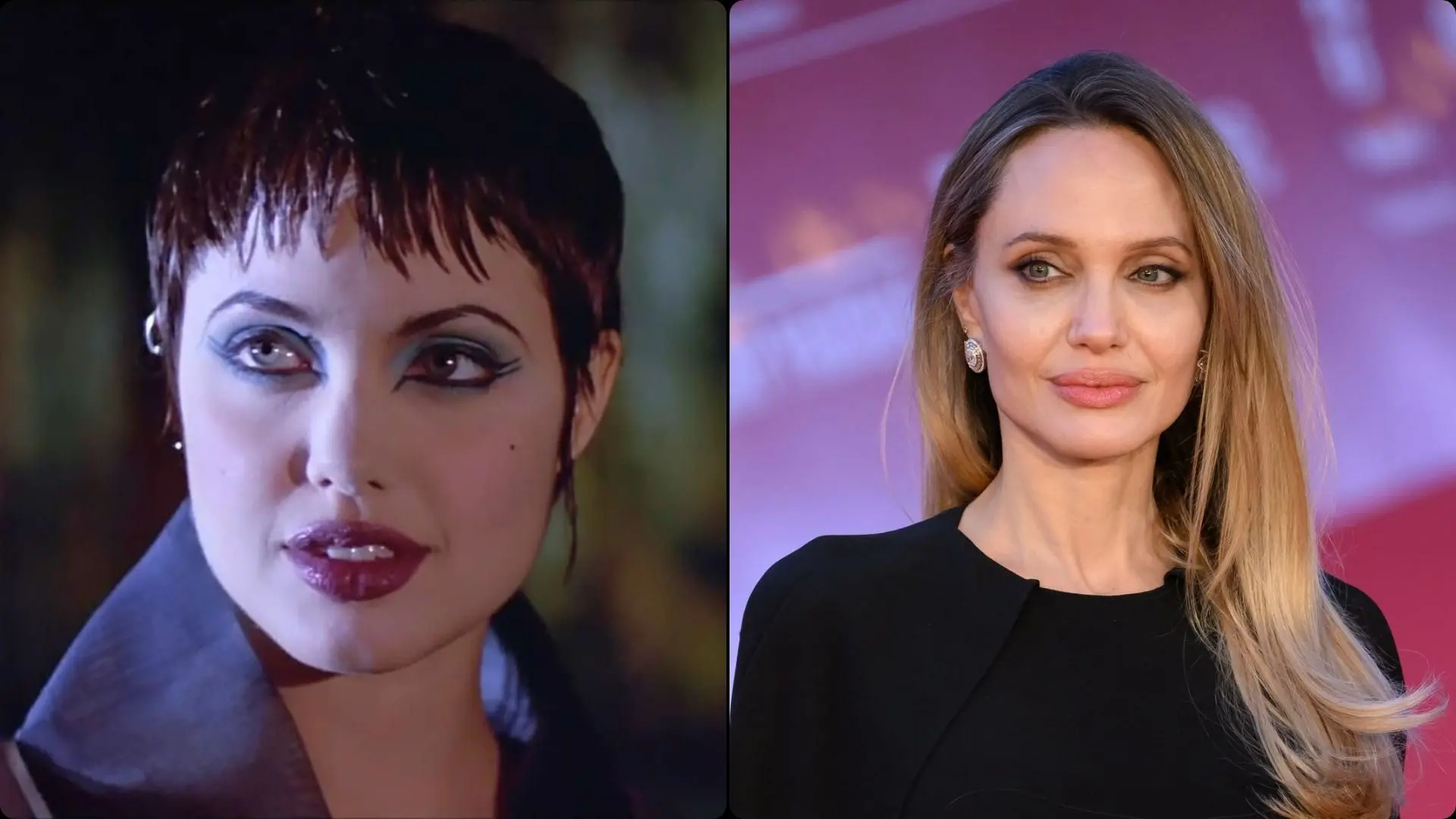
Back then, Angelina Jolie was nineteen and barely known.
She’d done small roles. Modelling. Music videos. Hackers was her first major studio showcase — and she tore through it like she already knew the camera owed her something.
Kate Libby, alias Acid Burn, wasn’t written as a traditional love interest. Jolie leaned into that. The shaved eyebrows. The controlled stillness. The confidence that didn’t ask permission. She didn’t flirt so much as challenge.
Off-screen, she met her future husband. Jolie and Jonny Lee Miller married on 28th March 1996, scrawling each other’s names in blood at the ceremony. The marriage ended in 2000, but it locked the film forever into Hollywood folklore.
The ascent came fast.
Within four years, Jolie won the Academy Award for Best Supporting Actress for Girl, Interrupted (1999). Then came Lara Croft: Tomb Raider, global stardom, and a tabloid presence that could swallow careers whole.
Instead, she pivoted again.
Jolie became a filmmaker, an activist, and a UNHCR Special Envoy. She adopted children across continents. She received the Jean Hersholt Humanitarian Award in 2013. By the time most people rewatched Hackers ironically, she’d already outgrown irony altogether.
Acid Burn was the prototype.
The woman she became was something else entirely.
Jonny Lee Miller — Dade “Zero Cool / Crash Override” Murphy
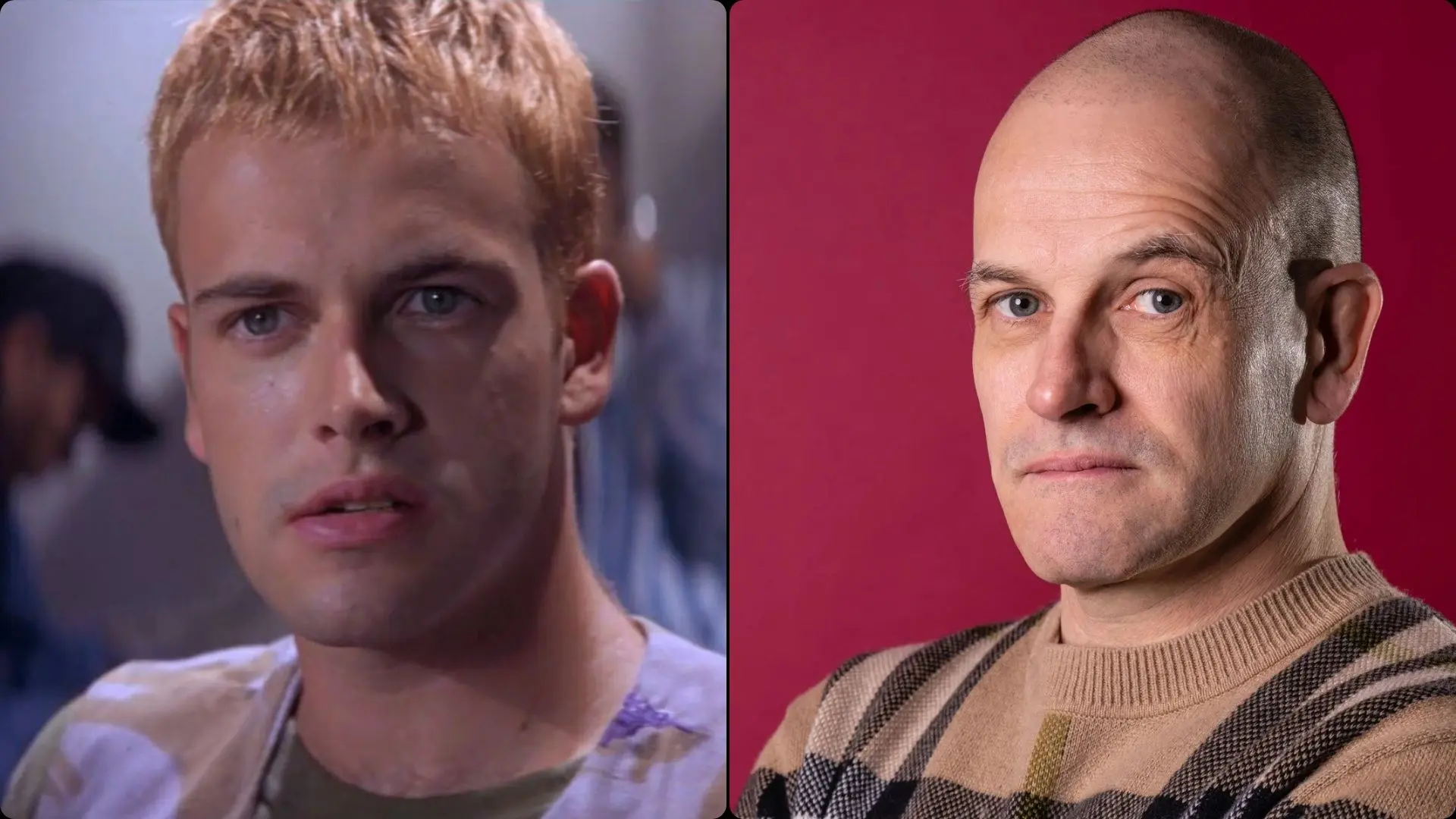
For Jonny Lee Miller, Hackers was a gamble.
A British television actor crossing the Atlantic at twenty-two, he landed his first American lead playing a former child hacker whose keyboard privileges had been revoked by the state. Dade Murphy was awkward, guarded, quietly angry — a contrast to the film’s loud aesthetic.
Miller played him inward.
Then, just months later, he detonated pop culture in a very different way as Sick Boy in Trainspotting (1996). Suddenly, the floppy-haired hacker was part of one of the defining British films of the decade.
Unlike many of his peers, Miller didn’t chase Hollywood dominance. He built range instead.
Stage work. Shakespeare. An Olivier Award. Then seven seasons as Sherlock Holmes on Elementary from 2012 to 2019 — a transatlantic reinvention that earned him steady respect rather than hype.
He became a US citizen in 2014. He returned to the West End. He kept working.
In a cast full of extremes, Miller’s career is the quiet success story.
No scandals. No disappearances.
Just craft.
Behind the vanishing acts: Explore our full database of archival records and investigative profiles.
Matthew Lillard — Emmanuel “Cereal Killer” Goldstein
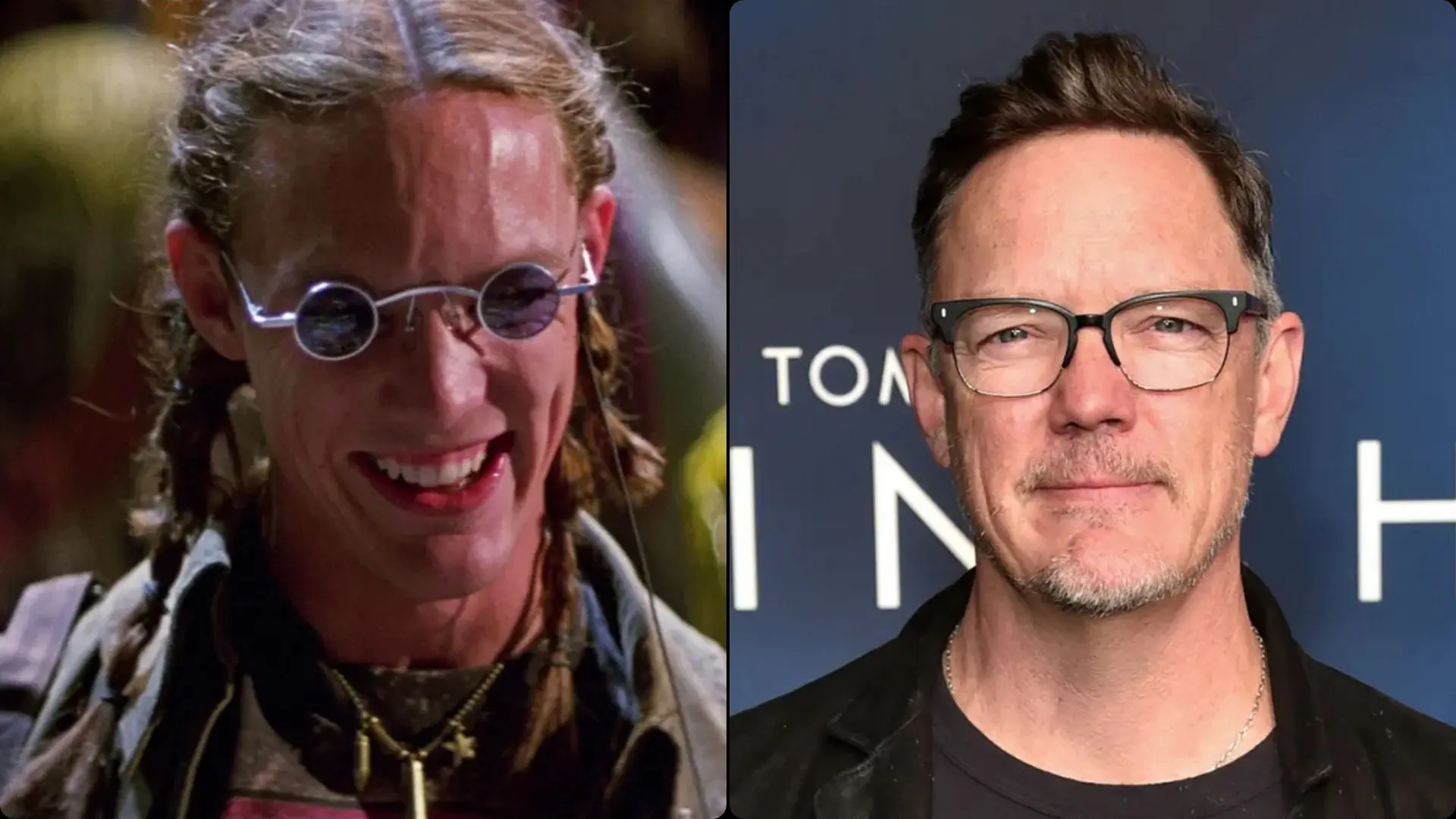
Nobody stole scenes in Hackers quite like Matthew Lillard.
As Cereal Killer — suspenders, sugar addiction, anarchic grin — he felt dropped in from another film entirely. It worked because Lillard committed fully. Too much, if anything.
A year later, he’d cement himself in horror history with Scream (1996). The rest of the 1990s made him a reliable presence: loud, twitchy, unforgettable.
Then he zigged.
In 2009, Lillard took over as the voice of Shaggy Rogers following Casey Kasem’s retirement. What could have been a footnote became a second career. For over a decade, he’s been the voice of Shaggy across animated films, series, and games — a gig that quietly turned him into a generational constant.
He didn’t stop there.
Lillard co-founded Beadle & Grimm’s, producing premium tabletop role-playing game accessories. In 2023, he headlined the box-office smash Five Nights at Freddy’s, reintroducing himself to a new audience.
Cereal Killer never grew up.
Matthew Lillard did — sideways.
Fisher Stevens — Eugene “The Plague” Belford
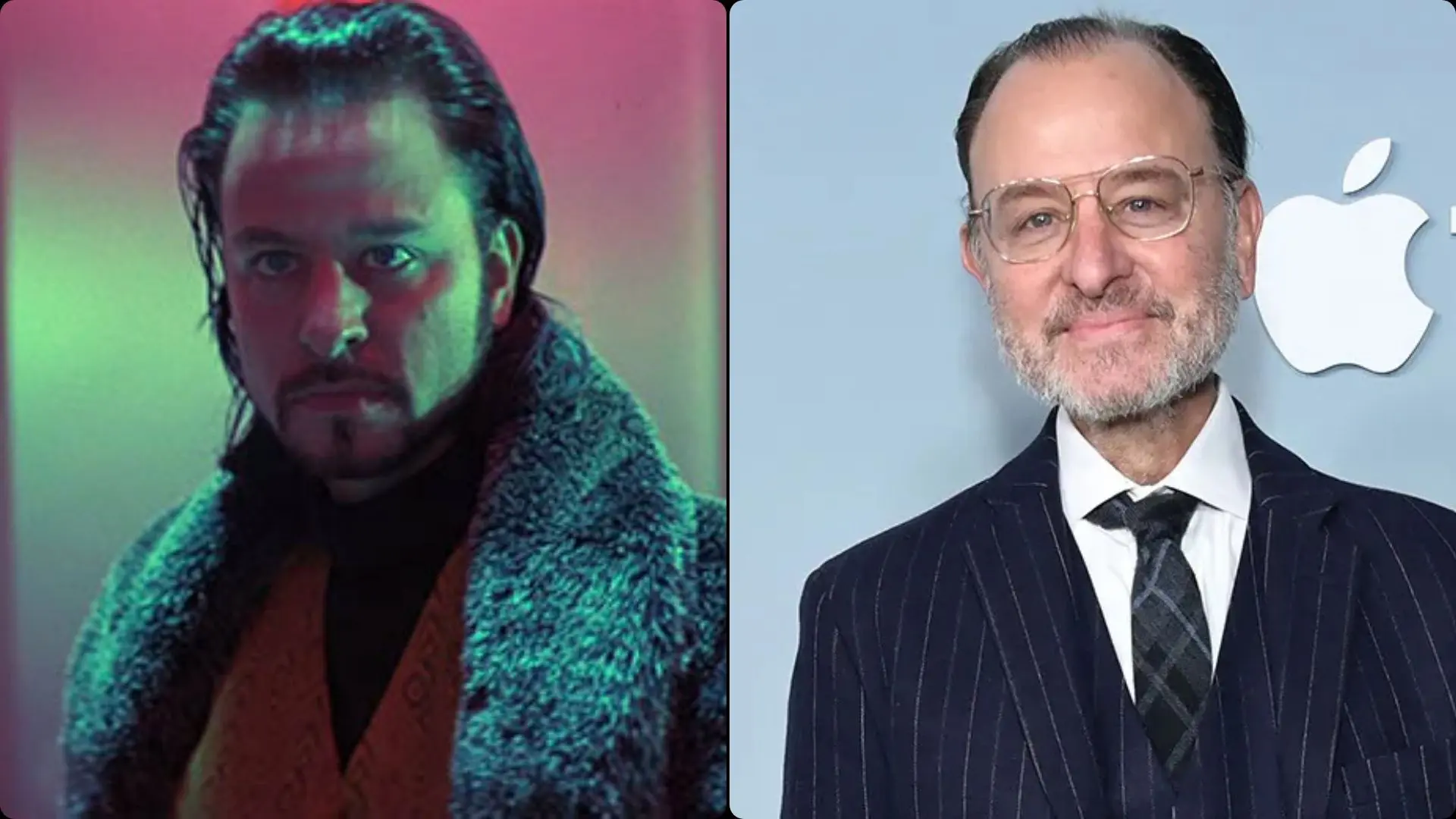
In 1995, Fisher Stevens was best known as the goofy scientist from Short Circuit.
Casting him as the sleek corporate villain of Hackers felt like typecasting turned inside out. The Plague was smug, weaponised, and allergic to accountability — a perfect villain for a generation learning to distrust systems.
Then Stevens disappeared.
Not from work — from acting as his primary identity.
Behind the camera, he found his real voice. In 2010, Stevens won the Academy Award for Best Documentary Feature for The Cove, a brutal exposé of dolphin hunting that shocked audiences worldwide. He followed it with environmental projects including Before the Flood, collaborating with Leonardo DiCaprio.
When he returned to acting, it was selective and sharp. His appearances in Succession as Hugo Baker earned him a SAG Award as part of the ensemble — a reminder that his instincts hadn’t dulled.
From hacker villain to Oscar winner.
Nobody saw that coming.
Lorraine Bracco — Margo Wallace
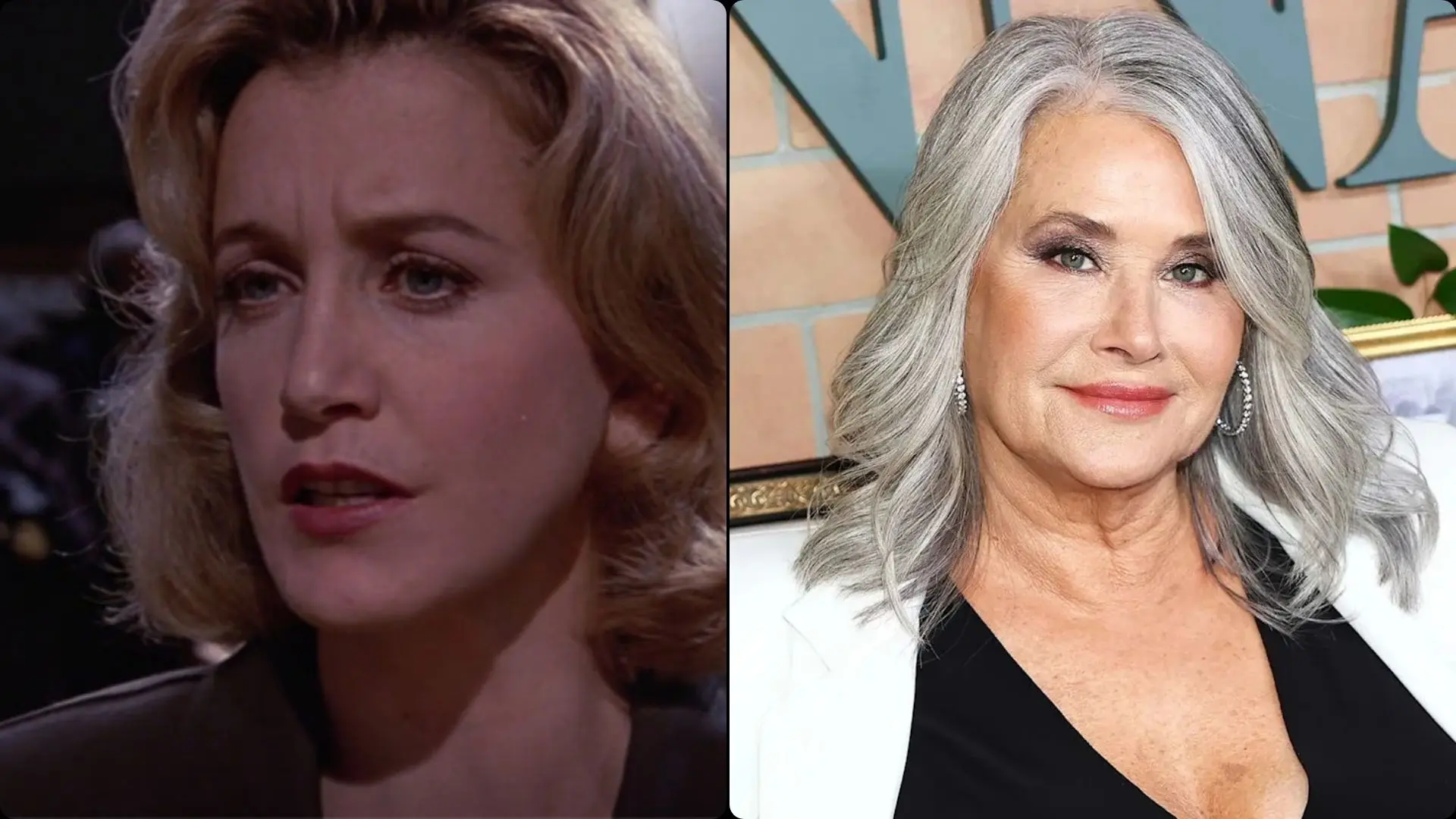
By the time Lorraine Bracco appeared in Hackers, she already carried weight.
An Academy Award nomination for Goodfellas (1990) does that. Her role as Dade’s probation officer was small but grounded — the adult reality pushing against adolescent rebellion.
Behind the scenes, Bracco was rebuilding. Personal struggles. Career uncertainty. She turned down the role of Carmela Soprano to play Dr Jennifer Melfi instead when The Sopranos launched in 1999.
It was the right call.
Across six seasons, Melfi became television’s conscience — composed, flawed, quietly devastating. The role earned Bracco three Emmy nominations and three Golden Globe nominations, cementing her as a television mainstay.
Later, she anchored Rizzoli & Isles for seven seasons, proving longevity wasn’t an accident.
In Hackers, she represented authority.
In her career, she redefined it.
Wendell Pierce — Agent Richard “Dick” Gill
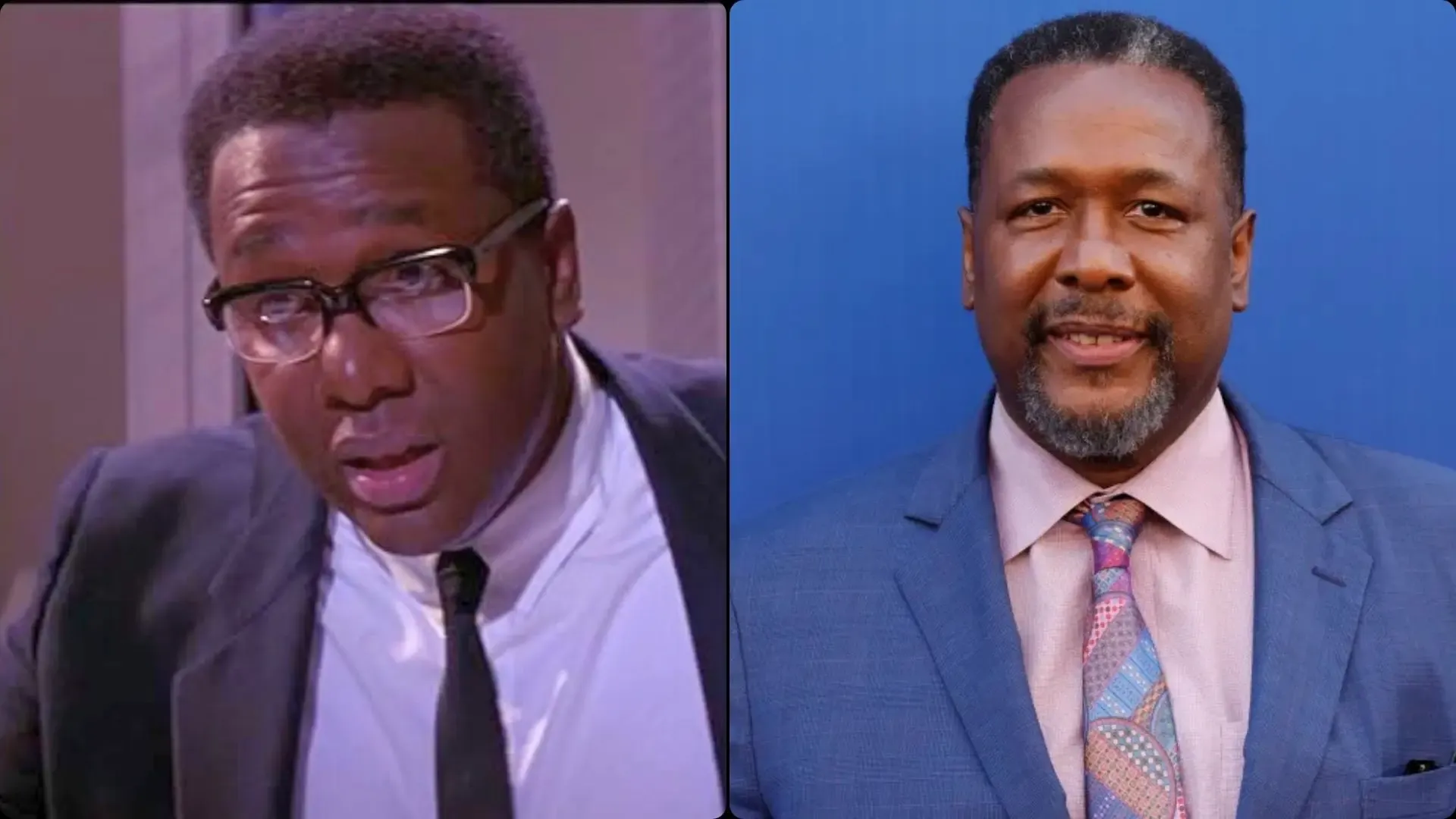
If you blinked, you missed Wendell Pierce in Hackers.
A Secret Service agent. Minimal screen time. No speeches. Just presence.
Pierce, a Juilliard-trained actor from the Class of 1985, was already building a résumé that would eventually make this role a curiosity footnote. In 2002, he became Detective Bunk Moreland on The Wire — a character Pierce once called “the first line of my obituary”.
Eight years of Baltimore realism later, he was a television fixture.
Then came Broadway.
In 2022, Pierce became the first Black actor to play Willy Loman in Death of a Salesman, earning a Tony nomination and rewriting theatrical history in the process. He co-founded Black Theatre United. He kept choosing work that mattered.
From background agent to cultural heavyweight.
That’s the long game.
Jesse Bradford — Joey Pardella
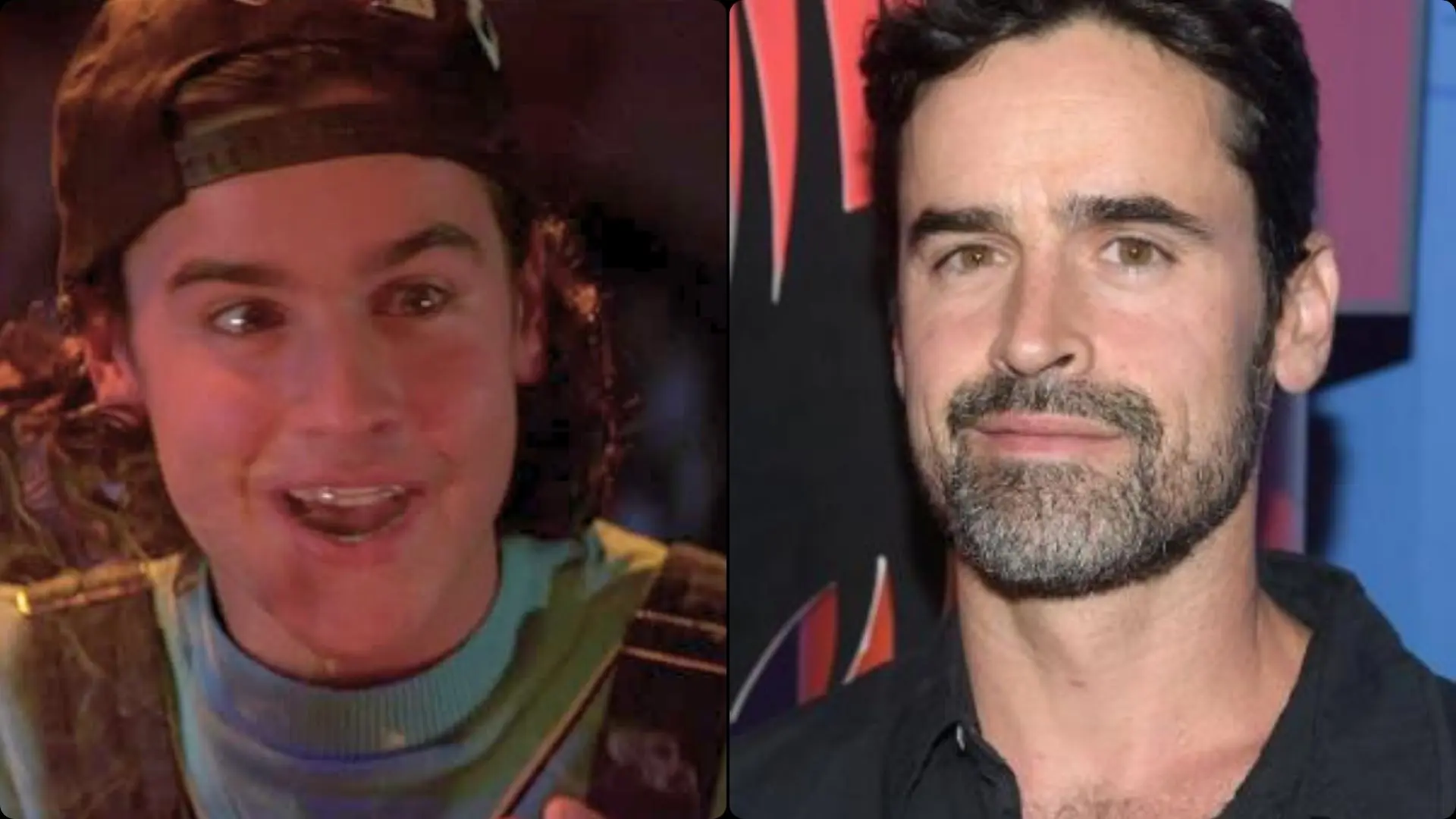
At fifteen, Jesse Bradford was the youngest of the hackers.
Audiences remember Joey as the emotional core — loyal, anxious, the one who paid the highest price when things went wrong. Bradford had been acting since the age of five, even playing Robert De Niro’s son in Falling in Love (1984).
What most people don’t realise: Bradford originally auditioned for Dade.
He asked to play Joey instead.
That instinct followed him. He avoided the teen-idol trap, choosing steady work over stardom. Bring It On, Flags of Our Fathers, long-running television roles — and a degree from Columbia University in film.
His real-life mother even played his on-screen mother in Hackers, grounding the role further.
Bradford didn’t burn out.
He settled in.
Renoly Santiago — Ramón “Phantom Phreak” Sánchez
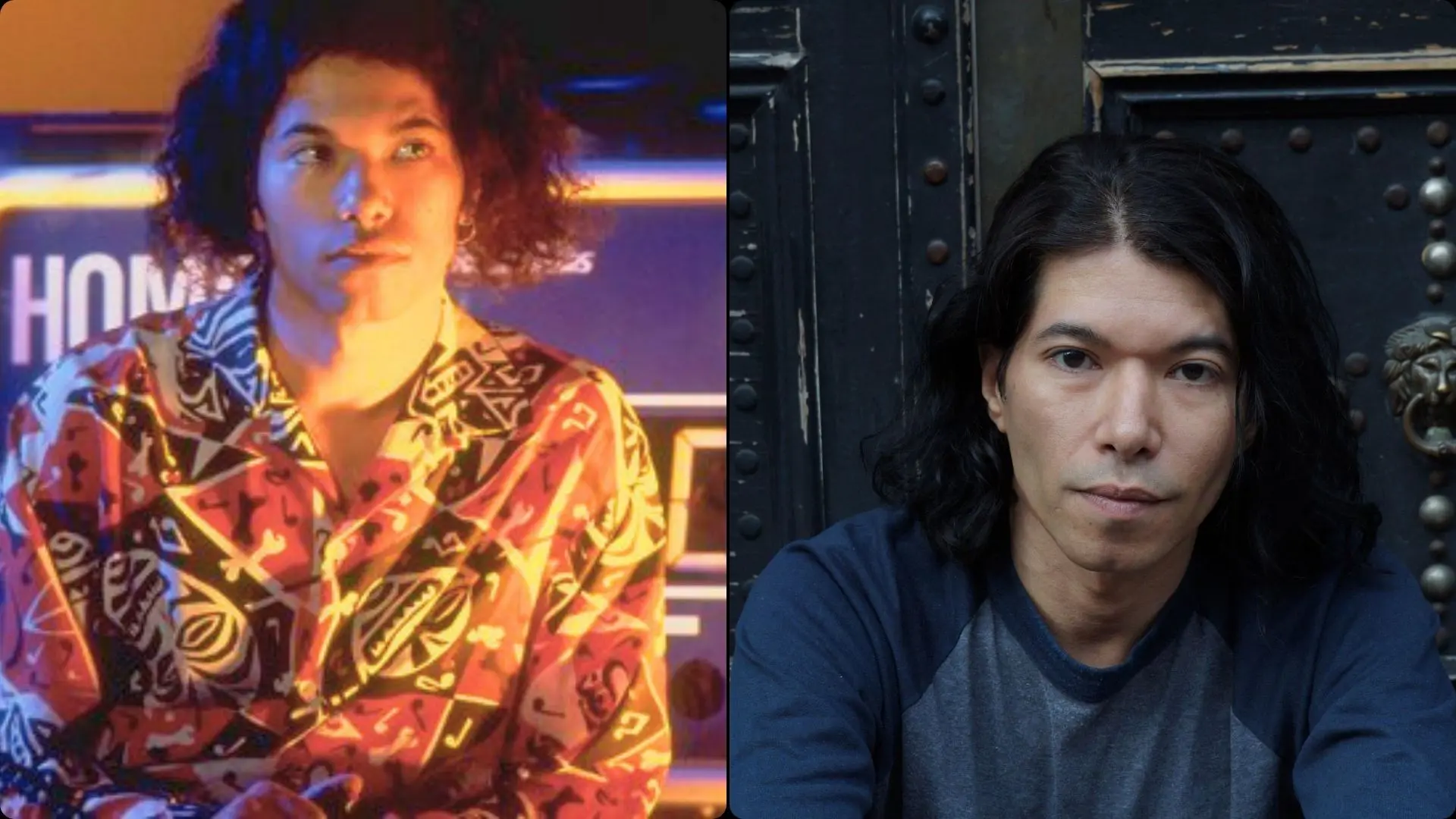
Renoly Santiago knew he needed to stand out.
During callbacks, he reportedly put his feet on Iain Softley’s desk — not arrogance, but strategy. It worked. Phantom Phreak became the film’s emotional spark plug: sarcastic, musical, proudly himself.
Fresh off Dangerous Minds, Santiago used Hackers as a launchpad, not a template. He appeared in Con Air (1997), made his Broadway debut in Paul Simon’s The Capeman, and leaned into music, performance art, and teaching.
He remains deeply connected to the film’s legacy, running Phantom Phreak merchandise, appearing at conventions, and embracing the cult that never faded.
Some careers chase relevance.
Santiago cultivated community.
Laurence Mason — Paul “Lord Nikon” Nolan
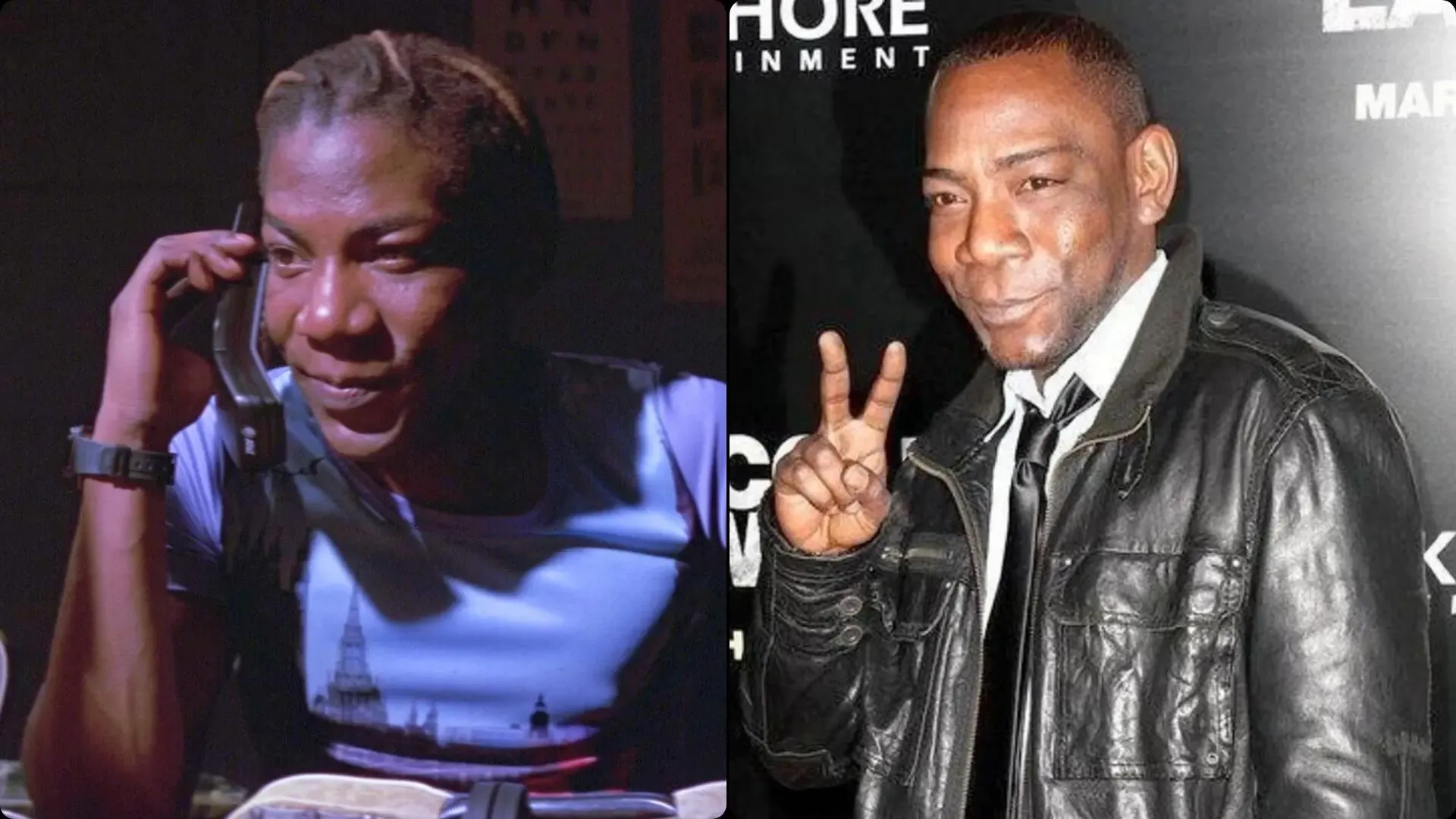
Correction matters here.
Laurence Mason played Paul “Lord Nikon” Nolan — not Cook, not anything else. A detail fans care about, and rightly so.
Fresh off The Crow (1994), Mason brought real New York street energy to Lord Nikon. He felt dangerous in a way the film couldn’t fake.
After Hackers, Mason didn’t disappear — he worked. Relentlessly. Over forty screen credits across three decades, including The Shield, Prison Break, and The Lincoln Lawyer.
His birth year remains disputed across sources, somewhere between 1964 and 1970. It doesn’t matter.
The work speaks.
Alberta Watson — Lauren Murphy
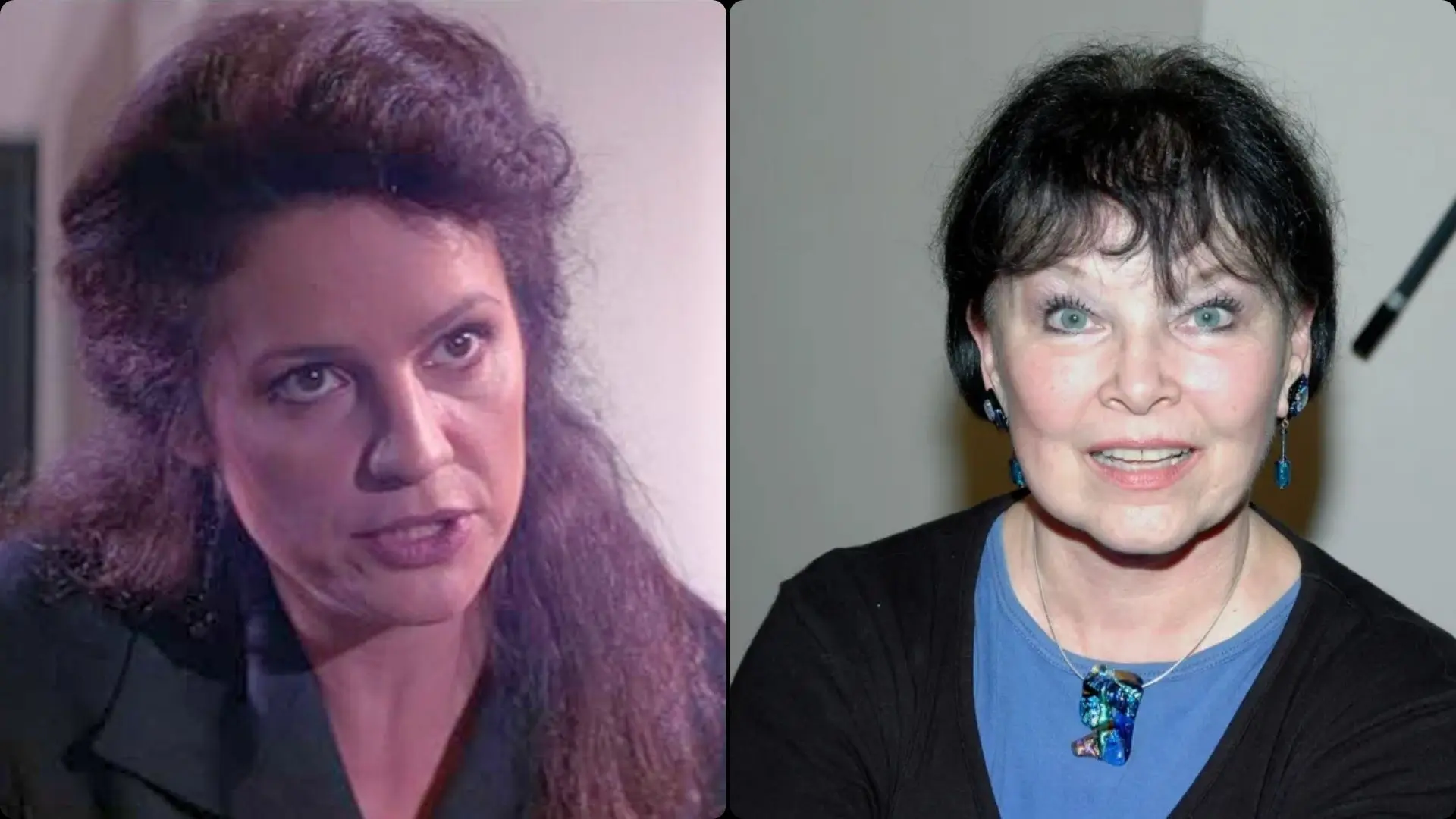
Alberta Watson played Dade’s mother with quiet concern — a parent trying to understand a world that made no sense to her.
A respected Canadian character actress, Watson continued working steadily after Hackers, most memorably as CTU Director Erin Driscoll on 24 and in series like La Femme Nikita.
Born 6 March 1955, Watson's steady presence—on-screen and off—endured until cancer complications claimed her life in 2015 at sixty.
No spectacle. No myth-making.
Just solid work, done well.
Hackers Cast Then and Now: The Legacy 31 Years Later
More than three decades on, it refuses to go away!
Hackers earned just $7.56 million at the box office. No sequels. No franchise. No redemption arc in theatres.
And yet.
An Oscar-winning documentarian. An Academy Award–winning actor turned humanitarian and UNHCR Special Envoy. A Sherlock Holmes. A Shaggy Rogers. A Wire legend. A Broadway history-maker.
Director Iain Softley has confirmed that a sequel or reboot has been “actively considered” since at least 2020. Matthew Lillard reiterated in 2023 that conversations were ongoing. Nothing has materialised — and maybe that’s fine.
Because the real legacy isn’t another film.
It’s the contrast.
A neon-soaked cyberpunk fantasy that barely survived opening weekend, launching careers that reshaped cinema, television, theatre, activism, and culture in ways nobody in 1995 could have predicted.
Somewhere, someone is still typing “Hack the Planet”.
And smiling.