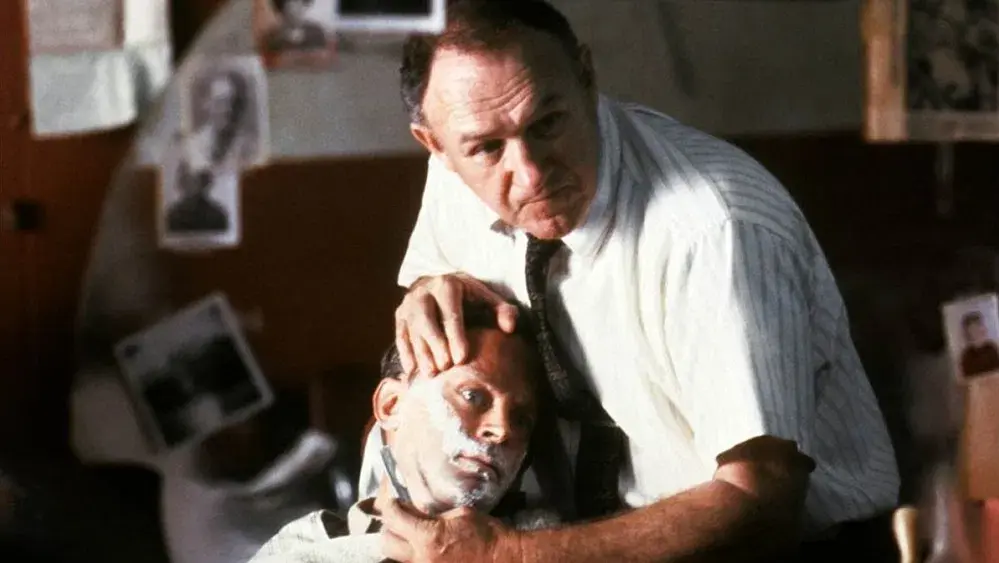
In 1988, Mississippi Burning arrived as both prestige Oscar drama and cultural firestorm. Directed by Alan Parker, the film told the story of two FBI agents investigating the real-life murders of three civil rights workers in Mississippi — and immediately drew an NAACP boycott for centring white saviours over the Black community that suffered most.
Gene Hackman died on 18 February 2025, aged 95. His wife Betsy Arakawa had died six days earlier from hantavirus. Hackman was living with Alzheimer's disease — he likely never knew she was gone. The double tragedy, confirmed in February 2025, closed one of Hollywood's great careers and brought renewed attention to a cast that includes Oscar legends, cult icons and, in one case, Superman's father.
Nearly four decades on, the Mississippi Burning cast then and now story carries fresh weight. Some have reshaped entire genres. Others have quietly vanished from the spotlight. A few are gone entirely. Here is where they all stand in 2026.
Gene Hackman — Rupert Anderson
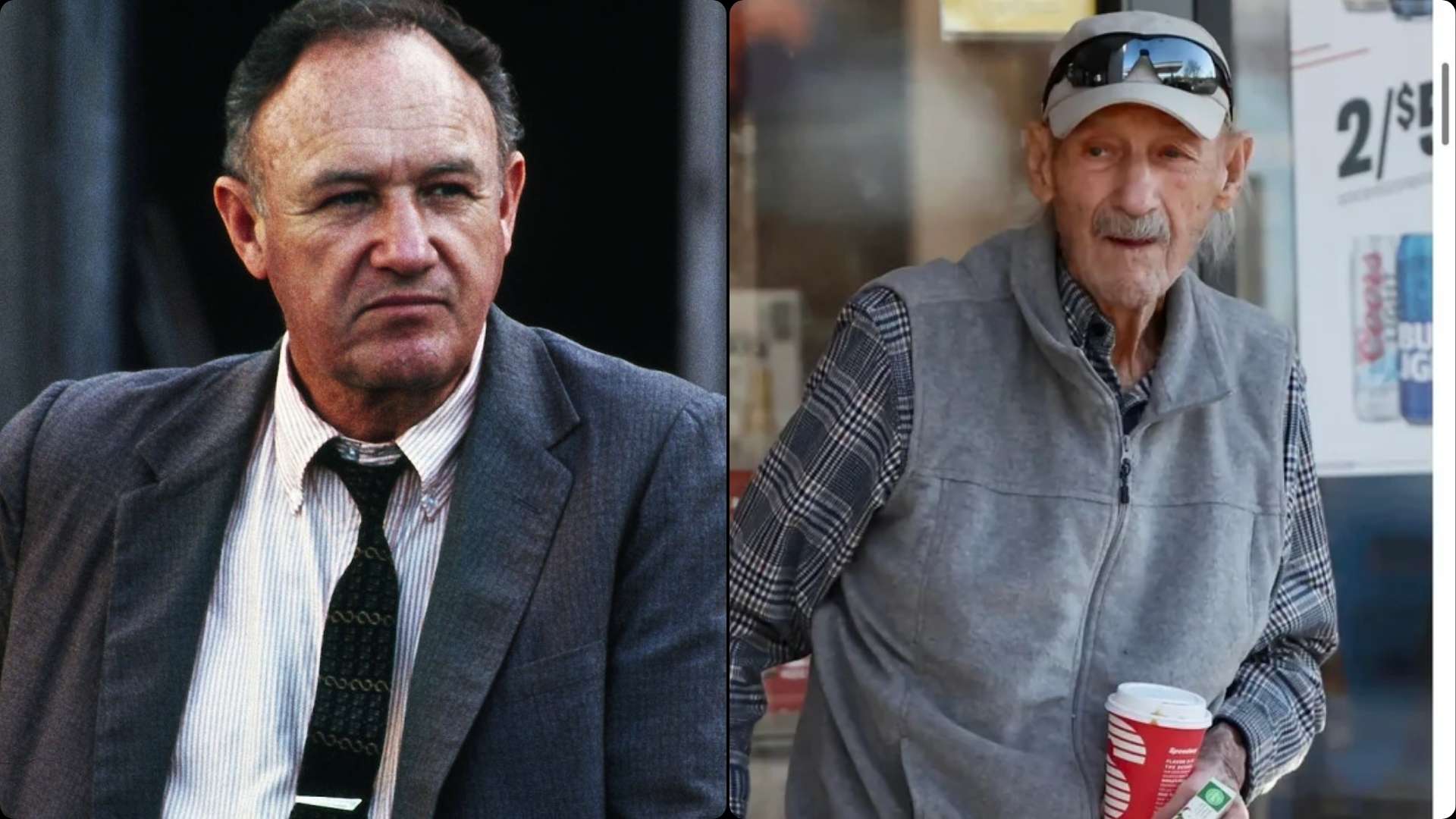
Gene Hackman died on 18 February 2025, aged 95. His wife Betsy Arakawa had died six days earlier from hantavirus. Hackman was living with Alzheimer's disease — he likely never knew she was gone.
The double tragedy closed one of Hollywood's great careers.
In 1988, Hackman was already a two-time Oscar winner. He had announced himself with raw, ruthless energy in The French Connection and later carved granite out of silence in Unforgiven. In Mississippi Burning, he brought menace, charm and moral ambiguity to Rupert Anderson — a man willing to bend rules in pursuit of justice.
Frances McDormand, who played his on-screen wife, later spoke about the experience of sharing scenes with him. She described Hackman as an actor who made everything feel immediate — the kind of presence that pulled everyone around him into the moment. That quality defined his career.
By the time he retired after Welcome to Mooseport in 2004, the silence felt deliberate. No farewell tour. No press circuit. He simply stopped. He later retreated to Santa Fe, New Mexico, where he lived quietly with Arakawa until both died in the same week.
A quiet home in Santa Fe. February 2025. It closed an era.
Willem Dafoe — Agent Ward: Then and Now
Status: Active — major film releases in 2025 and ongoing international theatre leadership.
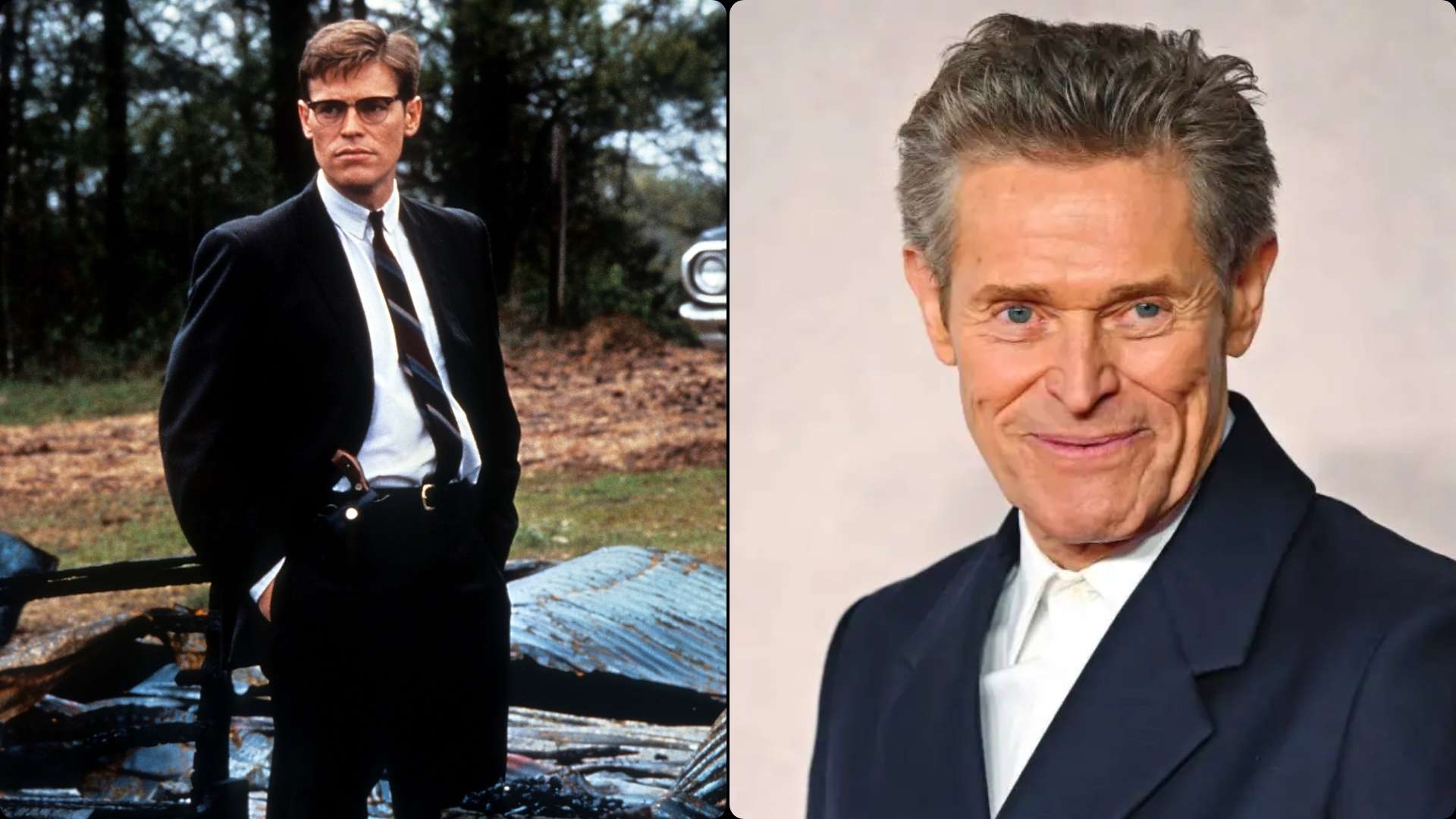
There is no version of Willem Dafoe that sits still.
In Mississippi Burning, he played Agent Ward, the younger, idealistic counterweight to Hackman's weathered pragmatism. That tension powered the film. Dafoe was 32 at the time, already carrying the weight of Platoon on his résumé.
Born 22 July 1955, Dafoe is 70 as of February 2026 — and still relentlessly productive. From Shadow of the Vampire to arthouse intensity in At Eternity's Gate, from terrifying Green Goblin theatrics in the Spider-Man universe to Wes Anderson's The Phoenician Scheme in 2025, he has balanced danger and delicacy across four decades.
That range is the point. Dafoe does not repeat himself.
In 2025 he also appeared in The Legend of Ochi, and he continues to serve in a leadership role within the Venice Biennale Theatre Department into 2026 — an unexpected chapter for a Hollywood actor. Four Oscar nominations later, he remains one of cinema's most adventurous presences.
Frances McDormand — Mrs. Pell
Status: Active — selective projects, enduring critical dominance.
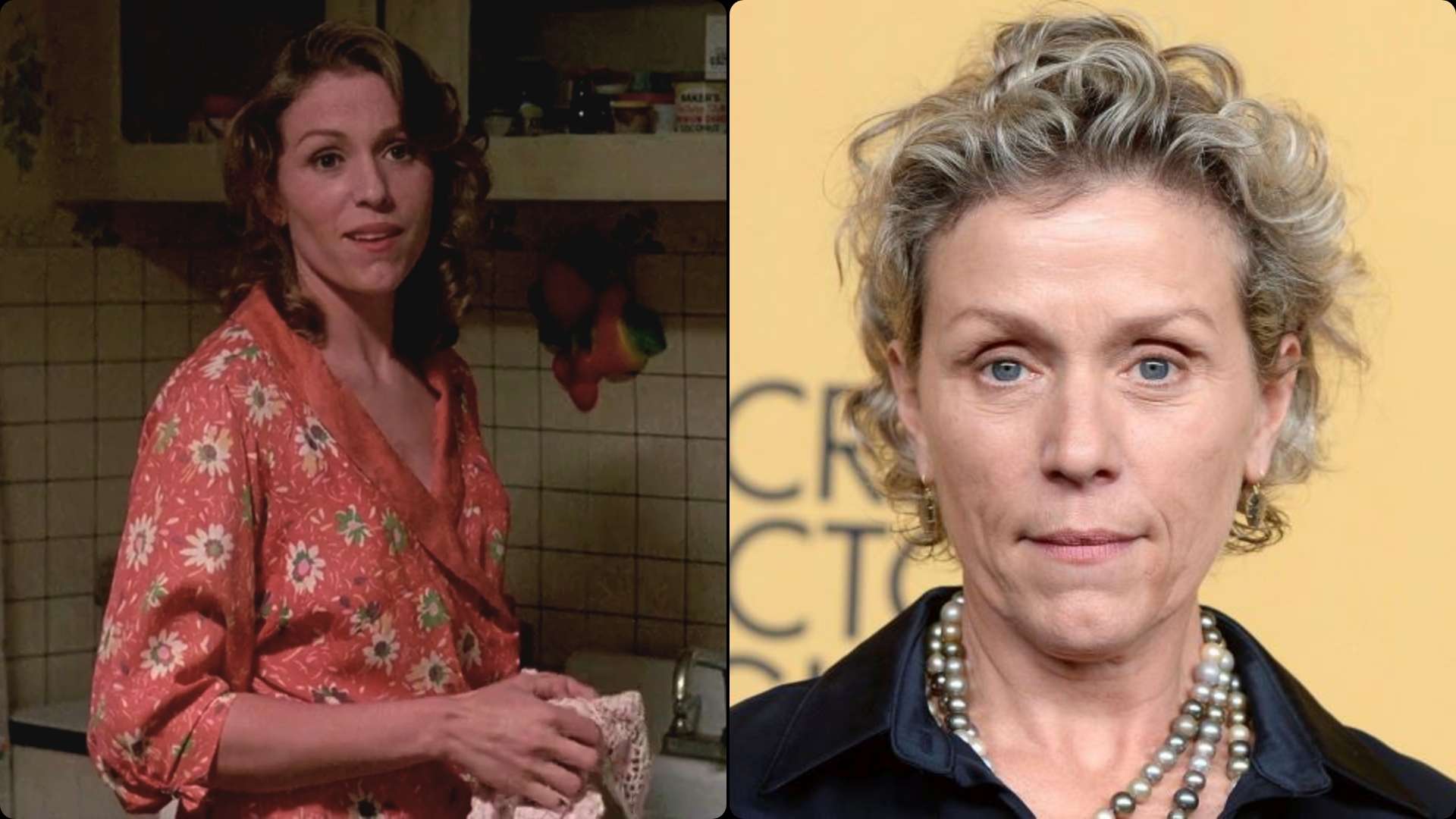
Few watching Mississippi Burning in 1988 could have predicted what followed for Frances McDormand. She played Mrs. Pell — a frightened Southern wife trapped in a violent culture. Quiet. Boxed in. The kind of role that gets polite reviews and no awards conversation.
Born 23 June 1957, McDormand is 68 in 2026. She now holds three Academy Awards: Fargo, Three Billboards Outside Ebbing, Missouri and Nomadland. Total authority.
Her reflection on working with Hackman still resonates.
"I just listened to him. The minute we got on set, everything was available."
Mrs. Pell felt small. McDormand's later career feels vast. She chooses projects carefully, rarely misses, and has become one of the most respected actors of her generation — a standing that the frightened wife in Mississippi Burning quietly foreshadowed.
 Richard Wells
Brad Dourif — Deputy Clinton Pell
Status: Semi-retired — guest cameo in 2025's The Pitt alongside daughter Fiona Dourif.
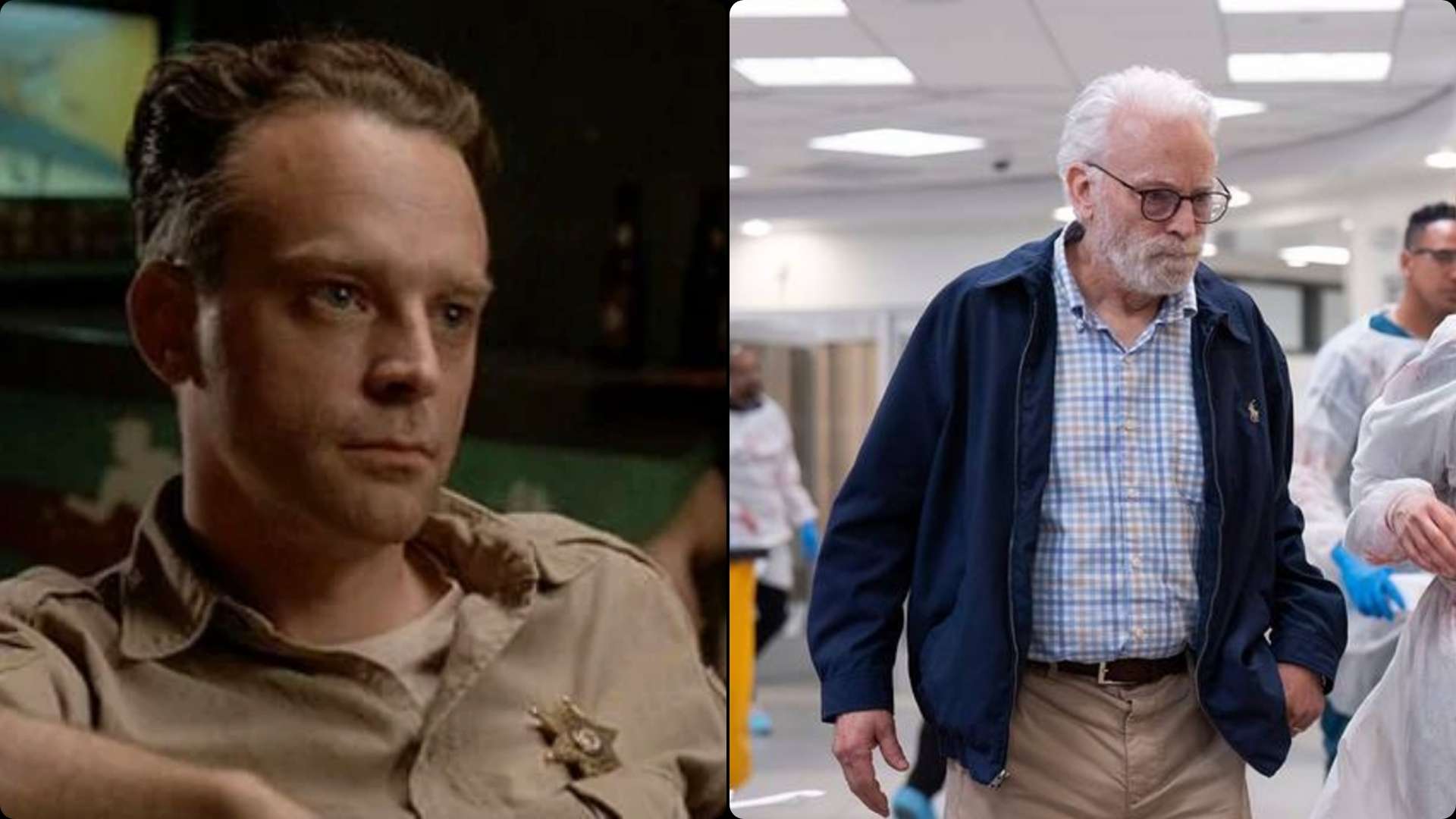
Born 18 March 1950, Brad Dourif is 75 as of February 2026. In April 2024, he announced his retirement from acting, with one exception: anything involving Chucky.
He made another exception anyway.
Long before horror fans knew him as the voice of Chucky in the Child's Play franchise, Dourif was an Oscar nominee for One Flew Over the Cuckoo's Nest. In Mississippi Burning, he embodied twitchy, dangerous cruelty as Deputy Pell — the kind of performance that crawls under your skin and stays there.
In April 2025, he broke his retirement for a guest cameo in The Pitt on Max, playing the father of a character portrayed by his real-life daughter, Fiona Dourif. Father and daughter, playing father and daughter on screen. The moment was brief but it made headlines — and it carried a warmth that caught longtime fans off guard.
A quietly beautiful twist for an actor long associated with darkness.
Michael Rooker — Floyd
Status: Active — voiced Robot 5 in 2025's Superman, played Red St. Wild in Peacemaker Season 2, and appeared in The Righteous Gemstones Season 4 on HBO.
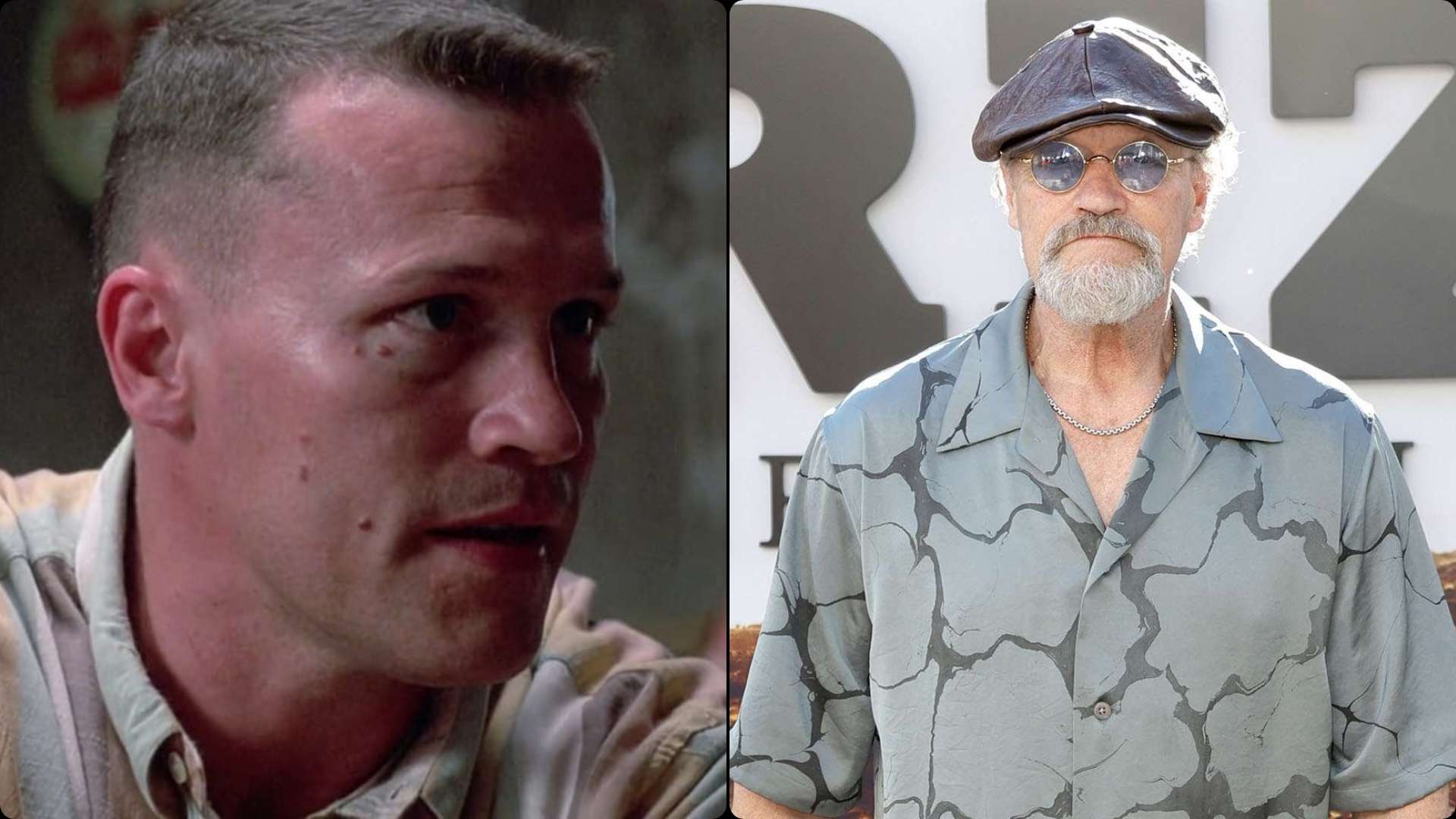
Michael Rooker was already terrifying audiences in Henry: Portrait of a Serial Killer around the same time Mississippi Burning reached cinemas. Born 6 April 1955, he is 70 as of 2026 and still working steadily across film and television.
He built a career out of intensity — Cliffhanger, Slither, dozens of hard-edged roles where the menace felt lived-in rather than performed.
Then came Marvel. As Yondu in Guardians of the Galaxy, Rooker became unexpectedly beloved. The whistling arrow. The blue skin. The emotional sacrifice that left audiences in tears.
Watching Mississippi Burning now, it is striking to see that early volatility. Nobody in 1988 predicted a future space pirate hero. Yet here we are.
See A Young Rooker In Tombstone...
 Richard Wells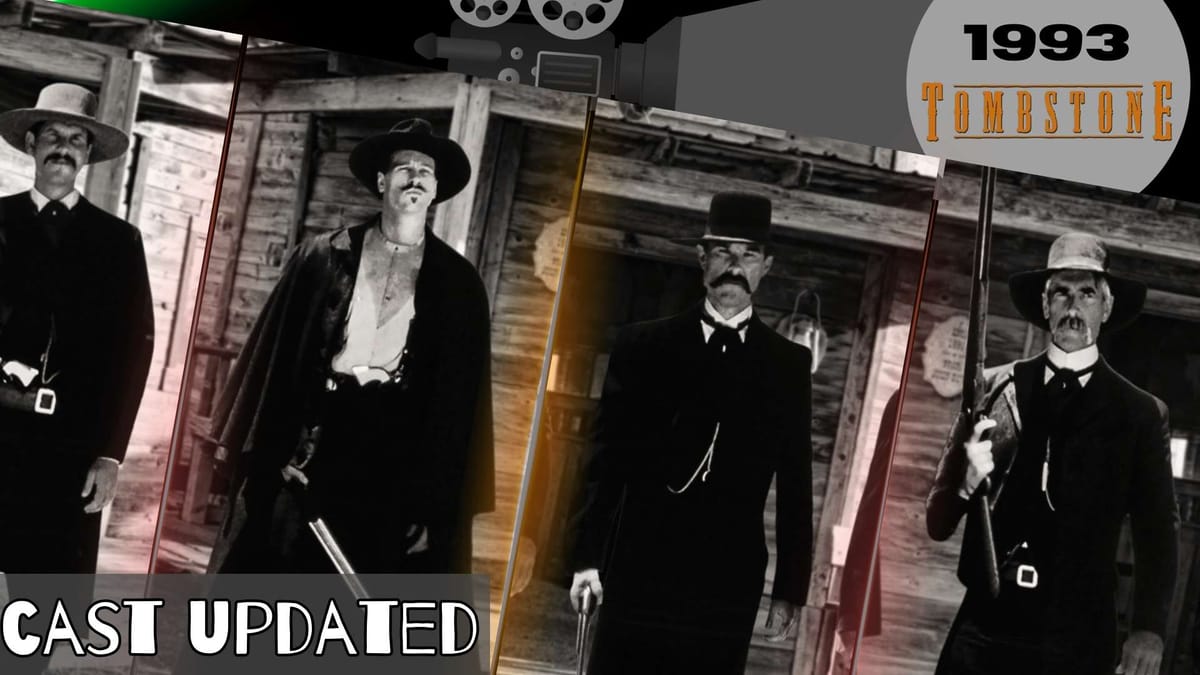
Stephen Tobolowsky — Clayton Townley
Status: Active — prolific screen career continues.
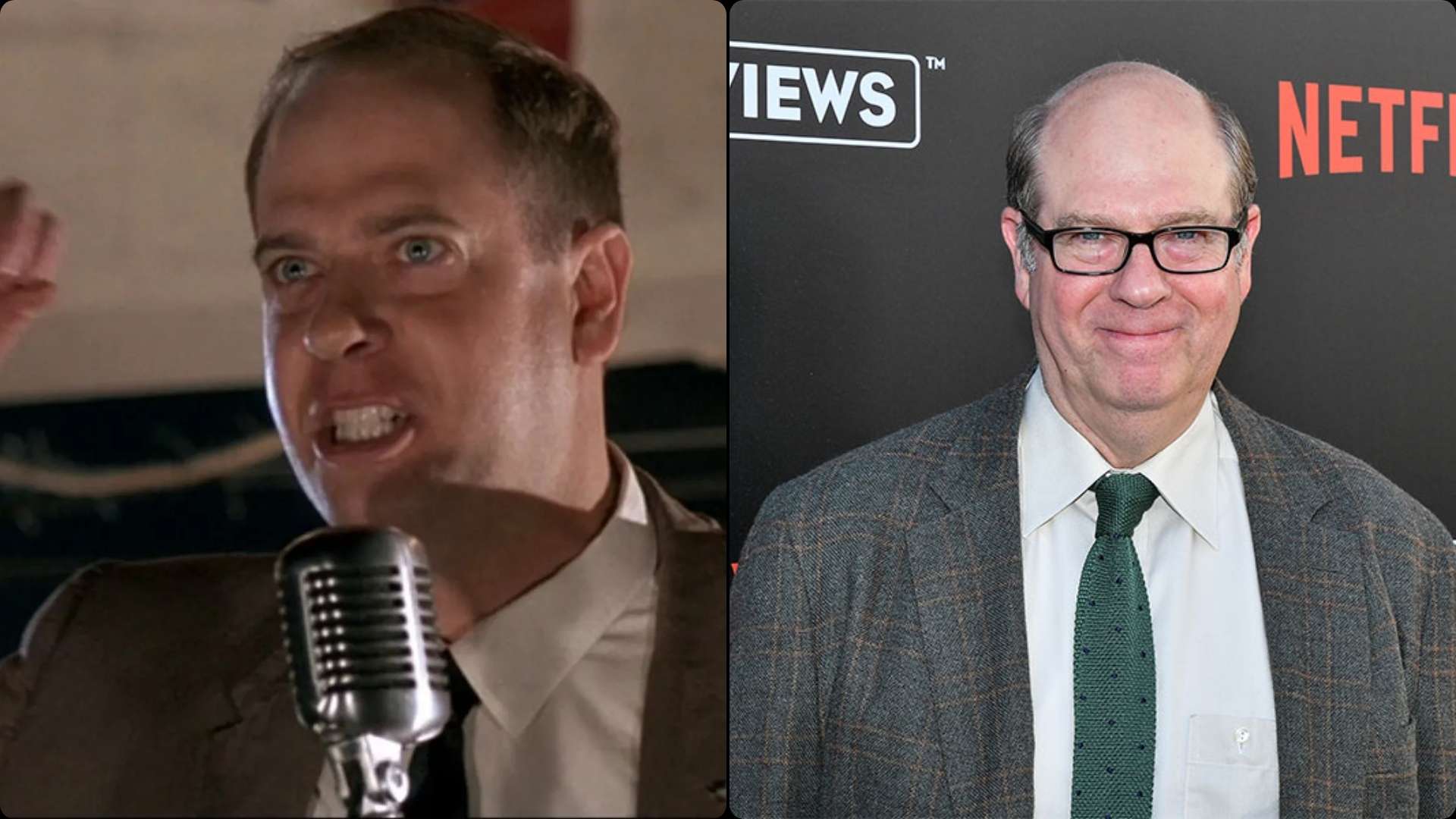
Born 30 May 1951, Stephen Tobolowsky is 74. Most audiences know him as Ned Ryerson from Groundhog Day — the insurance salesman you cannot escape. In Mississippi Burning, he played Klan leader Clayton Townley, and his approach to the role still unsettles.
"I saw him as Abraham Lincoln — I don't see him as a villain. This man is a hero with his agenda."
That insight reframes the performance entirely. Tobolowsky has always understood character from the inside out — finding the logic even in evil. Across decades of film and television, he has amassed one of the most recognisable character-actor careers in modern cinema. He has appeared in over 200 productions, and yet no two performances feel alike.
Read Next
From the Vault
Pruitt Taylor Vince — Lester Cowens
Status: Active — played Jonathan Kent in 2025's Superman, his biggest role in a global franchise after decades of character work.
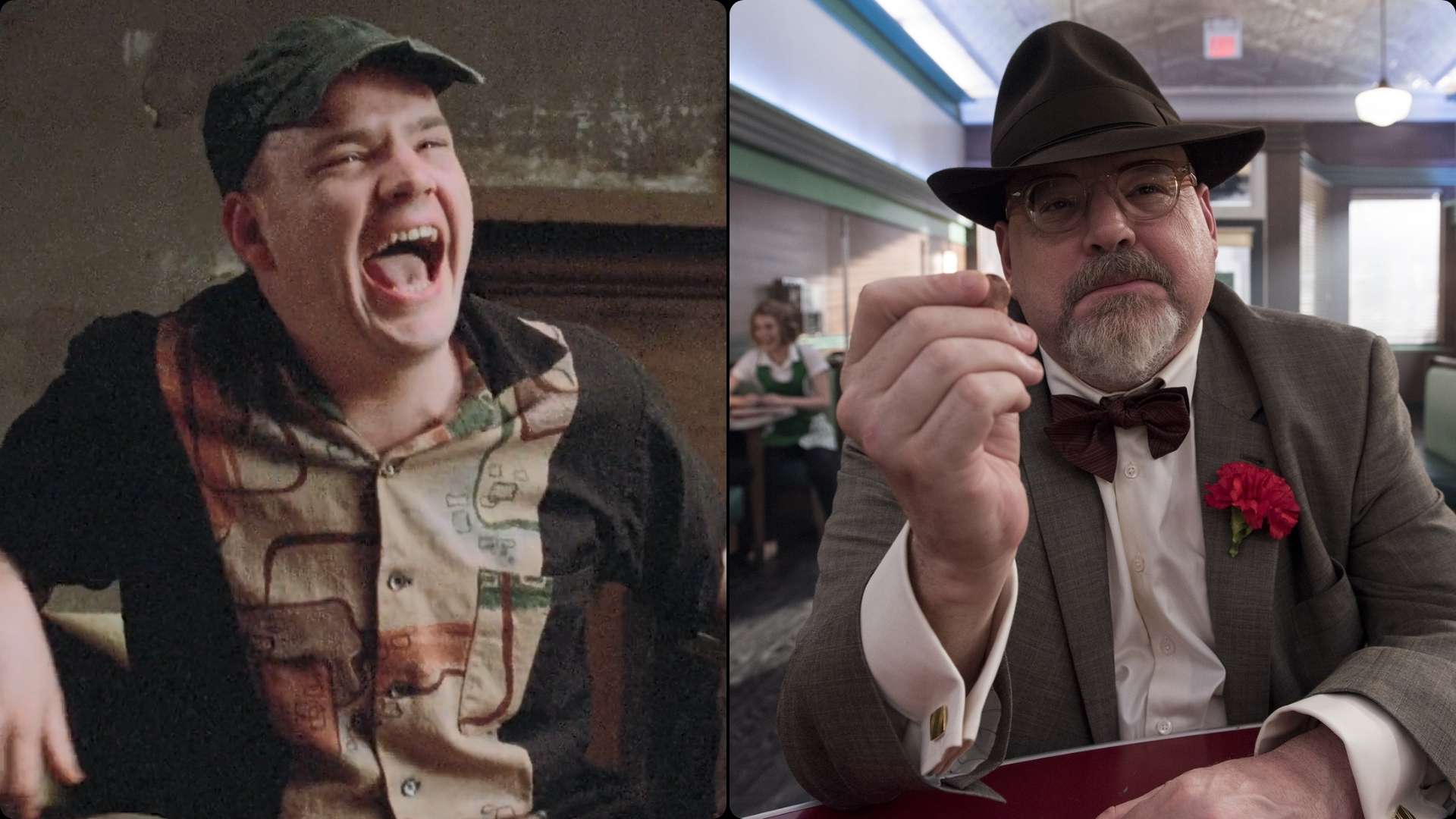
Born 5 July 1960, Pruitt Taylor Vince is 65.
For decades he was Hollywood's dependable background presence — Natural Born Killers, Identity, Constantine. Often in supporting roles. Often overlooked. The kind of actor whose face you recognise instantly but whose name you might struggle to place.
In July 2025, he stepped onto a far bigger stage. Vince played Jonathan Kent — Superman's adoptive father — in James Gunn's Superman, the first film of the rebooted DC Universe. After years of quiet excellence, he finally held a marquee role in a global franchise.
It felt earned.
The Real Story Behind Mississippi Burning
The film is based on the 1964 murders of James Chaney, Andrew Goodman and Michael Schwerner — three civil rights workers killed in Neshoba County, Mississippi, on 21 June 1964 by members of the Ku Klux Klan. Their disappearance prompted a massive FBI investigation known as MIBURN.
Mississippi Burning captures the fear and hostility of that summer. It also takes significant dramatic liberties.
A Film That Still Divides — and Still Matters
When Mississippi Burning premiered, the NAACP organised a boycott. Critics within the Black community argued that the film erased Black agency — that it told a story of Black suffering through white eyes and treated FBI agents as heroes in a region where the Bureau had historically done little to protect Black citizens.
Alan Parker defended his approach as a dramatic necessity. He argued that the film needed mainstream accessibility to reach a wide audience — that fictionalised FBI protagonists were a structural choice, not a historical erasure.
Both positions hold weight. The film is powerful, flawed and complicated — much like the era it depicts. Nearly four decades later, it remains one of the most argued-about civil rights films ever made.
Supporting Cast — Where Are They Now?

R. Lee Ermey, who played Mayor Tilman, died on 15 April 2018 from complications of pneumonia. He was 74. A former Marine staff sergeant who rose to fame as the drill instructor in Full Metal Jacket, Ermey brought blunt, unfiltered authority to every role he touched. He was buried with full military honours at Arlington National Cemetery.
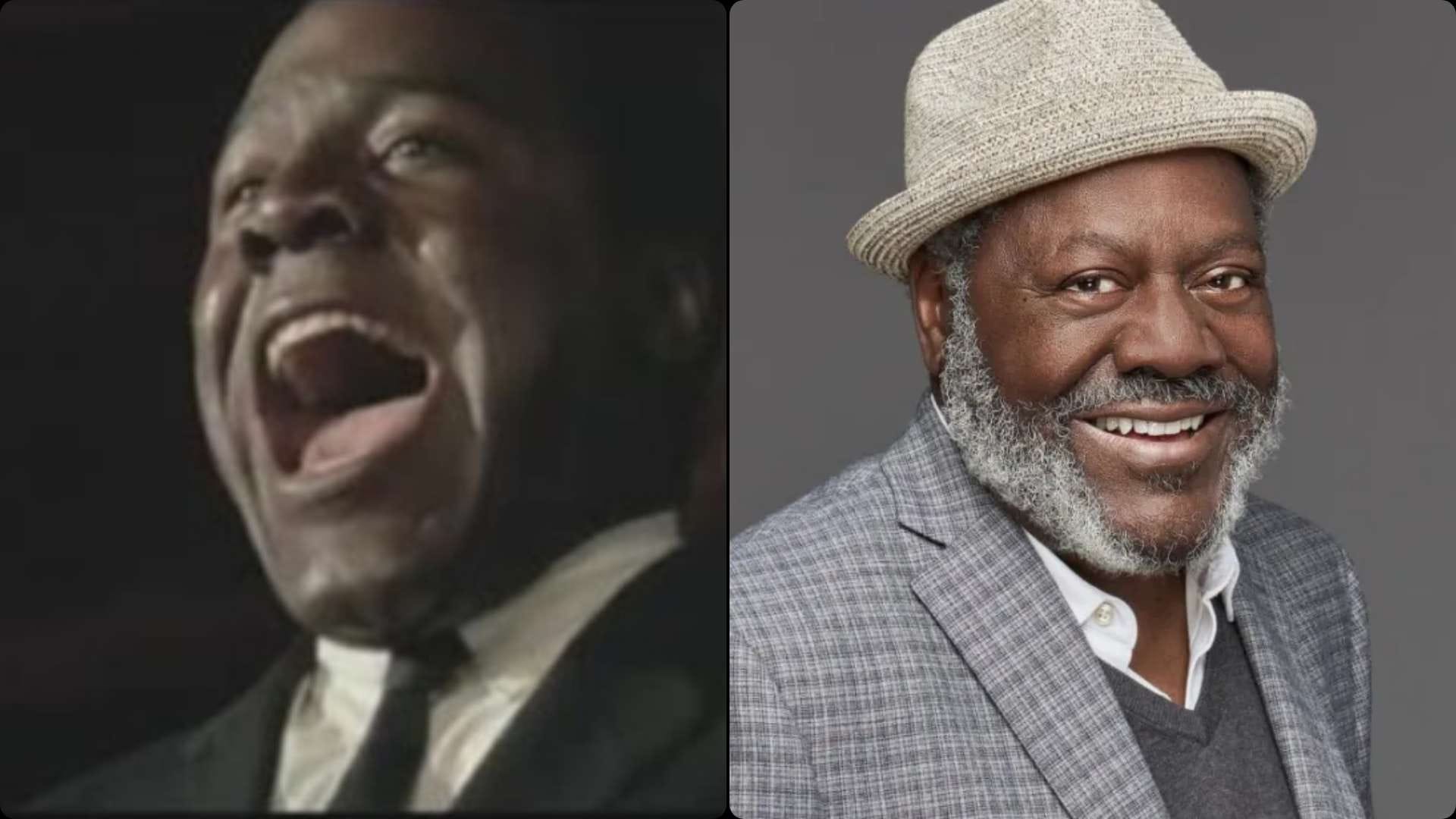
Frankie Faison played the Eulogist — a preacher delivering a raw, furious sermon at James Chaney's funeral. It is arguably the most powerful scene in the entire film, and one of the few moments where a Black character is allowed to speak with full, unfiltered authority. Faison went on to play Deputy Commissioner Burrell across all five seasons of The Wire and holds a rare distinction: the only actor to appear in all four Hannibal Lecter films. Now 76, he stars in the Hallmark+ drama Ripple and has Killing Castro due in 2026.
Kevin Dunn has kept a steady screen presence well into the 2020s — the kind of actor who improves every scene he enters without demanding attention for it. From the Transformers franchise to Veep, his work rate never slowed.
Gailard Sartain built a long career across film and television playing eccentric, comic supporting figures. He appeared in The Buddy Holly Story, Fried Green Tomatoes and dozens of smaller roles that benefited from his natural warmth.
Donald Moffat, a distinguished stage and screen performer who played both the president in Clear and Present Danger and the station commander in The Thing, died on 20 December 2018 following a stroke. He was 87.
No one in the Mississippi Burning supporting cast was ornamental. Every face added texture.
Alan Parker — The Director's Legacy
Status: Deceased (August 2020).
Alan Parker died in August 2020, leaving behind a fiercely varied filmography: Bugsy Malone, Midnight Express, Fame, The Commitments, Angel Heart.
With Mississippi Burning, he walked into political fire. He defended the choice to focus on FBI agents as a structural decision — not a historical erasure. Whether one agrees or not, the film bears his signature: muscular, urgent, emotionally direct. Parker never made the same film twice, and he never shied away from controversy.
It remains one of his most debated works. It may also be his most enduring.
Physical Media
Want to revisit the film? Pick up Mississippi Burning on Blu-ray here — Hackman and Dafoe's performances hold up completely.
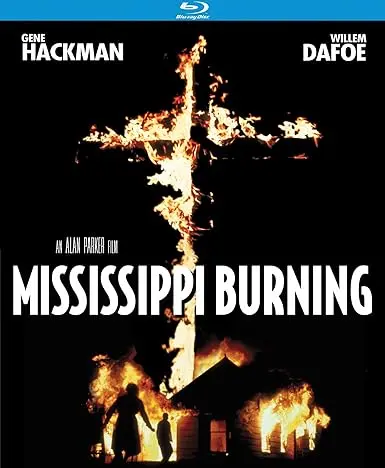
Mississippi Burning (Special Edition) [Blu-ray]
*Affiliate Link - We may earn a commission from your purchase
What Happened to Gene Hackman?
Gene Hackman retired from acting after Welcome to Mooseport in 2004 and withdrew from public life entirely. He lived in Santa Fe, New Mexico, with his second wife Betsy Arakawa. In his later years, Hackman was diagnosed with Alzheimer's disease.
On 12 February 2025, Arakawa died from hantavirus at their Santa Fe home. Six days later, on 18 February, Hackman himself was found dead at the same residence, aged 95. The double tragedy shocked the film world and reignited widespread interest in his extraordinary career — including his Oscar-nominated performance in Mississippi Burning.
Was Mississippi Burning Based on a True Story?
Yes. The film is based on the FBI investigation — codenamed MIBURN — into the murders of James Chaney, Andrew Goodman and Michael Schwerner on 21 June 1964 in Neshoba County, Mississippi. The three young civil rights workers were abducted and killed by members of the Ku Klux Klan with the involvement of local law enforcement.
However, the film takes significant dramatic liberties. The two lead characters, Agents Anderson and Ward, are fictional composites. Key events are compressed, invented or reframed. The Black community — which bore the worst of the violence and led much of the actual resistance — is largely pushed to the margins of the narrative.
Why Was Mississippi Burning Controversial?
The controversy centred on representation. The NAACP organised a boycott of the film, arguing that it sidelined Black characters and elevated white FBI agents as heroes in a story fundamentally about Black suffering and courage.
Critics also took issue with the film's historical accuracy. Several scenes — including a romantic subplot between Agent Anderson and a Klansman's wife — were entirely invented. The real investigation relied on a paid FBI informant rather than personal charm or intimidation.
Director Alan Parker maintained that the film was a drama, not a documentary, and that fictionalised protagonists were necessary to make the story accessible to mainstream audiences. The debate has persisted for nearly four decades and shows no sign of resolution.
Mississippi Burning Cast Then and Now — Does It Hold Up?
The Mississippi Burning cast then and now story is not just about careers. It is about time.
In 1988, the film divided critics and communities. In 2026, its cast is scattered across generations. One of its towering leads is gone under circumstances that feel painfully human. Others continue to redefine themselves — in Marvel films, DC blockbusters, Wes Anderson comedies and Max hospital dramas.
The film asked hard questions about justice and power. Watching it now, knowing what happened to the people on screen and the real names behind the story, the questions linger.
Gene Hackman in 1988: commanding, alive, filling the frame. A quiet home in Santa Fe in February 2025.
The years have answered some things. Not all.
Article Updated 23/02/2026