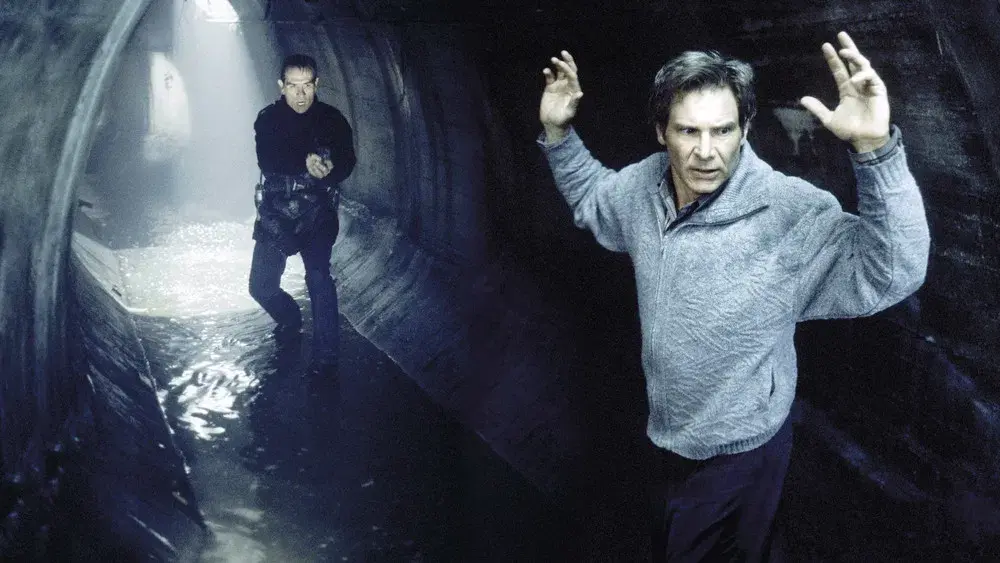
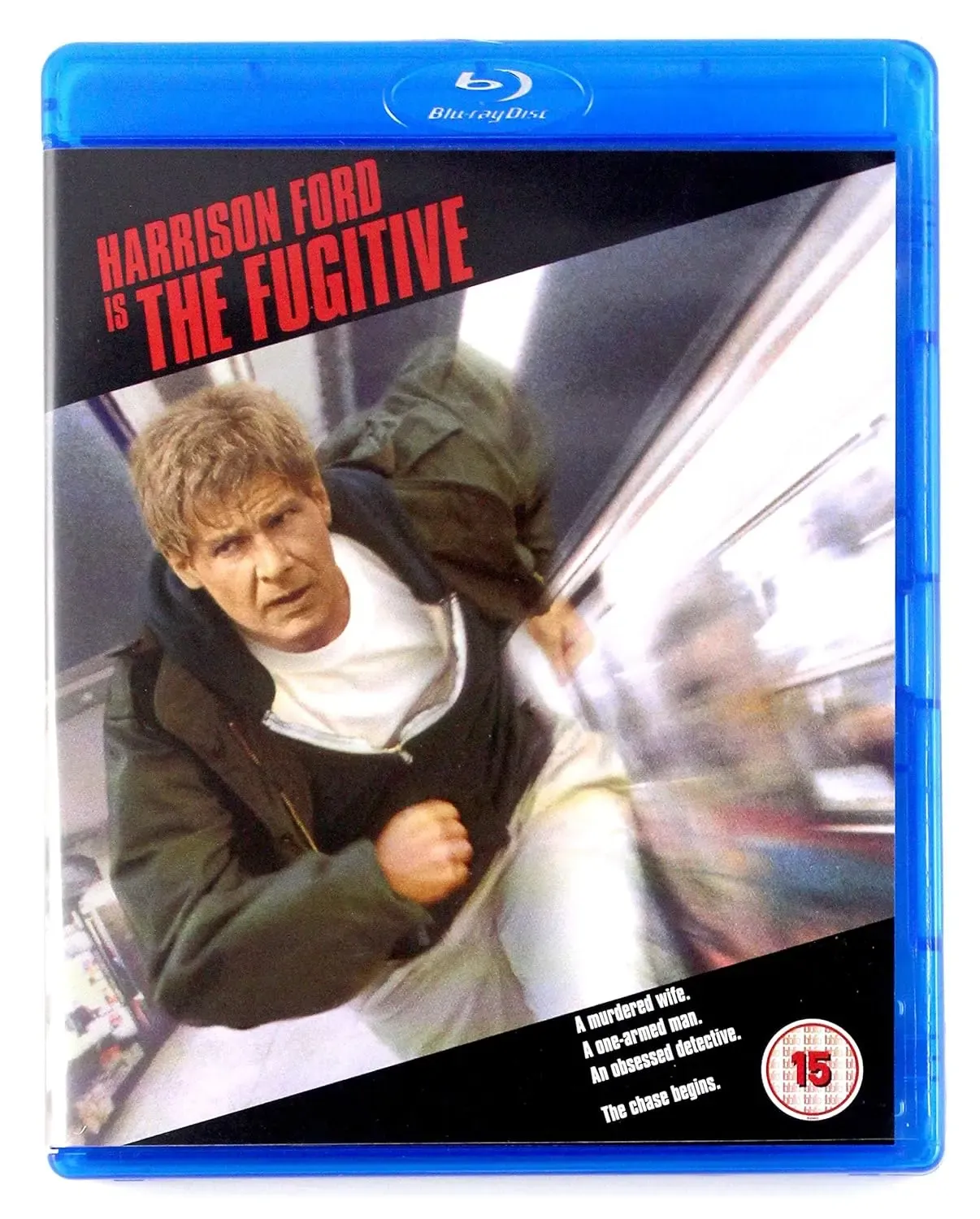
It has been 33 years since The Fugitive sprinted into cinemas on 6 August 1993, turning a creaking 1960s television serial into one of the defining thrillers of the decade. The film spent six weeks at number one. It earned seven Academy Award nominations — a rare feat for an action movie. And it burned certain images permanently into the culture: a train tearing itself apart in the dark, a desperate man hurling himself from a dam. But in 2026, where is the Fugitive cast then and now — and what became of the people behind those images?
The cast has scattered in every direction since. Harrison Ford is still fronting major franchises at 83, including the MCU. Tommy Lee Jones has stepped back from Hollywood amid personal tragedy. Julianne Moore went from a near-invisible supporting role to winning the Academy Award for Best Actress. Joe Pantoliano survived a life-threatening accident and earned a 2025 Emmy nomination. And the actor who played the One-Armed Man never lived to see his sixtieth birthday.
One cast member never won a major acting award despite seven decades of work. Another sold her home to Jennifer Lopez for $28 million. A third earned an Emmy nod for a single scene in one of 2025’s biggest shows. Here is where every key player ended up.
Cast & Where They Are Now
Status Update
The Fugitive Cast Then & Now: 33 Years Later
Harrison Ford — Dr. Richard Kimble
He was already the biggest movie star on the planet. He had saved the galaxy as Han Solo and cracked the whip as Indiana Jones. But Dr. Richard Kimble demanded something Harrison Ford had rarely shown audiences: vulnerability. This wasn’t an invincible adventurer — it was a tired, desperate man fighting a system designed to crush him. Director Andrew Davis would later describe it as one of Ford’s finest performances, and critics agreed. Ford carried the film’s emotional weight while throwing himself into stunts that would have given a stuntman pause.
Ford was 50 for most of the shoot — filming ran from February to May 1993, and he turned 51 that July. His commitment to the role was total. He reportedly tore ligaments in his leg during the train wreck sequence but postponed surgery to preserve Kimble’s exhausted limp throughout the rest of production. That kind of dedication bled into every frame.
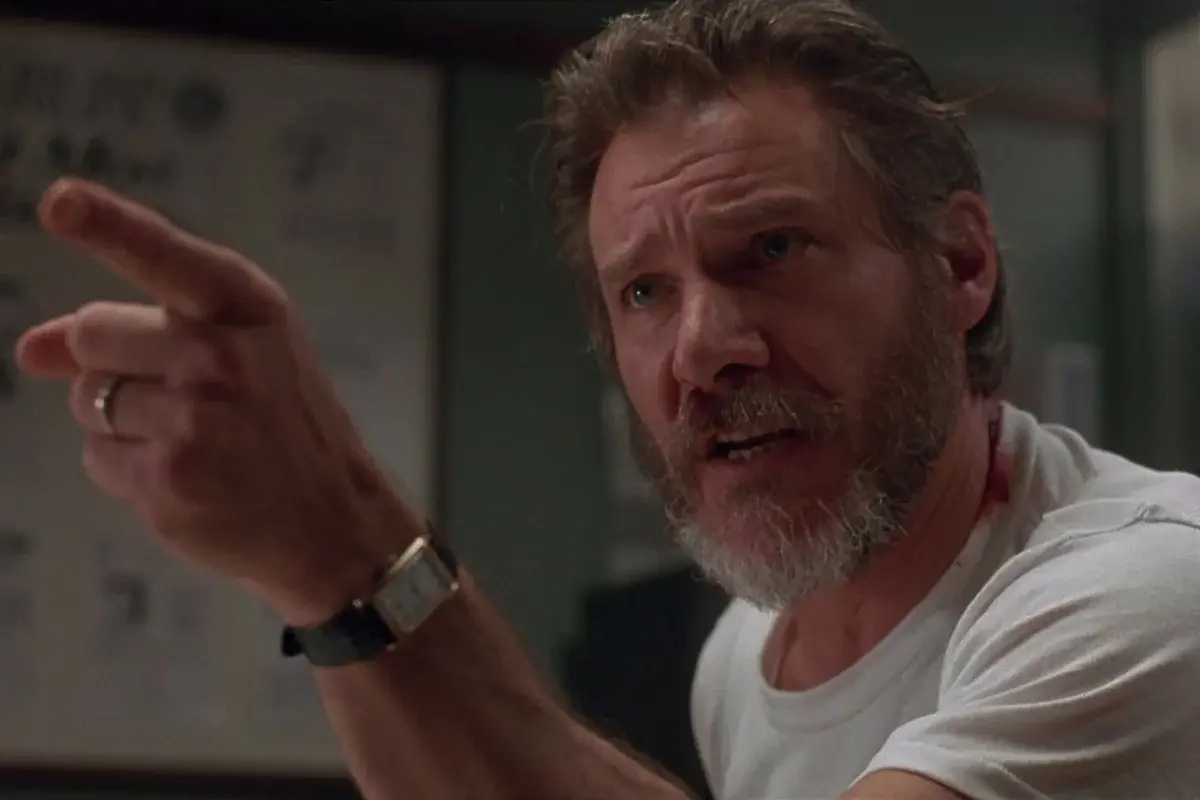
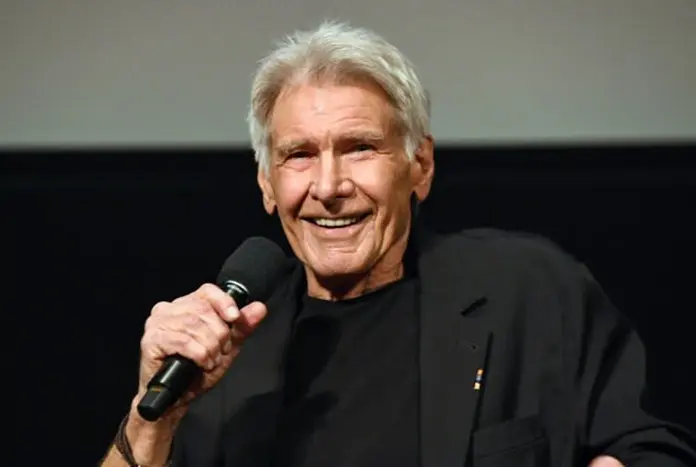
Since hanging up Kimble’s beard, Ford has refused to slow down. He returned to Han Solo and Indiana Jones for franchise farewells in The Force Awakens (2015) and Indiana Jones and the Dial of Destiny (2023). Then, in a move few predicted, he joined the Marvel Cinematic Universe as Thaddeus “Thunderbolt” Ross in Captain America: Brave New World (2025), stepping into the role following William Hurt’s passing. He also earned strong notices for the Western drama 1923 and the Apple TV+ comedy-drama Shrinking, proving range that the old action-hero label never quite captured.
In his eighties, Ford remains one of Hollywood’s most actively working leading men. Not bad for a former carpenter from Chicago.
Tommy Lee Jones — Deputy Samuel Gerard
If Ford was the heart of The Fugitive, Tommy Lee Jones was its adrenaline shot. As Deputy U.S. Marshal Samuel Gerard, Jones delivered a performance so magnetic it won him the Academy Award for Best Supporting Actor. The role transformed him from a respected character actor into a genuine star, leading to iconic turns in Men in Black and No Country for Old Men.
Jones was 46 at the time and reportedly had reservations about the part. But his chemistry with Ford turned their adversarial dynamic into the film’s engine. Behind the scenes, both actors feared the film might flop — a worry that seems absurd in retrospect.
The years since have been more selective. While Jones reprised Gerard in the 1998 spin-off U.S. Marshals, he gradually moved behind the camera, directing The Homesman (2014) and taking on smaller projects like the Paramount+ thriller Finestkind (2023). He has an upcoming action thriller, The Razor’s Edge, filmed in 2024 alongside James Franco.
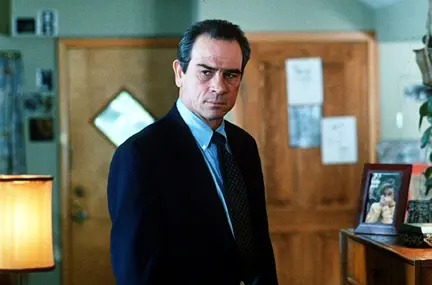
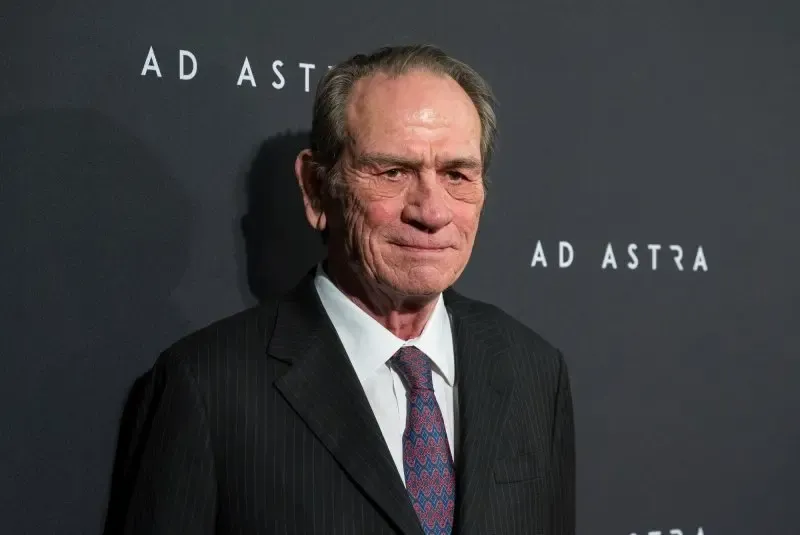
Now 79, Jones has endured a devastating personal blow. His daughter, Victoria Jones, was found dead at a San Francisco hotel on 1 January 2026 at the age of 34. The cause of death has not been publicly confirmed, and authorities have said the investigation remains ongoing. It is an unimaginable tragedy for a fiercely private man who has long preferred his Texas ranch to Hollywood’s spotlight.
Sela Ward — Helen Kimble
The character of Helen Kimble is the film’s ghost — the driving force behind Kimble’s desperate run, even though she appears only in fragments. Sela Ward, then 37, had the difficult task of making a brief presence resonate across an entire feature. She succeeded. Primarily known for her television work on Sisters, Ward brought a grounded elegance to the doomed wife that made the flashback murder scenes genuinely shocking.
Ward’s career after The Fugitive proved her range. She won two Emmy Awards — for Sisters and Once and Again — and took memorable film roles in The Day After Tomorrow (2004) and Gone Girl (2014), where she played a character worlds away from the saintly Helen Kimble. Fans of HBO’s Westworld saw her deliver a devastating turn as Juliet Wright in the show’s second season (2018).
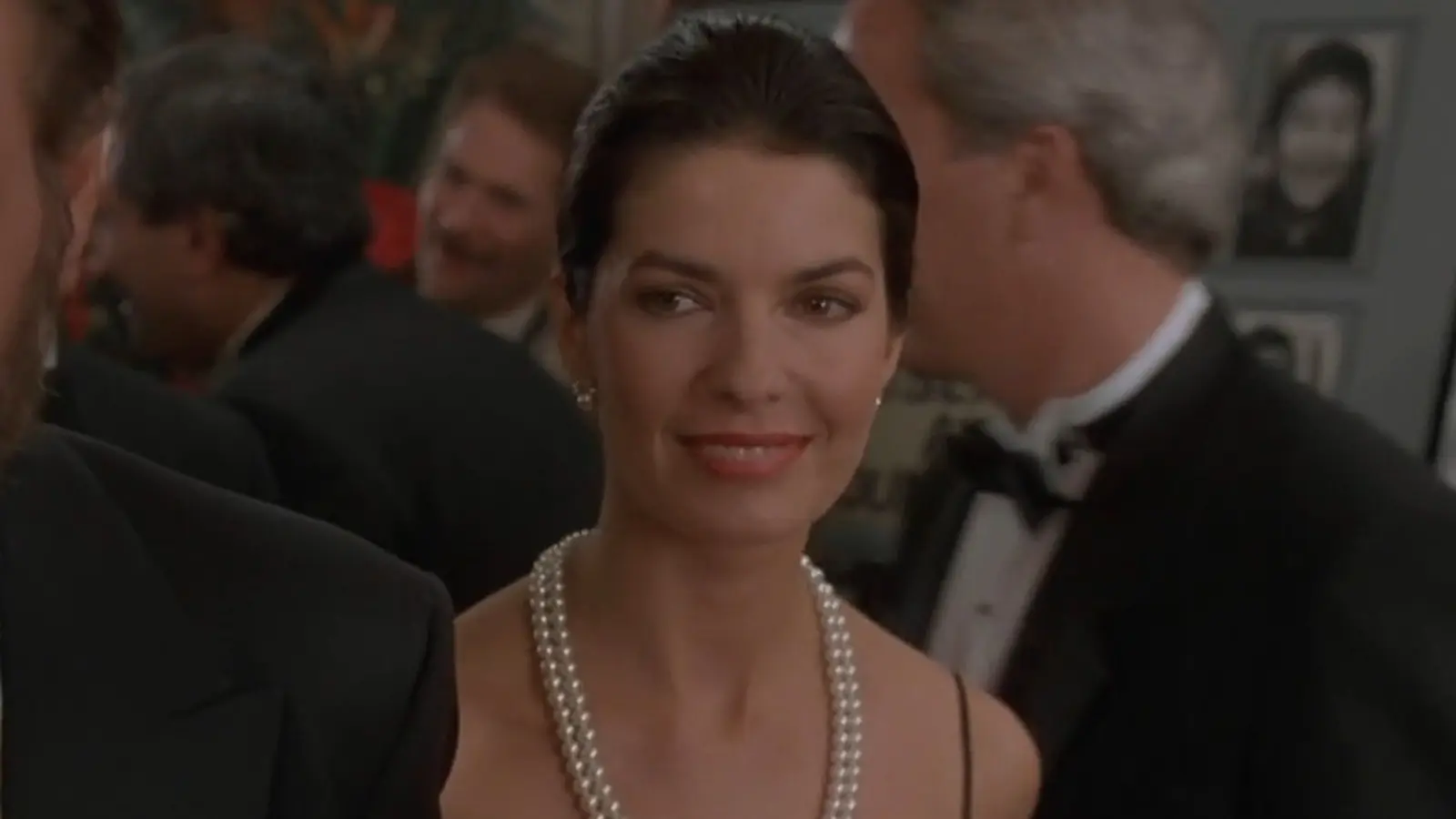
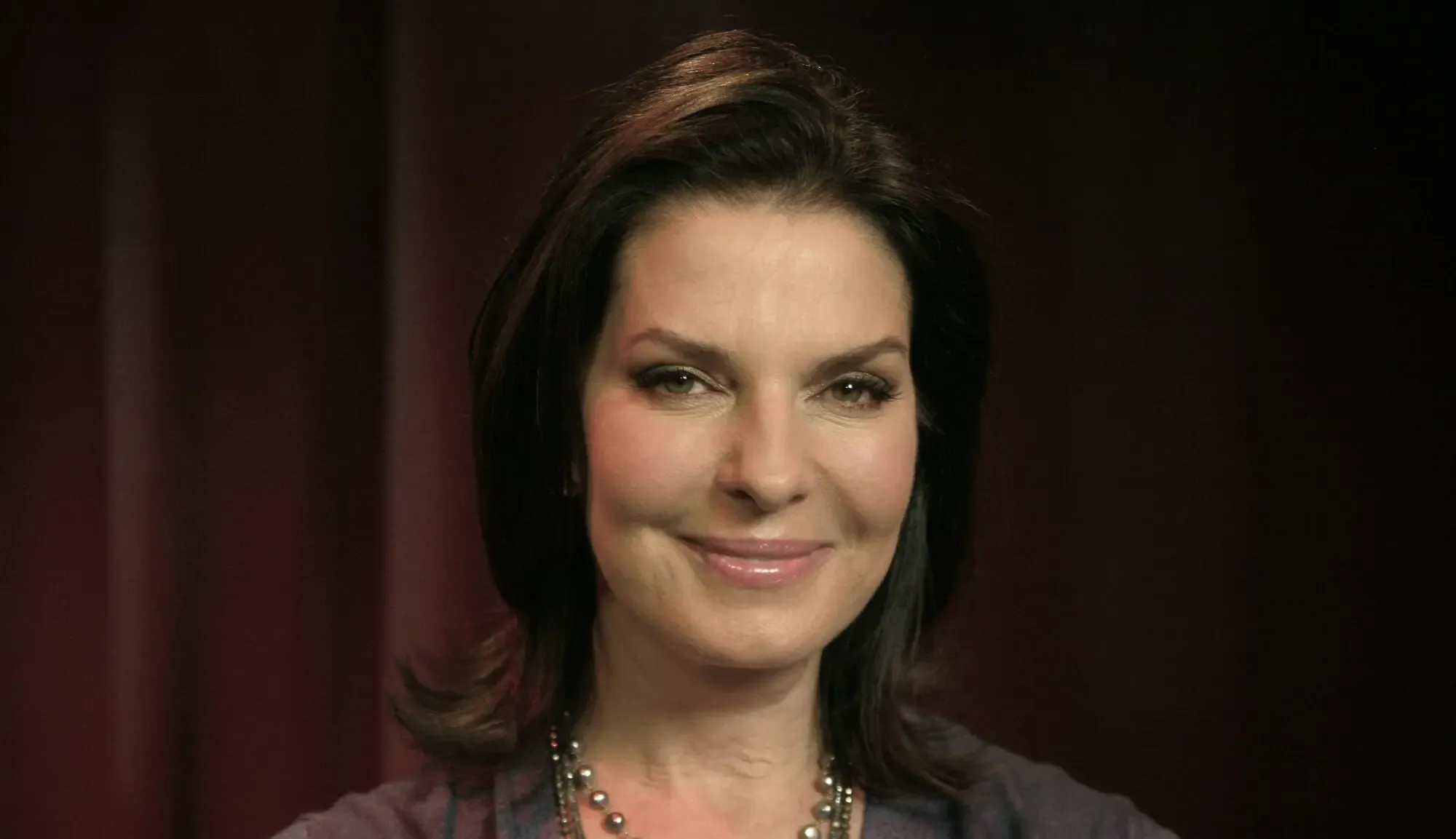
Now 69, Ward has stepped back from regular screen work. She has become a significant force in philanthropy, particularly through Hope Village for Children, an organisation she founded in her home state of Mississippi to support at-risk young people. In a 2024 interview with the Magnolia Tribune, she hinted at a possible return to acting, telling her manager she was not quite done yet.
Where Is the Rest of the Fugitive Cast Now?
Julianne Moore — Dr. Anne Eastman
The most remarkable “blink-and-you-miss-it” moment in The Fugitive belongs to Julianne Moore. In 1993, she was a relative unknown, transitioning from soap operas to feature films. Cast as Dr. Anne Eastman — a no-nonsense emergency room doctor who briefly helps Kimble — Moore originally had a larger role. She has joked in interviews that she was essentially “cut out” of the movie, with an entire apartment scene ending up on the cutting room floor.
Despite the trimming, her screen presence is unmistakable. Watching her brief scenes now is like spotting a comet: you can feel the gravitational pull of what was coming.
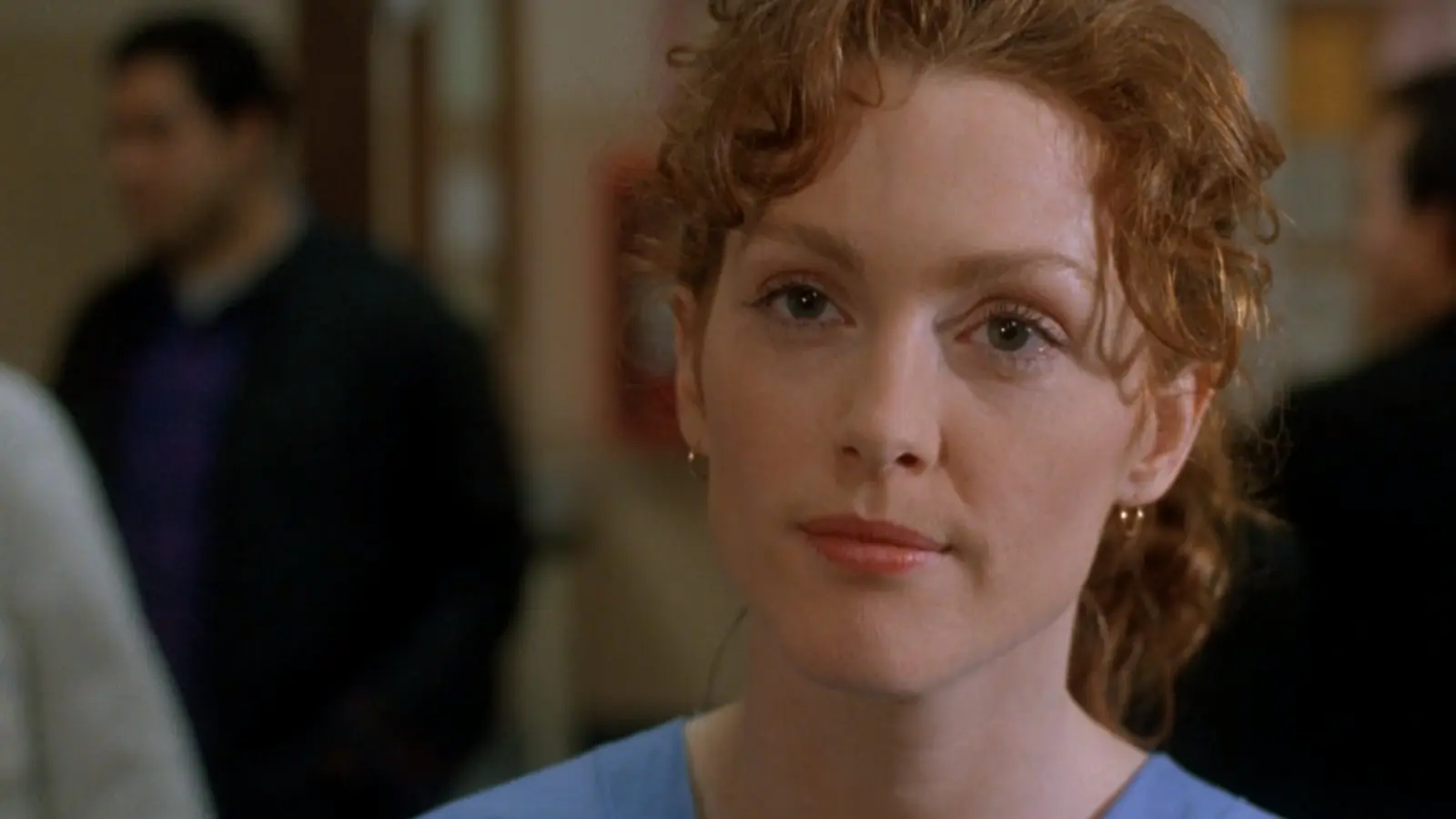
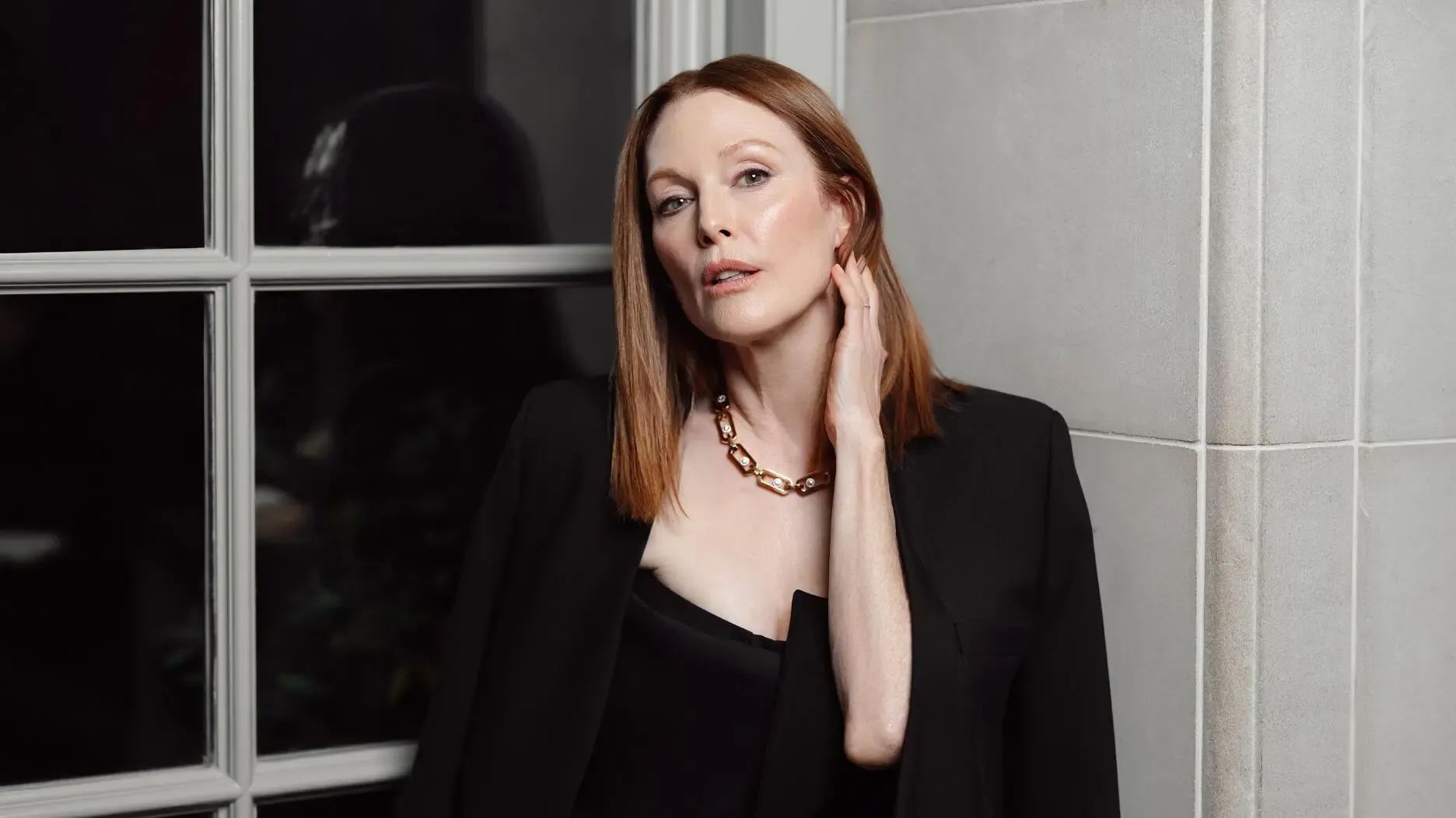
And what came was extraordinary. Moore rapidly ascended through Boogie Nights, Magnolia, and The Hours before finally winning the Academy Award for Best Actress for Still Alice (2014). In 2023, she drew acclaim for May December. Her trajectory remains the ultimate Then & Now surprise from this cast — from a trimmed supporting role to one of the most decorated actors of her generation.
Joe Pantoliano — Cosmo Renfro
“Joey Pants” is the working definition of a character actor who elevates everything he touches. His role as the wisecracking Marshal Cosmo Renfro gave The Fugitive its unique rhythm — a blend of workplace comedy and high-stakes pursuit. Joe Pantoliano was 41 at the time and already a familiar face from The Goonies and Midnight Run, but this film cemented his ability to steal scenes from the biggest names in the room.
His career since has been relentless. Cypher in The Matrix. The volatile Ralph Cifaretto in The Sopranos, which earned him the Primetime Emmy Award for Outstanding Supporting Actor. Captain Howard across the entire Bad Boys franchise, right through to Ride or Die (2024). He has also become one of Hollywood’s most vocal advocates for mental health awareness, founding the non-profit No Kidding, Me Too! and publishing two candid memoirs about his struggles with depression.
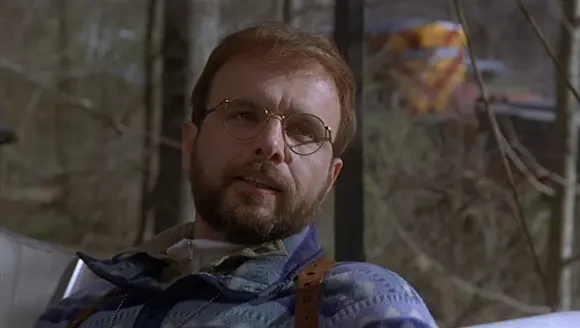
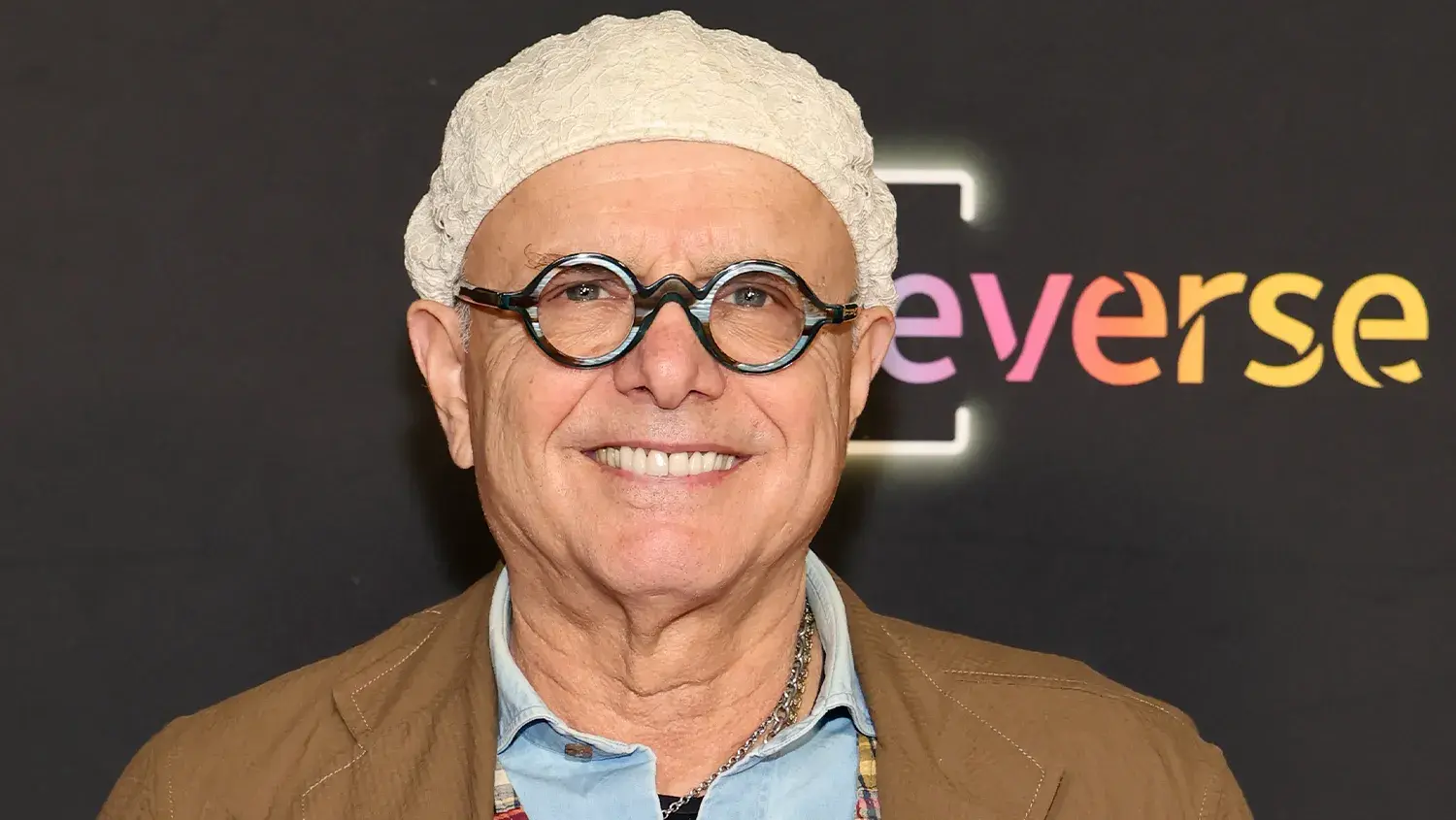
In May 2020, Pantoliano’s life took a frightening turn when he was struck by a car while walking with his family near his Connecticut home. A Porsche, after being hit by another vehicle, careened across the road and knocked him off his feet. He suffered a severe head injury and chest trauma that required a long recovery.
True to form, he fought his way back. In 2025, he appeared in the second season of The Last of Us, delivering a one-scene performance as the infected Eugene Lynden that earned him an Emmy nomination for Outstanding Guest Actor. At 74, Pantoliano has multiple projects in production for 2026, including the Marvel series Wonder Man and Power Book III: Raising Kanan. Retirement is not in his vocabulary.
Jeroen Krabbé — Dr. Charles Nichols
The villain reveal in The Fugitive remains one of the great twists of 90s cinema, and Jeroen Krabbé played the traitorous Dr. Charles Nichols with icy sophistication. The Dutch actor was not the original choice for the role — that was Richard Jordan, who had to withdraw from the production due to a brain tumour (more on Jordan below). Krabbé stepped in seamlessly, bringing an urbane menace that contrasted perfectly with the rough-and-tumble marshals.
Hollywood audiences might remember him best as 90s villainy personified — he also menaced James Bond in The Living Daylights (1987). But Krabbé’s European career has been far more varied. He directed the acclaimed Dutch film The Discovery of Heaven (2001) and is an accomplished painter whose work has been exhibited widely.
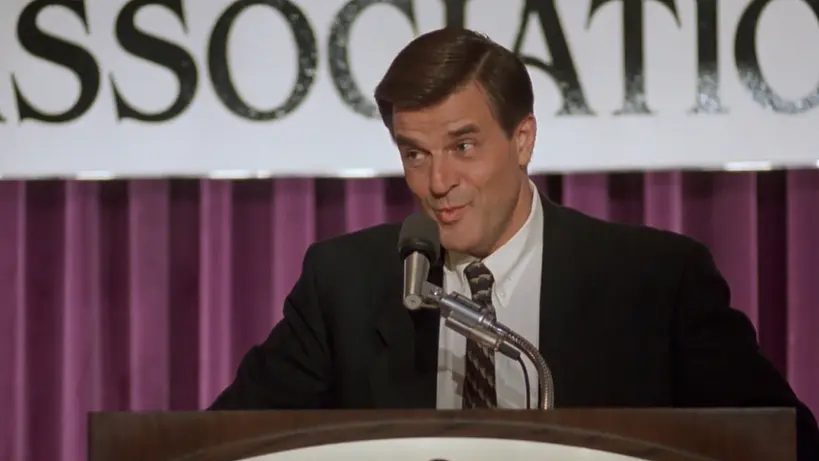
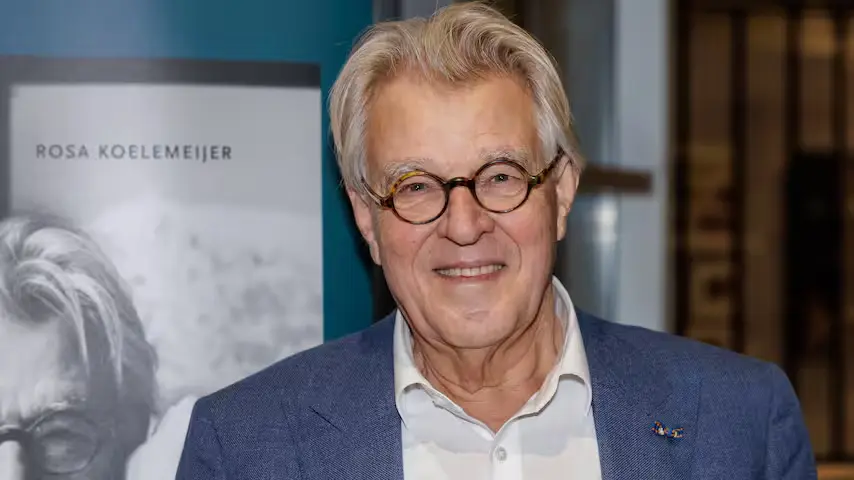
Now in his eighties, Krabbé has largely stepped away from international cinema, focusing on his art and life in the Netherlands. His role in The Fugitive stands as a high point of a career that always had more dimensions than Hollywood let him show.
Andreas Katsulas — Frederick Sykes (The One-Armed Man)
Deceased — passed away 13 February 2006, aged 59.
No retrospective on The Fugitive is complete without the One-Armed Man. Andreas Katsulas brought a terrifying physicality to Frederick Sykes, turning what could have been a simple plot device into a genuinely menacing screen presence. With his imposing frame and unblinking stare, he was the film’s silent nightmare.
Beyond this role, Katsulas was beloved in the science fiction community for his extraordinary performance as G’Kar in Babylon 5. His ability to convey warmth, humour, and depth beneath layers of prosthetics made him a unique talent.
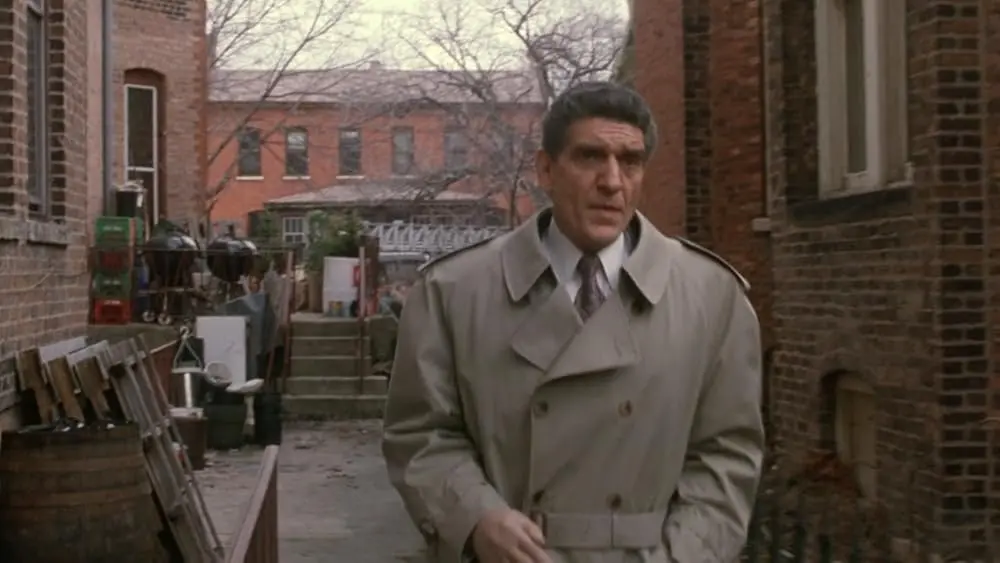
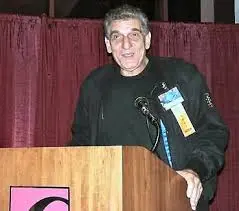
Katsulas was a lifelong heavy smoker. He was diagnosed with lung cancer and passed away in February 2006 at just 59. His legacy endures through two iconic genre roles — and in The Fugitive, he remains the relentless shadow that haunts the hero’s every step.
Daniel Roebuck — Deputy Robert Biggs
Among the ensemble of marshals, Daniel Roebuck stood out as the amiable, slightly bumbling Deputy Biggs. Then 30, Roebuck had already made his mark in River’s Edge, but The Fugitive showcased his gift for grounded, relatable humour. Much of the marshals’ banter was improvised, and Roebuck was a key ingredient in that chemistry.
Since 1993, he has built one of the busiest careers in the business — the kind that doesn’t make headlines but holds entire productions together. He became a television staple with recurring roles in Matlock and Lost, where he played the memorably unfortunate Dr. Leslie Arzt. He also forged a strong creative partnership with director Rob Zombie, appearing in horror films like The Devil’s Rejects and 3 from Hell.
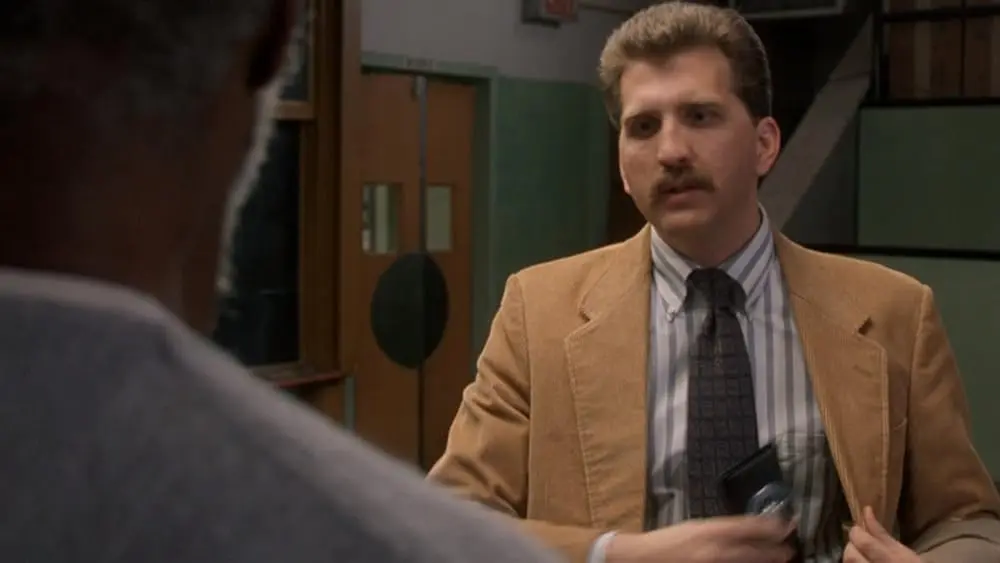
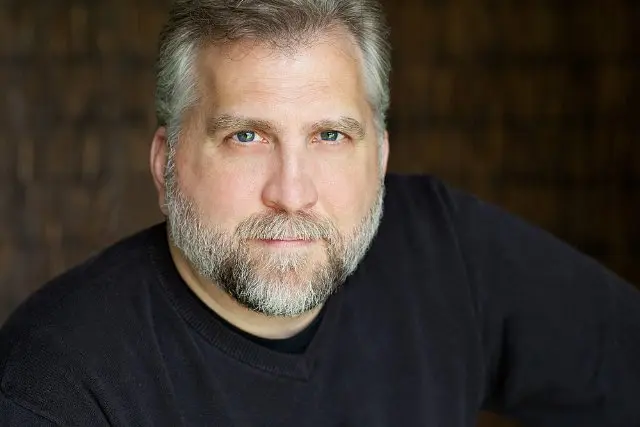
Roebuck has moved behind the camera too, producing and directing independent features and faith-based projects. He represents the working heart of Hollywood — the actor who may never be the headline name but is absolutely essential to the texture of every story he enters.
Read Next
From the Vault
In Memoriam: Richard Jordan
There is a footnote to the casting of Jeroen Krabbé that deserves its own space. The role of Dr. Charles Nichols was originally given to Richard Jordan, a Harvard-educated stage and screen actor with a distinguished career spanning Logan’s Run, The Hunt for Red October, and Dune. Jordan had already begun filming scenes for The Fugitive in early 1993 when a brain tumour diagnosis forced him to withdraw.
He never saw the film’s success. Jordan passed away on 30 August 1993, just 24 days after The Fugitive opened in cinemas. He was 56 years old. His companion, actress Marcia Cross, and his daughter Nina were by his side.
Jordan’s final completed screen appearance was as General Lewis Armistead in Gettysburg (1993) — a role that, by grim coincidence, ended with his character’s death. It was a project he had championed personally, having been close friends with the novelist Michael Shaara. His passing in the same summer as the film’s release remains one of the most poignant footnotes in 90s cinema.
The Stunt That Changed Cinema
Before the characters, there was the spectacle — and The Fugitive delivered one of the most astonishing practical sequences ever committed to celluloid.
The train derailment was filmed near Dillsboro, North Carolina, using a real decommissioned locomotive on the Great Smoky Mountains Railroad. No miniatures. No computer trickery. The production reportedly spent $1.5 million of the film’s estimated $44 million budget on the single sequence — a staggering wager on practical filmmaking in an era when digital effects were just beginning to gain a foothold.
This commitment to physical danger bled into the performances. The marshals’ banter — much of it improvised by Jones, Pantoliano, and the supporting cast — gave the film a lived-in texture that contrasted sharply with the glossy blockbusters that would dominate the rest of the decade. It is a major reason The Fugitive holds up in 2026. It feels real because, in so many ways, it was.
Why The Fugitive Remains the Best 90s Thriller
Thirty-three years on, The Fugitive holds its reputation as the benchmark for the grown-up thriller — real locations, real stunts, and performances that time has not softened. The contrast between then and now is striking. Ford is thriving in his eighties. Jones is enduring unimaginable loss with the privacy he has always demanded. Moore has become an Oscar winner. Pantoliano is still stealing scenes and earning nominations at 74. And the absence of figures like Andreas Katsulas and Richard Jordan reminds us that even the greatest ensemble casts are borrowed time.
No successful remake has landed. No reboot has managed to replicate what Andrew Davis, Ford, and Jones built on the streets of Chicago and the mountains of North Carolina. The film’s standing in critical retrospectives has only grown — it routinely appears on best-of-the-decade lists and is studied as a masterclass in sustained tension.
The chase on screen never ends. But the lives behind it remind us how much can change in 33 years — and how much a great story, well told, refuses to age.
Frequently Asked Questions
Is The Fugitive Based on a True Story?
Partly. The 1993 film is adapted from the 1960s television series created by Roy Huggins, which was itself loosely inspired by the real-life case of Dr. Sam Sheppard. Sheppard was a Cleveland osteopath convicted in 1954 of murdering his wife, Marilyn, in a case that became a national sensation. He claimed an intruder was responsible. After spending nearly a decade in prison, Sheppard was acquitted in a retrial in 1966. While the television show borrowed the wrongful-conviction premise, the 1993 film takes significant fictional liberties — the conspiracy, the one-armed man, and the dam sequence are all inventions of the screenwriters.
Where Can You Watch The Fugitive in 2026?
As of March 2026, The Fugitive is available to stream on Netflix and Paramount+ with a subscription. You can also watch it free with ads on Tubi. For rental or purchase, it is available through Prime Video, Apple TV, and Fandango at Home. Streaming availability does change, so it is always worth checking a service like JustWatch for the most current listings.
Did The Fugitive Win Any Oscars?
Yes. Tommy Lee Jones won the Academy Award for Best Supporting Actor for his performance as Deputy Marshal Samuel Gerard. The film received seven nominations in total at the 66th Academy Awards, including Best Picture, Best Cinematography, Best Film Editing, Best Original Score, Best Sound Editing, and Best Sound Mixing. Jones’s victory remains one of the most celebrated supporting-actor wins of the 1990s.