
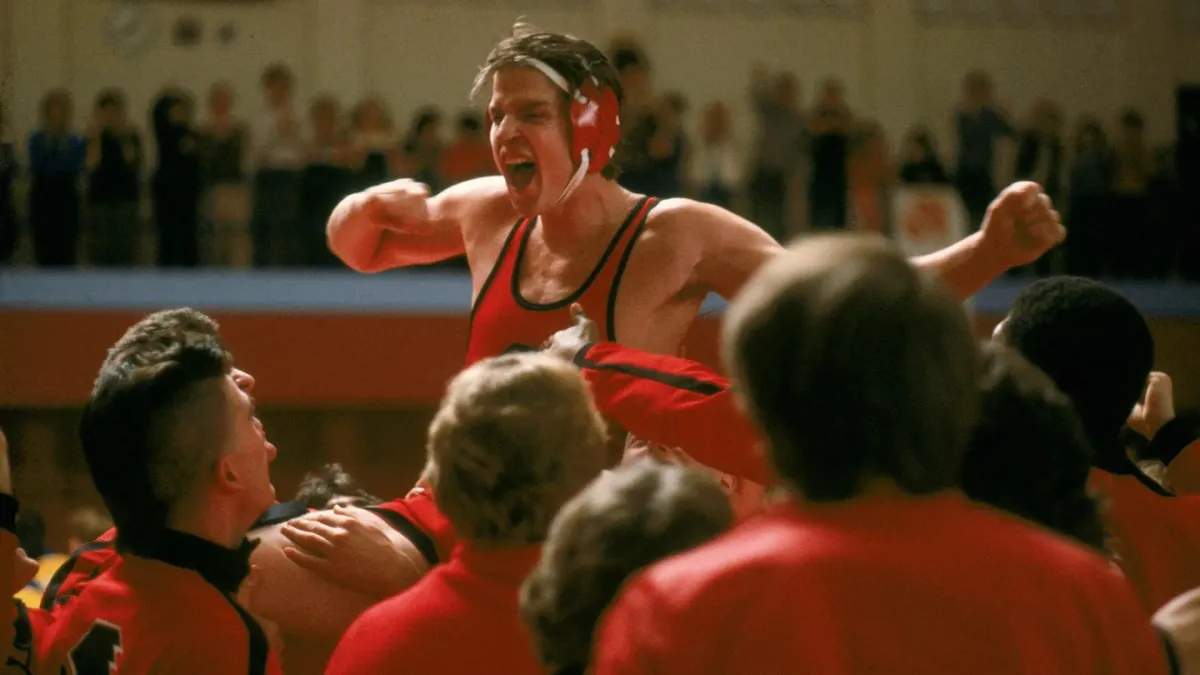
Remember when Louden Swain cut weight to 168 pounds, driven by teenage obsession and athletic glory?
Vision Quest wasn't just another sports film. It was a coming-of-age story wrapped in singlets and self-discovery, where determination bordered on self-destruction and love arrived in the form of a drifter named Carla.
Director Harold Becker's 1985 drama captured something raw about adolescent fixation. Based on Terry Davis's novel, the film followed high school wrestler Louden as he pursued an impossible goal: dropping two weight classes to challenge the undefeated champion Shute. His journey intersected with Carla, a mysterious 21-year-old artist temporarily living in his family's home.
Nearly four decades later, Vision Quest remains beloved by wrestling enthusiasts and 80s nostalgia seekers alike. The film launched careers. It featured a then-unknown Madonna performing "Crazy for You." It influenced a generation of sports dramas.
But what happened to the passionate athletes and supporting players who brought this story to life?
From Oscar-winning transformations to voluntary Hollywood exits, their journeys prove that sometimes the real victory comes after the final whistle.
The Lead Trio
Matthew Modine (Louden Swain) — The Reluctant Star
THEN: At 25, Matthew Modine was a rising talent fresh from Birdy (1984) when he transformed himself into the obsessive teenage wrestler Louden Swain.
The role demanded physical transformation. Modine trained intensively with real wrestlers and dropped significant weight to authentically portray the dangerous practice of cutting.
His performance captured adolescent intensity without melodrama. Louden's single-minded pursuit of an impossible goal, his awkward romance with an older woman, and his relationship with his bemused father created a character who felt genuinely lived-in rather than scripted.
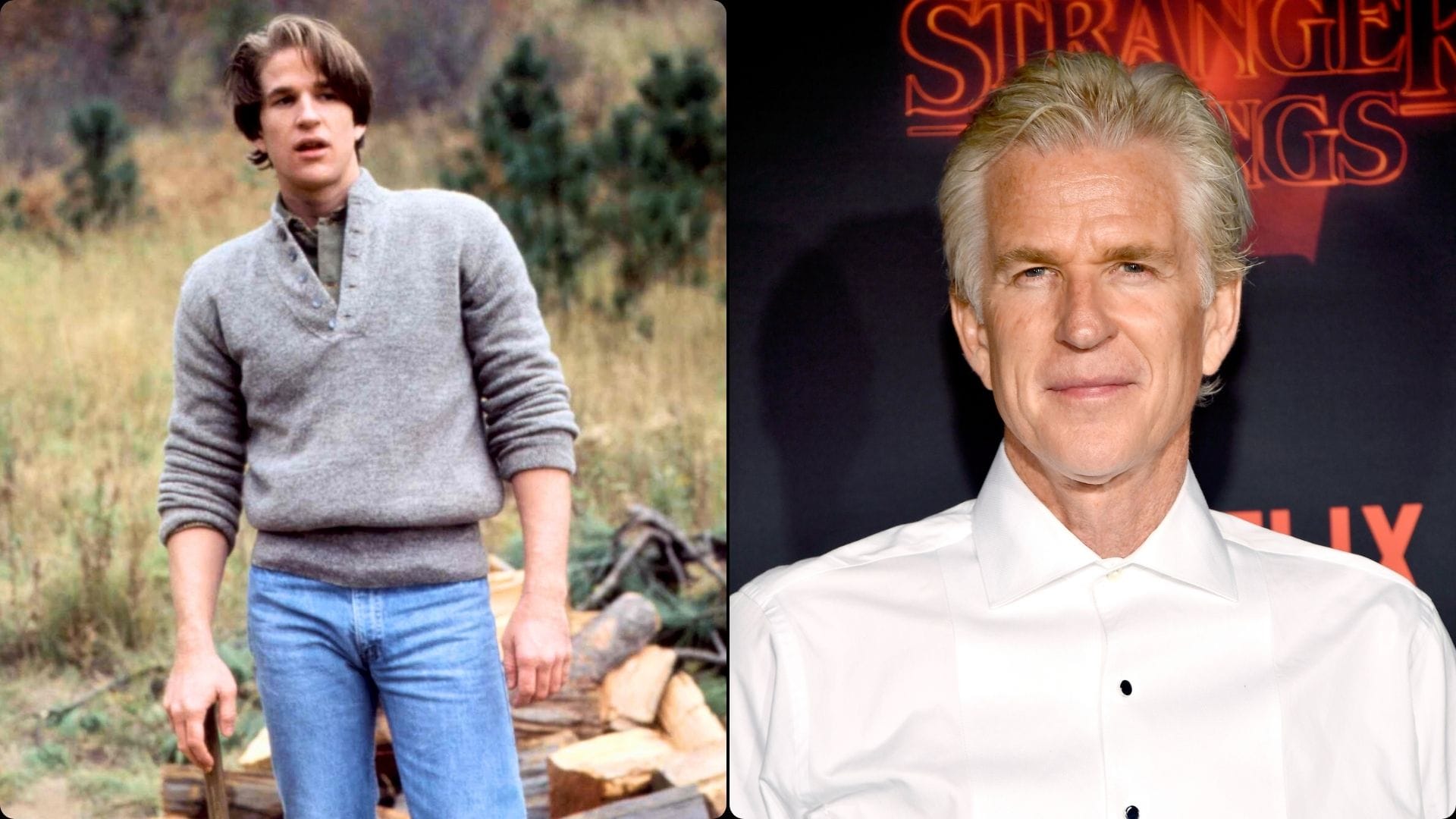
NOW: Modine built one of Hollywood's more interesting careers by deliberately choosing substance over stardom.
Now 66, he's maintained steady work for four decades while avoiding the celebrity machinery that consumed many contemporaries.
Career highlights post-Vision Quest:
- Full Metal Jacket (1987) - Stanley Kubrick's Vietnam masterpiece as Private Joker
- Married to the Mob (1988) - Showcasing his comedic range
- Short Cuts (1993) - Robert Altman's ensemble drama
- And the Band Played On (1993) - AIDS crisis drama
- Stranger Things (2016-2022) - Career resurgence as Dr. Brenner
The Stranger Things role introduced Modine to an entirely new generation. They knew him as the sinister government scientist rather than the earnest wrestler or cynical Marine.
His approach to fame—choosing roles for artistic merit rather than box office potential—means his filmography reads like a film school syllabus rather than a blockbuster catalogue. Modine continues acting and has expanded into directing and producing.
His deliberate career choices mirror Louden Swain's approach: it's not about the obvious path, it's about the one that means something.
Linda Fiorentino (Carla) — The Vanishing Act
THEN: Linda Fiorentino was 26 and making her film debut as Carla, the enigmatic artist who drifts into Louden's life and upends everything.
Her performance radiated intelligence and sensuality. Carla was no manic pixie dream girl, but a fully realized woman with her own complicated history and uncertain future.
The role established Fiorentino as a different kind of leading lady. Sharp-tongued, sexually confident, and utterly unwilling to exist merely as a male character's motivation. Her chemistry with Modine crackled precisely because Carla never quite belonged to Louden or anyone else.
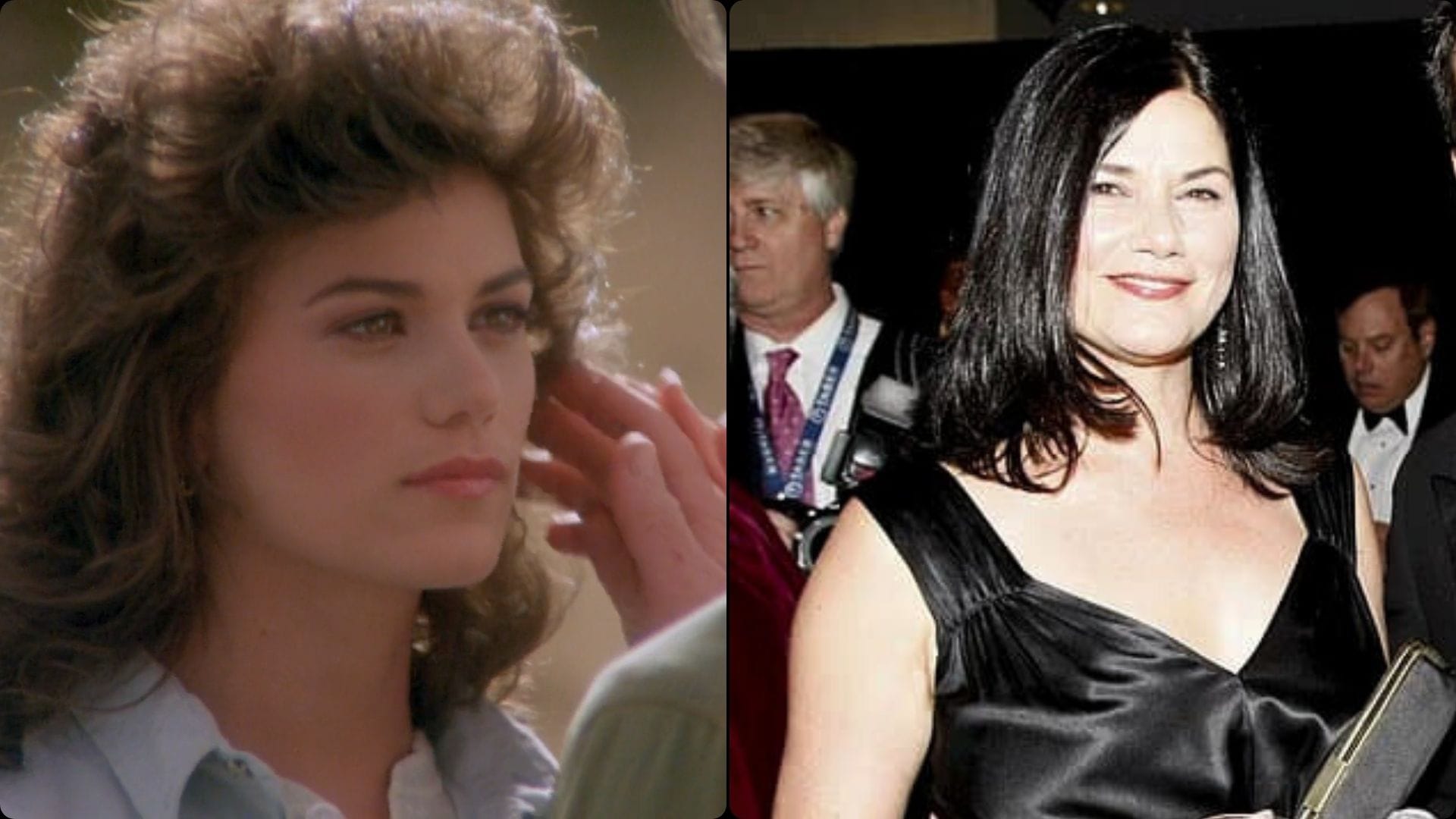
The FBI Scandal That Ended
Linda Fiorentino's Career
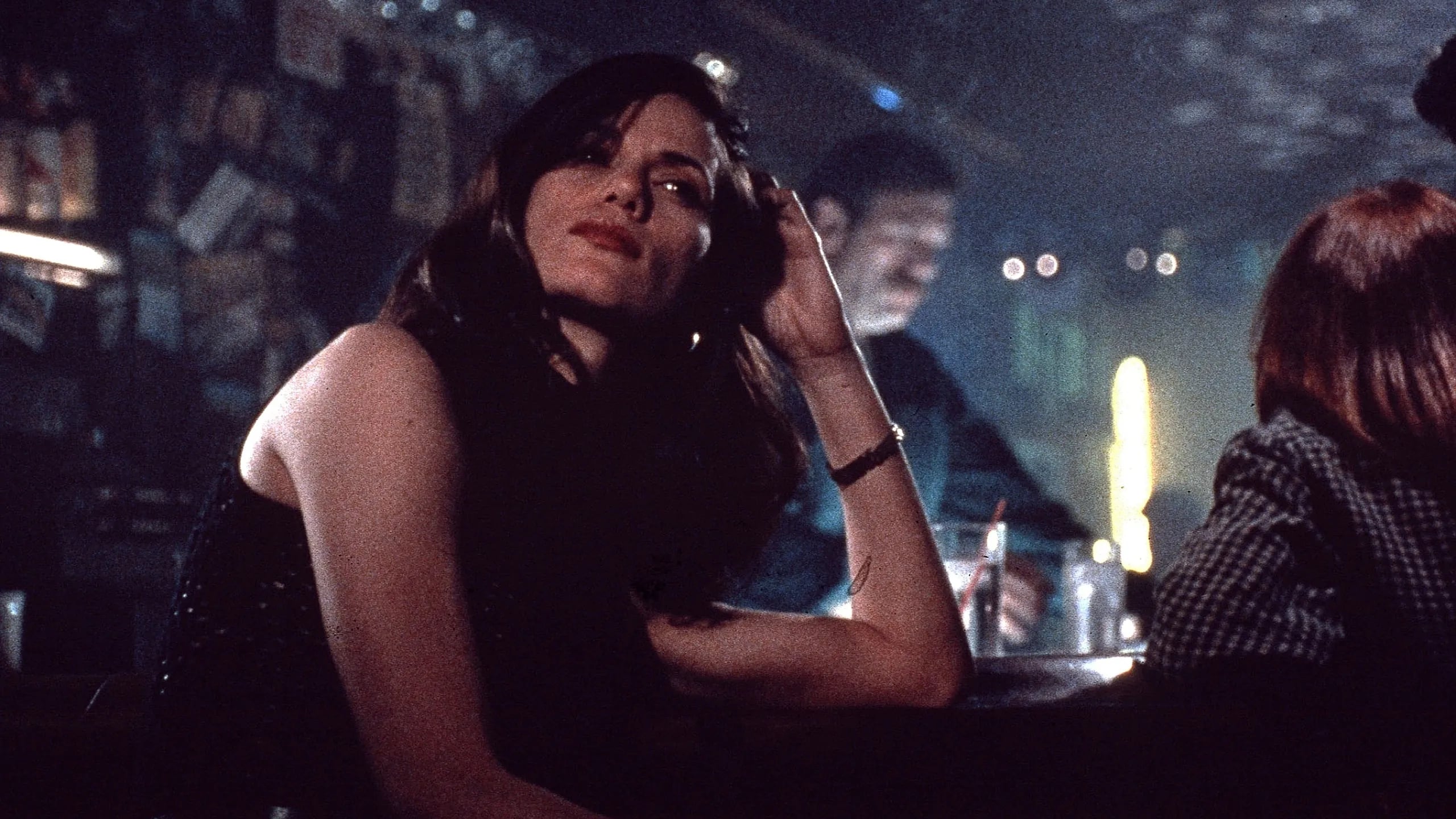
After Vision Quest, Linda Fiorentino became one of the 90s' most compelling actresses. The Last Seduction made her a noir icon. Then she vanished.
The rumours were wild: FBI investigations, blacklisting, industry exile. The truth? Even stranger.
Michael Schoeffling (Kuch) — The Heartthrob Who Walked Away
THEN: Michael Schoeffling was 25 and already established as the heartthrob du jour following Sixteen Candles (1984).
As Kuch, Louden's best friend and wrestling teammate, Schoeffling provided grounded support—the loyal friend who understood obsession even when he couldn't quite grasp Louden's specific fixation.
Schoeffling brought natural athleticism to the wrestling scenes and easy chemistry to the friendship dynamics. Kuch represented the simpler path: stay in your weight class, enjoy the ride, don't overcomplicate things.
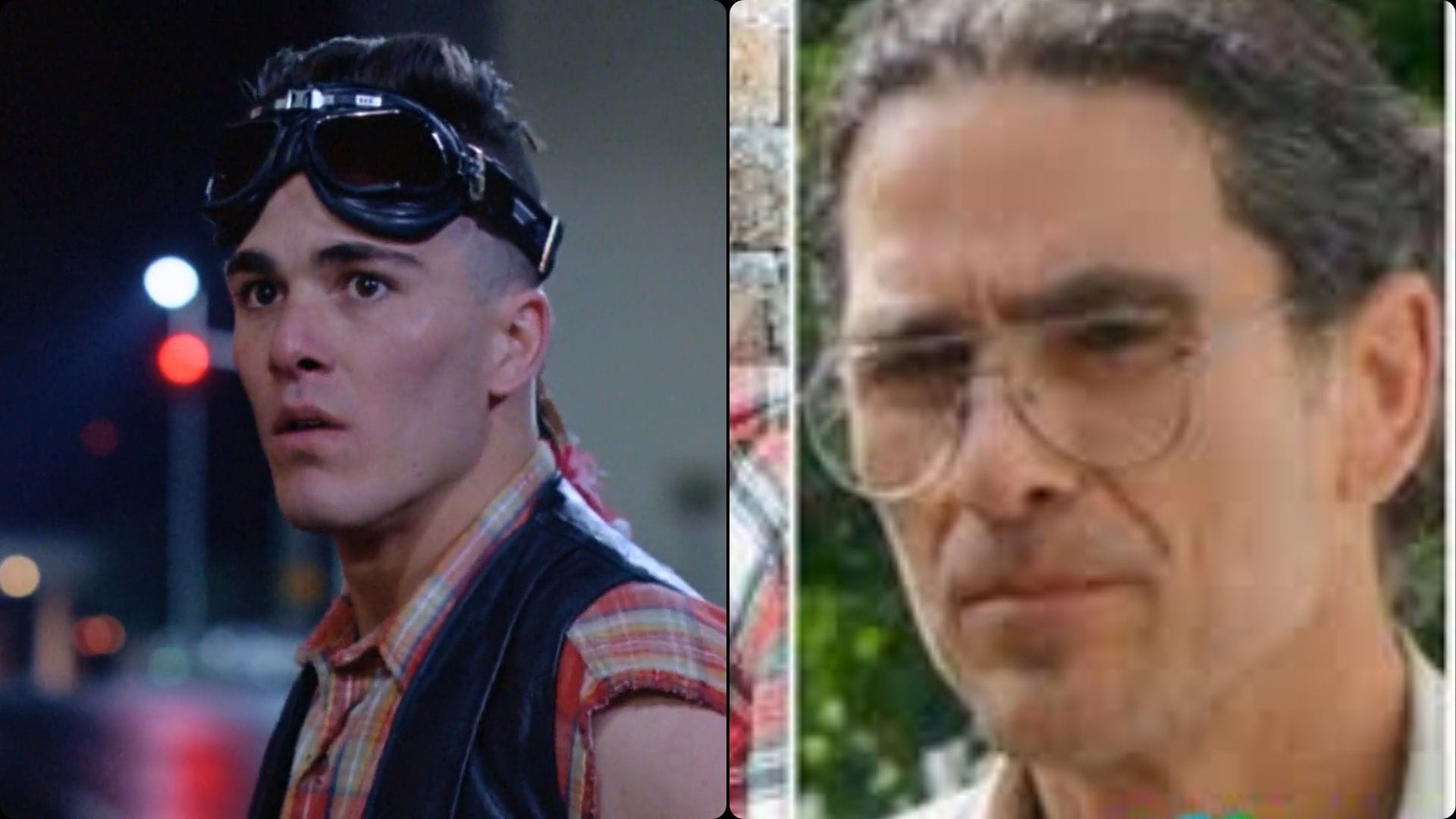
NOW: In one of Hollywood's most fascinating disappearing acts, Michael Schoeffling abandoned acting entirely in 1991 to become a furniture maker in Pennsylvania.
Now 65, he's spent more than three decades deliberately avoiding the spotlight that once pursued him relentlessly.
His post-Hollywood life centred on craftsmanship and family. Building handmade furniture and raising his children far from Los Angeles. Schoeffling represents the ultimate alternative to fame: choosing quiet expertise over celebrity, manual labour over red carpets, privacy over publicity.
The teenage girls who swooned over Jake Ryan would hardly recognise the craftsman who values a perfect dovetail joint over a perfect headshot.
Read Next
From the Vault
The Supporting Cast
Forest Whitaker (Balldozer) — From Supporting Player to Hollywood Royalty
THEN: Forest Whitaker was just 23 and virtually unknown when he appeared briefly as Balldozer, one of Louden's wrestling teammates.
The role was small. A few scenes, minimal dialogue. But Whitaker's natural presence suggested something deeper brewing beneath the surface.
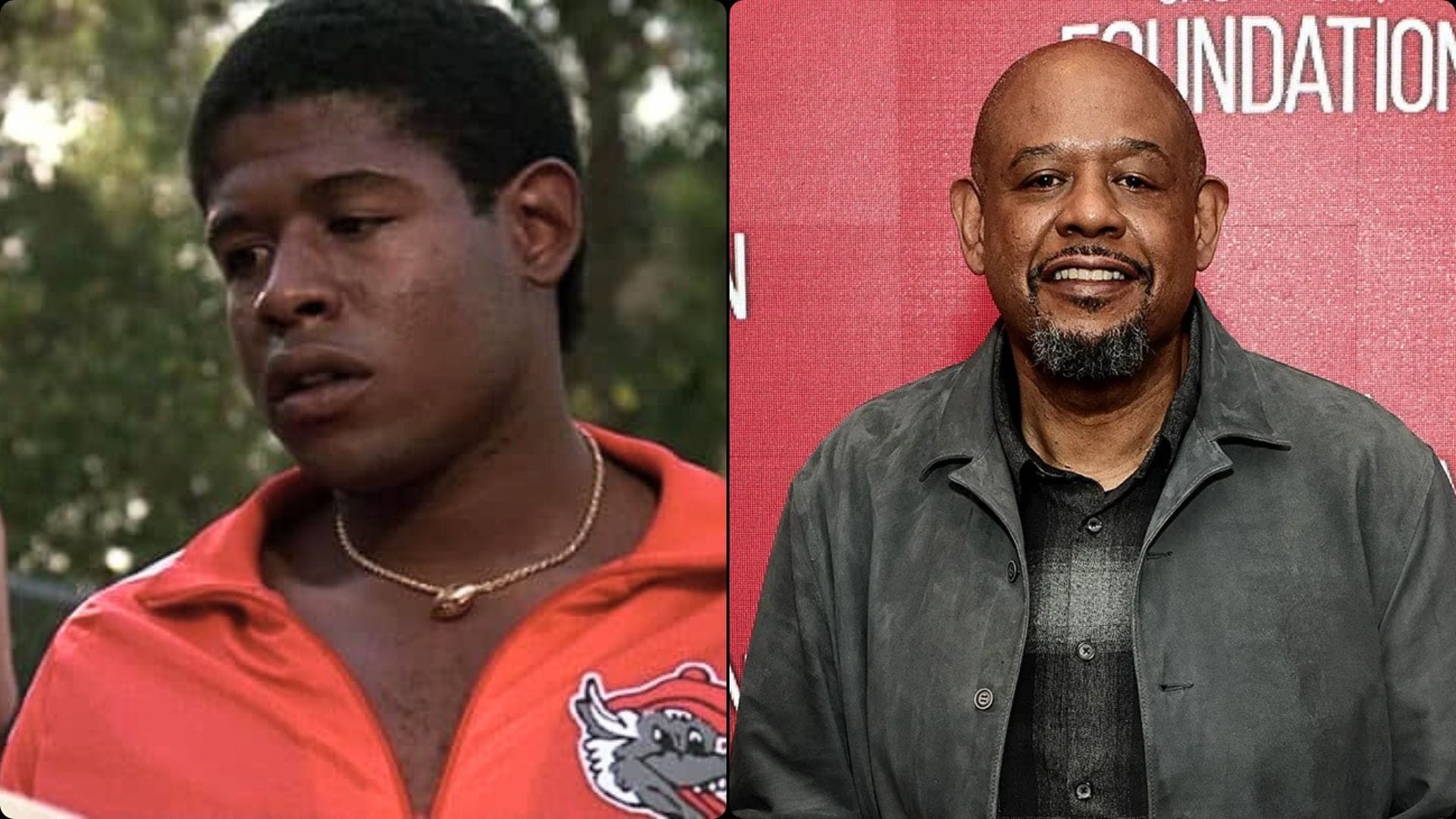
NOW: Whitaker transformed from "that guy in Vision Quest" to one of cinema's most respected actors.
Now 63, his journey from supporting player to Oscar winner represents the article's most dramatic success story.
Career trajectory:
- The Color of Money (1986) - Early visibility alongside Paul Newman
- Bird (1988) - Transformative performance as Charlie Parker
- Ghost Dog: The Way of the Samurai (1999) - Cult classic leading role
- The Last King of Scotland (2006) - Academy Award for portraying Idi Amin
- Black Panther (2018) - Zuri in the Marvel phenomenon
- The Godfather of Harlem (2019-present) - Leading television role
Whitaker's range spans from quiet intensity to explosive volatility. His performances carry weight and intelligence, whether playing real historical figures or fictional characters.
The brief appearance in Vision Quest now plays like an Easter egg. Spot the future Oscar winner in his early days.
His success proves that small beginnings don't predict final destinations. Balldozer was forgettable. Forest Whitaker became unforgettable.
Ronny Cox (Louden's Dad) — The Consummate Character Actor
THEN: Ronny Cox was 46 and already a respected character actor when he played Louden's father, a supportive single parent trying to understand his son's dangerous obsession.
Cox brought warmth and genuine concern to a role that could have been thankless. The worried dad watching his kid self-destruct.
His scenes with Modine grounded the film's more melodramatic wrestling sequences. Here was a father who loved his son enough to let him make his own mistakes, even when those mistakes involved extreme weight cutting and physical danger.
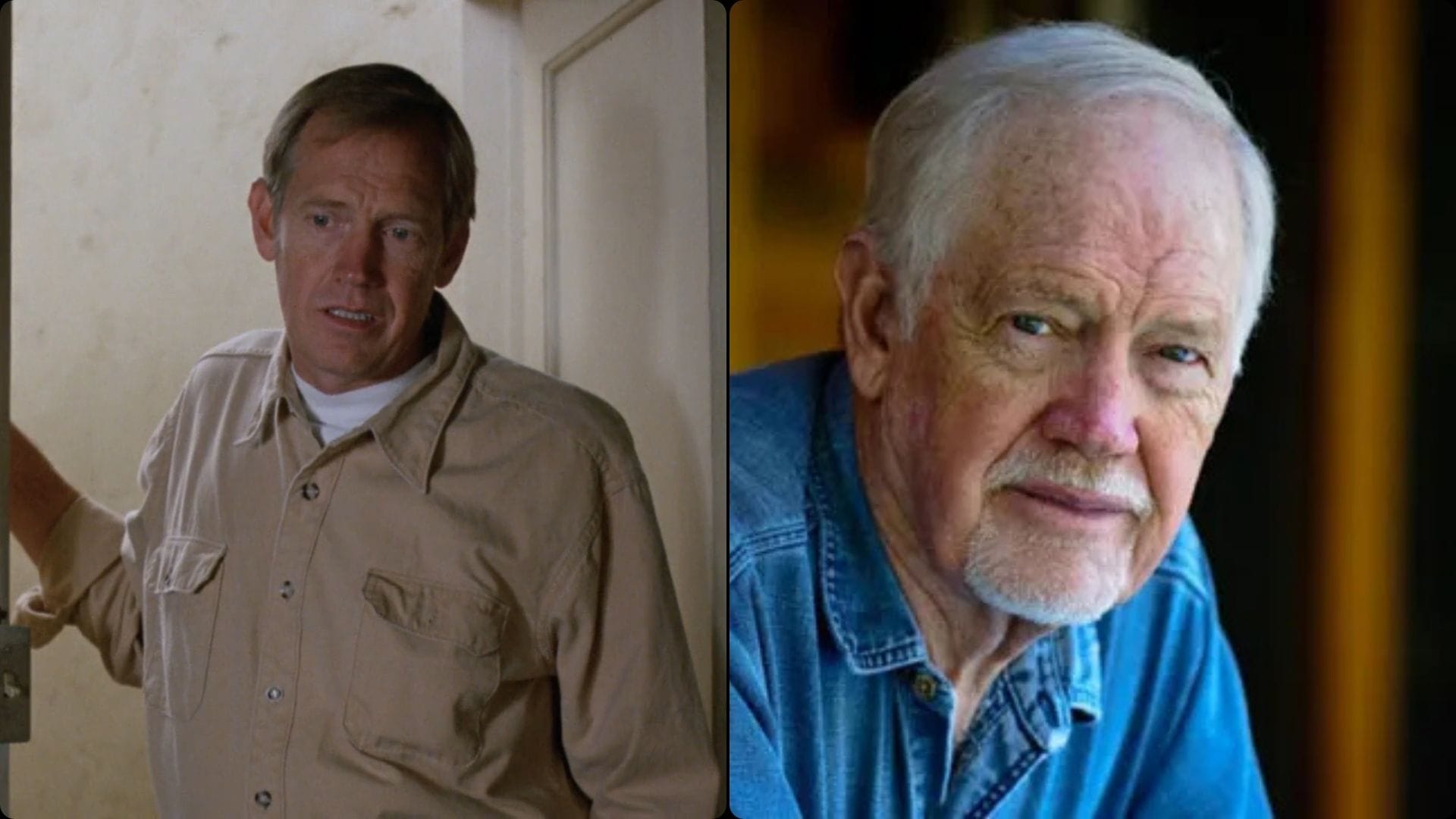
NOW: Cox became one of Hollywood's most prolific character actors, building a career on playing authority figures—often corrupt or compromised ones.
Now 86, he's still working after six decades in the business.
Notable villain roles:
- RoboCop (1987) - The villainous Dick Jones
- Total Recall (1990) - The treacherous Vilos Cohaagen
- Beverly Hills Cop (1984) - Lieutenant Bogomil (one of his rare good-guy roles)
Cox mastered the art of the corporate villain. Men in suits whose evil wore respectability. His ability to project affable menace made him perfect for 80s and 90s action films that needed businessmen as dangerous as any armed thug.
Daphne Zuniga (Margie Epstein) — From Spurned Girlfriend to Cult Icon
THEN: Daphne Zuniga was 22 and early in her career, playing Margie Epstein, Louden's earnest girlfriend who can't compete with his wrestling obsession or his fascination with Carla.
Zuniga made Margie sympathetic without making her pathetic. A teenage girl recognizing she's losing a battle she can't win.
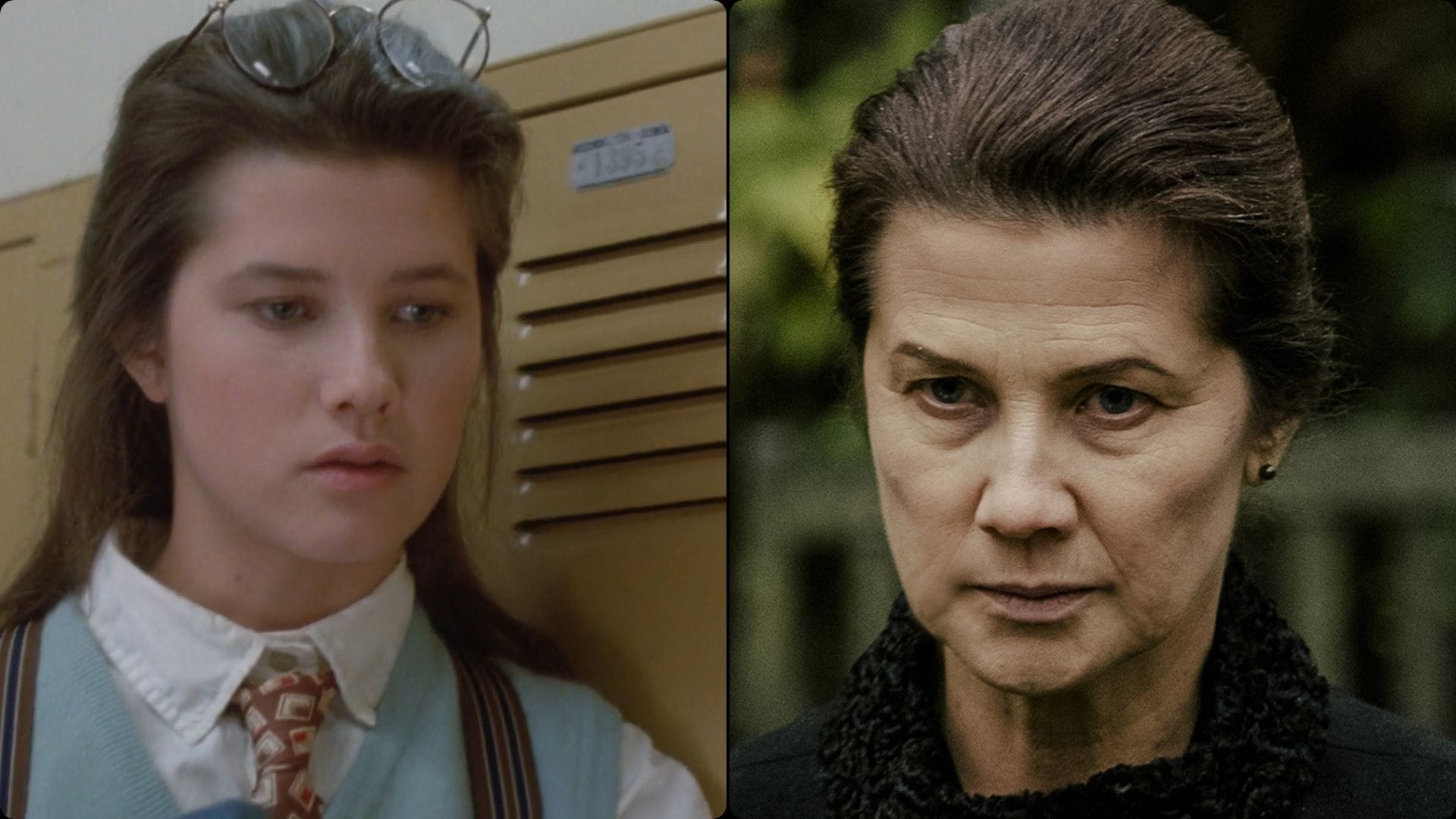
NOW: Zuniga found lasting fame two years later as Princess Vespa in Spaceballs (1987), a role that defined her career more than any drama.
Her journey from spurned girlfriend to intergalactic royalty included steady television work throughout the 90s and 2000s, particularly on Melrose Place where she became a household name.
Now 62, Zuniga continues acting while focusing on environmental activism and animal rights causes. Her career longevity proves that cult classic status can sustain a working actor indefinitely.
Harold Sylvester (Tanneran) — The Mentor Figure
THEN: Harold Sylvester was 35, playing Tanneran, Louden's English teacher who served as a mentor and voice of reason.
A former college athlete himself, Sylvester brought authenticity and genuine concern for Louden's wellbeing beyond just academics.
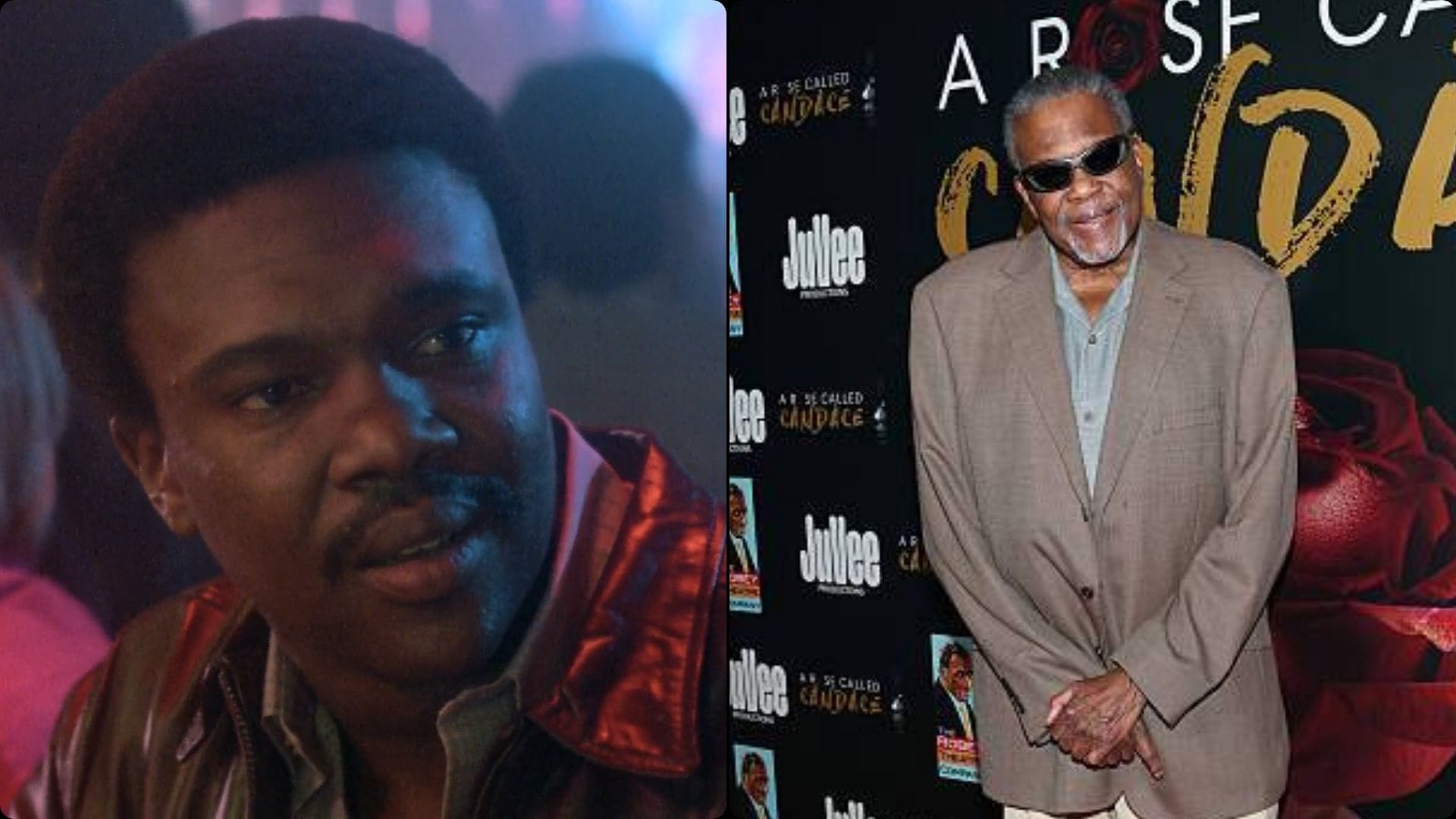
NOW: Sylvester built a respectable television career specializing in teacher and authority figure roles. Now 75, his work has spanned decades of dramas and procedurals.
While never achieving leading-man status, his consistent employment demonstrates the value of reliable character work in Hollywood's ecosystem.
The Wrestling World: Coaches and Champions
Charles Hallahan (Coach)
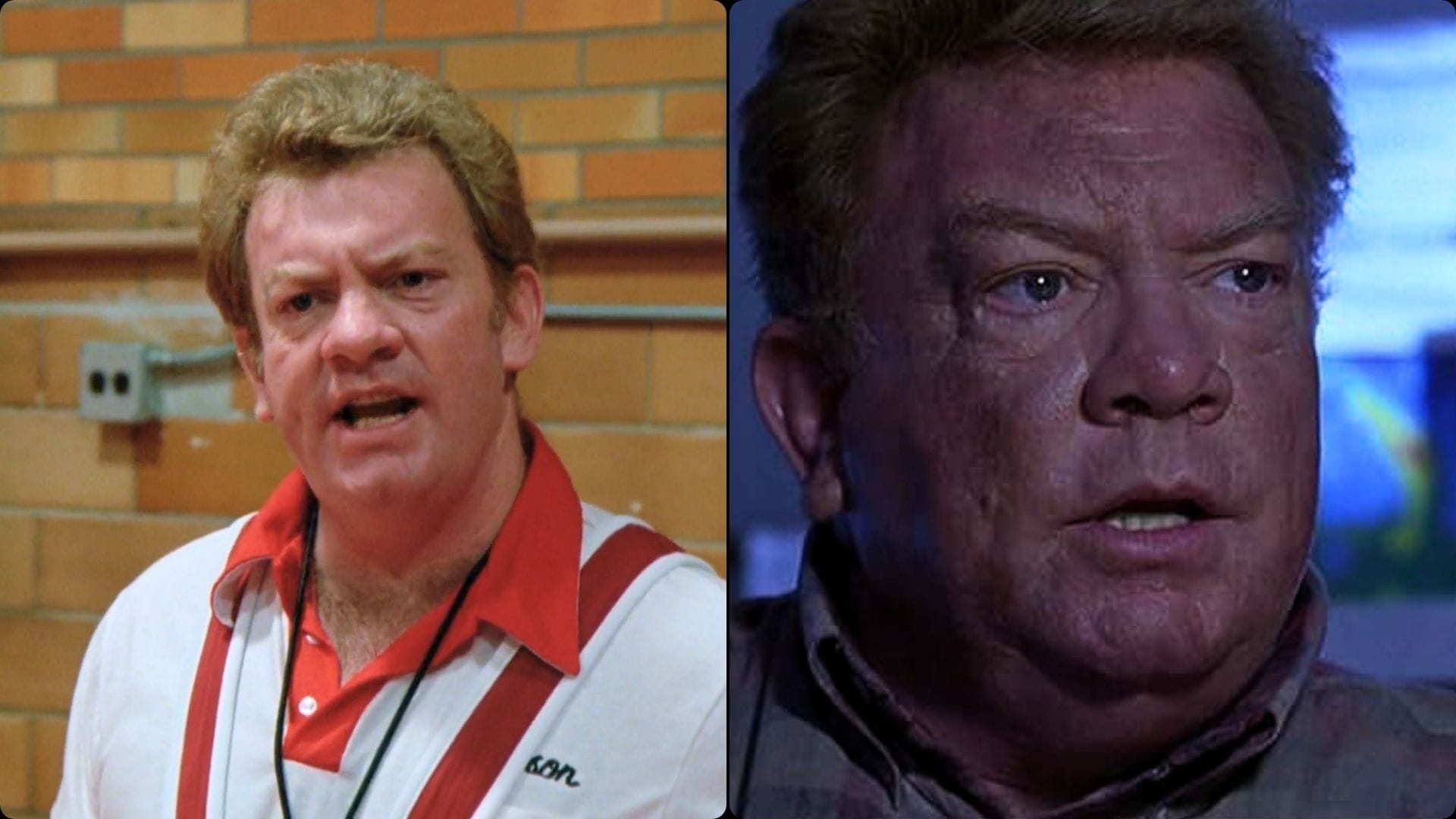
Brought gravitas to the head coaching position before his untimely death in 1997 at age 54. His character's tough-love approach to his wrestlers reflected real coaching philosophies of the era.
J.C. Quinn (Elmo), Frank Jasper (Shute), and R.H. Thomson (Kevin) rounded out the wrestling team and opposition. Jasper, a real wrestling choreographer, was interviewed by IndieWire in 2025 about the film's 40th anniversary, confirming his continued involvement in the wrestling community.
Raphael Sbarge (Schmoozler) went on to become a prolific voice actor. Massive video game and animation credits. Proving there are many paths to sustainable entertainment careers.
The deceased also include Roberts Blossom (Grandpa), who died in 2011 at 87, and James Gammon (Kuch's Dad), who passed in 2010 at 70. Both were respected character actors whose brief appearances enriched the film's lived-in quality.
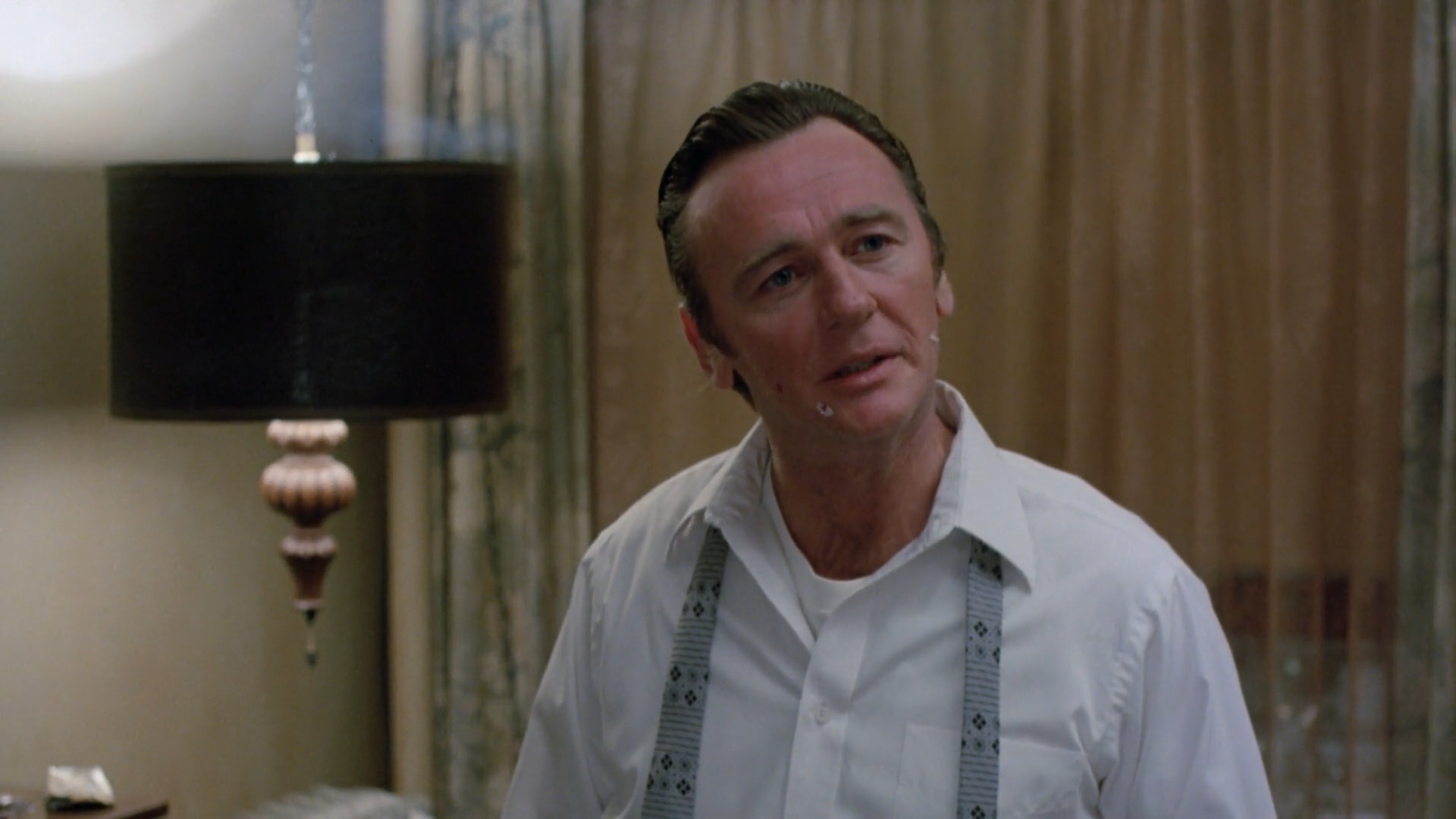
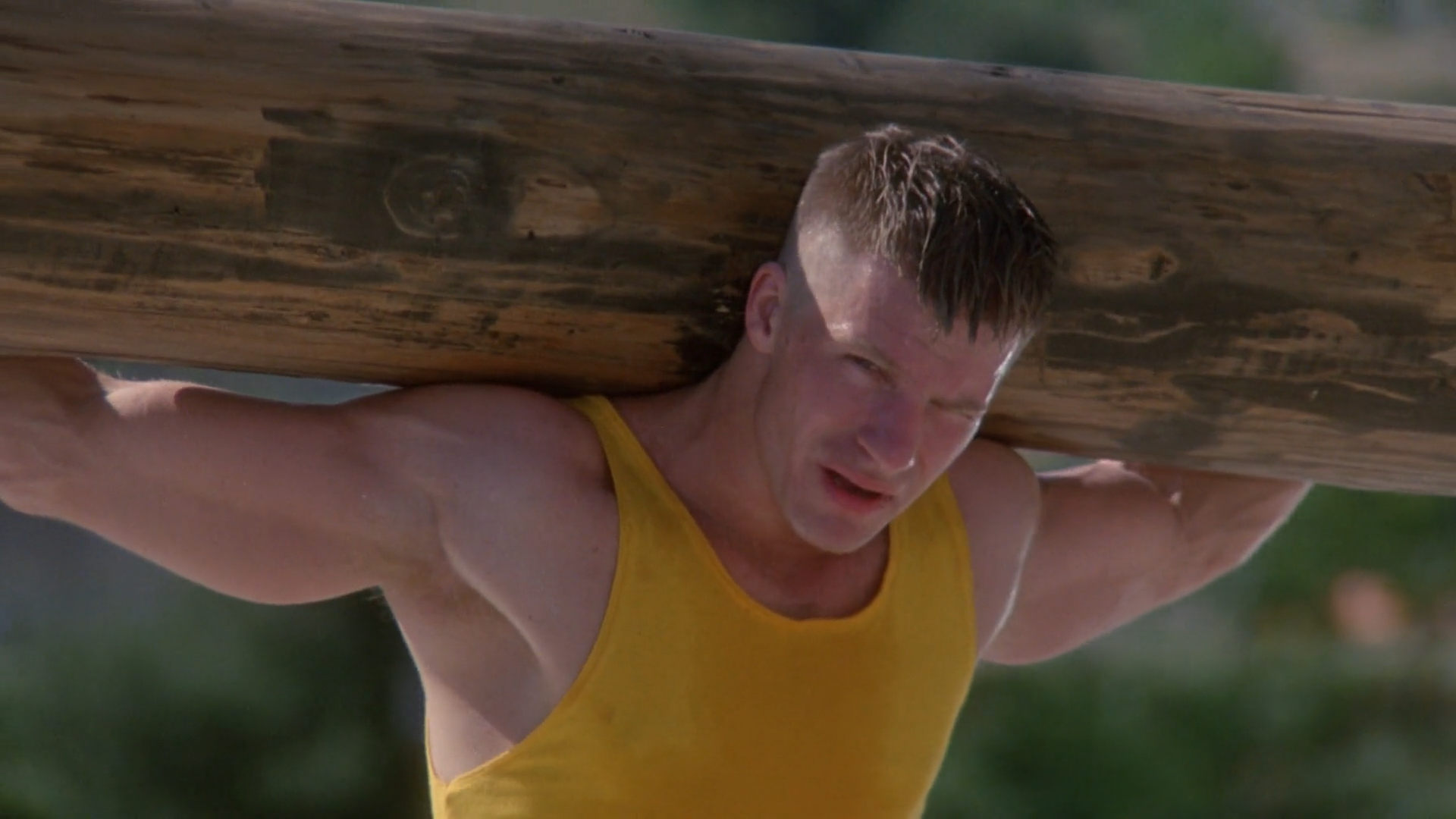
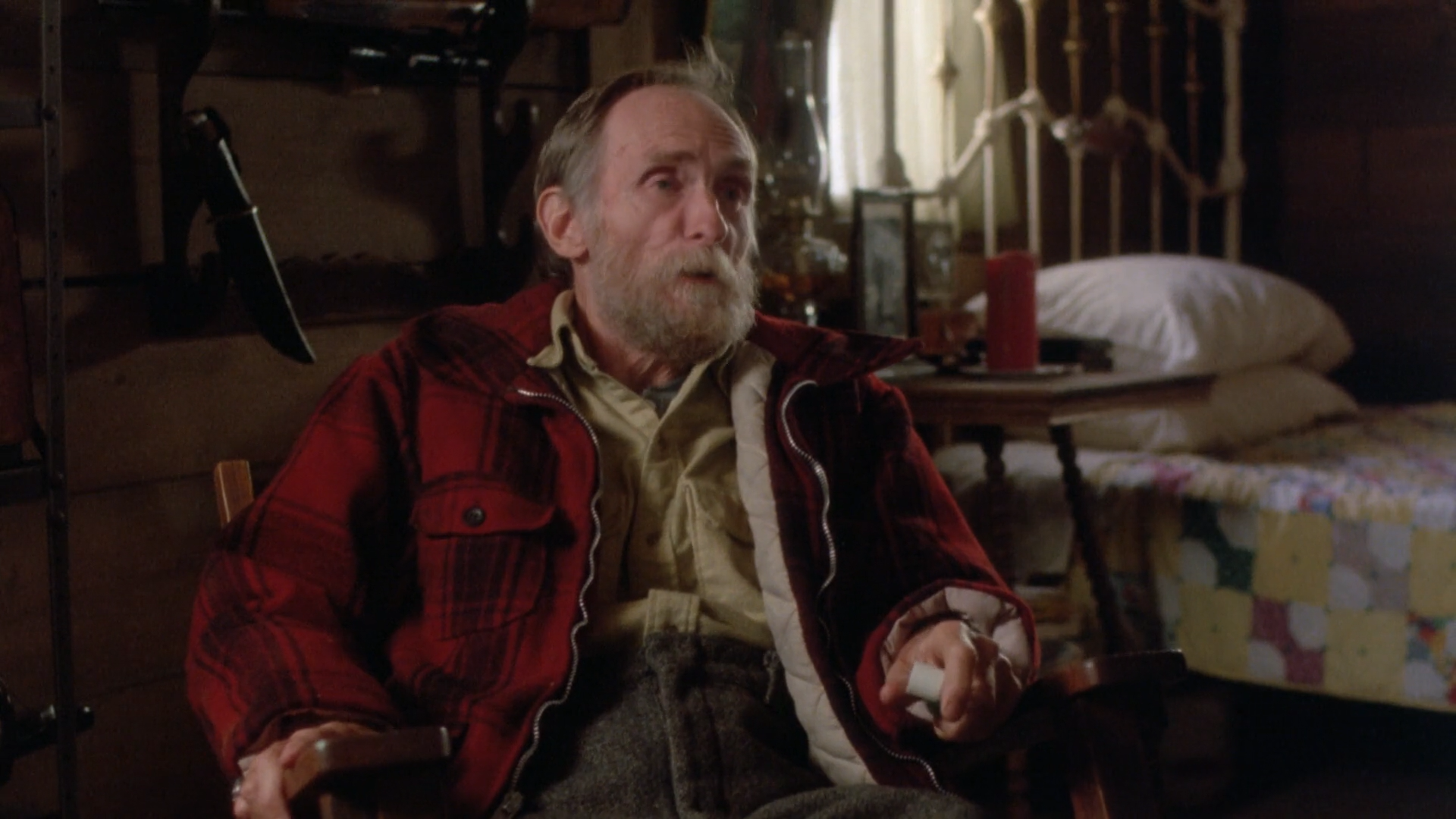
Elmo, Shute and Grandpa from Vision Quest (1985)
When Obsession Became Art
Vision Quest caught something authentic about teenage fixation. That moment when achieving a goal matters more than whether the goal makes sense.
Louden's wrestling obsession was always slightly mad. His weight-cutting borderline dangerous. His romance with Carla probably doomed. The film knew all this and made us root for him anyway.
The cast's divergent paths mirror the film's themes perfectly. Some, like Forest Whitaker, transformed brief supporting roles into legendary careers. Others, like Michael Schoeffling, chose entirely different definitions of success. Matthew Modine found the middle ground: consistent work without compromising artistic integrity.
And Madonna singing "Crazy for You" in that nightclub scene? That moment accidentally captured the mid-80s perfectly. When music video aesthetics invaded cinema. When pop stars hadn't yet overtaken movie stars. When a wrestling film could pause for a ballad and audiences accepted the tonal whiplash.
Four decades later, Vision Quest endures because it understood that the real victory isn't winning the match—it's surviving adolescence with enough of yourself intact to build whatever comes next.
The cast proved that lesson in their own diverse ways. Each finding their own version of going the distance.