
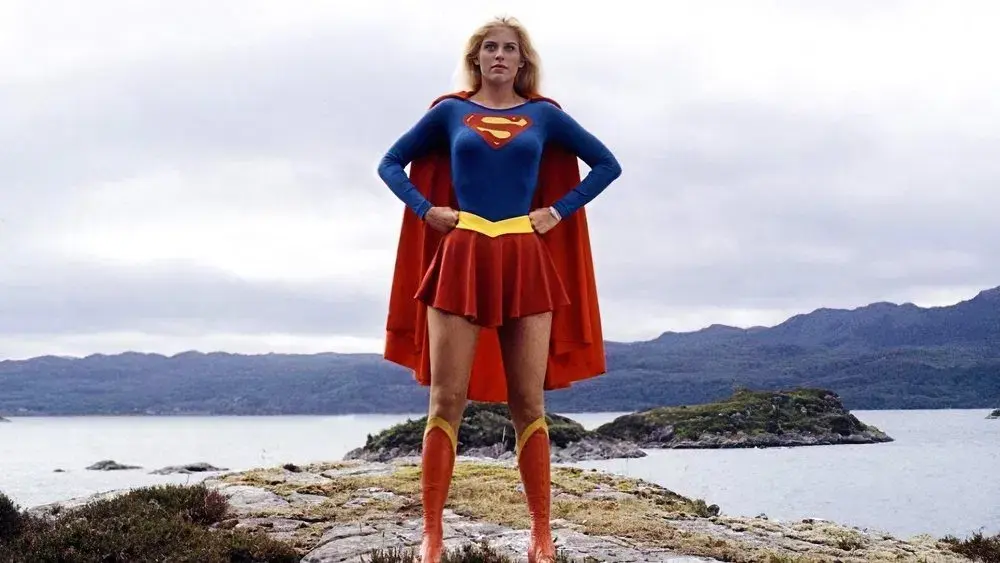
Helen Slater was 20 years old when Hollywood decided she was finished.
Not gently. Brutally.
She'd landed the role every young actress dreams of—her name above the title, a superhero franchise, a $35 million budget. Supergirl (1984) was supposed to launch her into the stratosphere.
Instead, it crashed so hard that studios spent the next three decades pointing to it as proof female superheroes couldn't work. Helen became the cautionary tale. The answer to a question nobody wanted to ask: "What happens when your biggest break becomes your biggest disaster?"
Most actors vanish after that. Quietly. Permanently.
Helen did something else entirely.
She came back. Made hit films. Built a career. Then—just when Hollywood expected her to desperately cling to fame—she walked away. Chose her daughter over auditions. Chose university over visibility.
By 2023, she'd released six music albums, earned a PhD in Mythological Studies, and spent seven seasons playing Supergirl's mother on television.
Dr. Helen Slater. Not honorary. Not celebrity fluff. Real doctorate. Real career. Real life built entirely on her own terms.
This isn't the story Hollywood tells about actresses who fail early.
This is what happens when someone refuses to let one catastrophe define them.
The Girl Who Could Sing Before She Could Act
Before the cape. Before the disaster. Before any of it.
Helen Rachel Schlacter was born 15th December 1963 in Bethpage, Long Island, raised in nearby Massapequa. Her mother Alice Joan Citrin was a lawyer and nuclear disarmament peace activist. Her father Gerald Slater was a television executive. They divorced in 1974. She has a brother, David, who became a lawyer in New York City.
Helen's family is Jewish, Eastern European descent.
She could sing before she understood acting. That voice—clear, powerful, trained—became one of her secret weapons.
Great Neck South High School first, then High School of Performing Arts in Manhattan. The Fame school. Graduated 1982.
Lee Strasberg Theatre Institute after graduation. Method acting. The real training.
Her first professional role: "Amy and the Angel" (1982), an ABC Afterschool Special alongside James Earl Jones, Meg Ryan, and Matthew Modine. This was the only time audiences saw Helen as a brunette.
Then came the audition that would change everything.
"You ARE Supergirl"
1982: Alexander and Ilya Salkind—the producers behind Christopher Reeve's Superman films—decided female superheroes were ready for the big screen.
Within months of graduating high school, Helen found herself auditioning for a $35 million franchise.
They saw over 1,000 actresses. Demi Moore. Brooke Shields. Hundreds of hopefuls who wanted that cape.
Helen walked in at 18 and won the role.
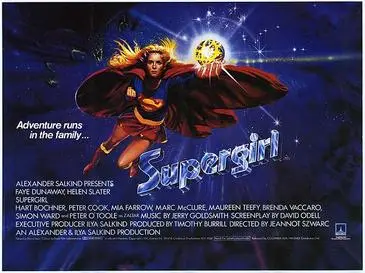
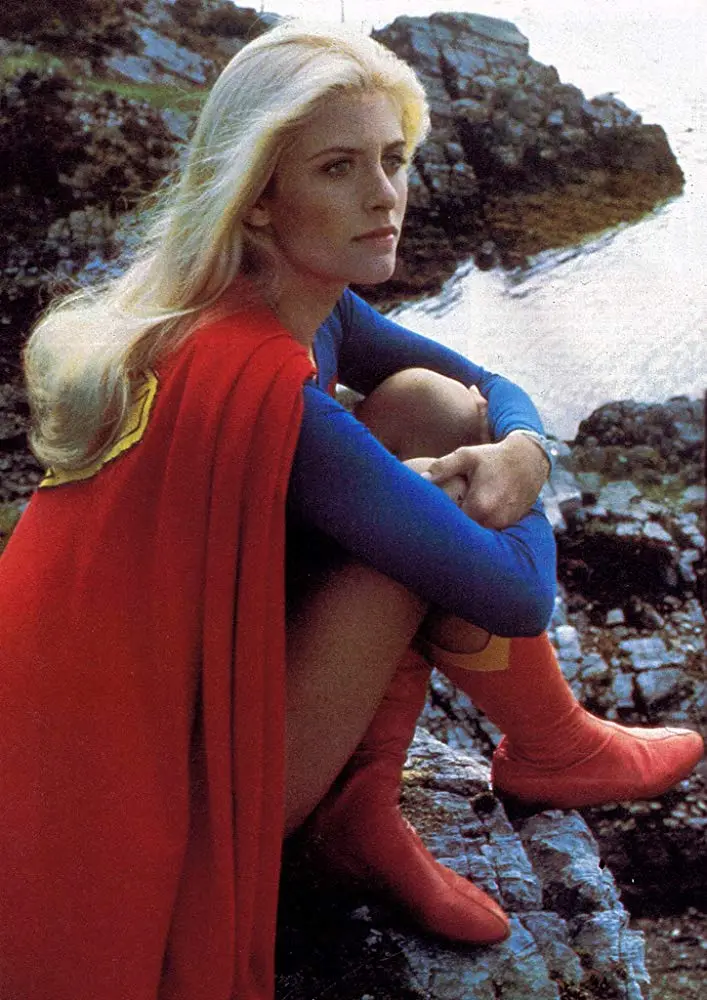
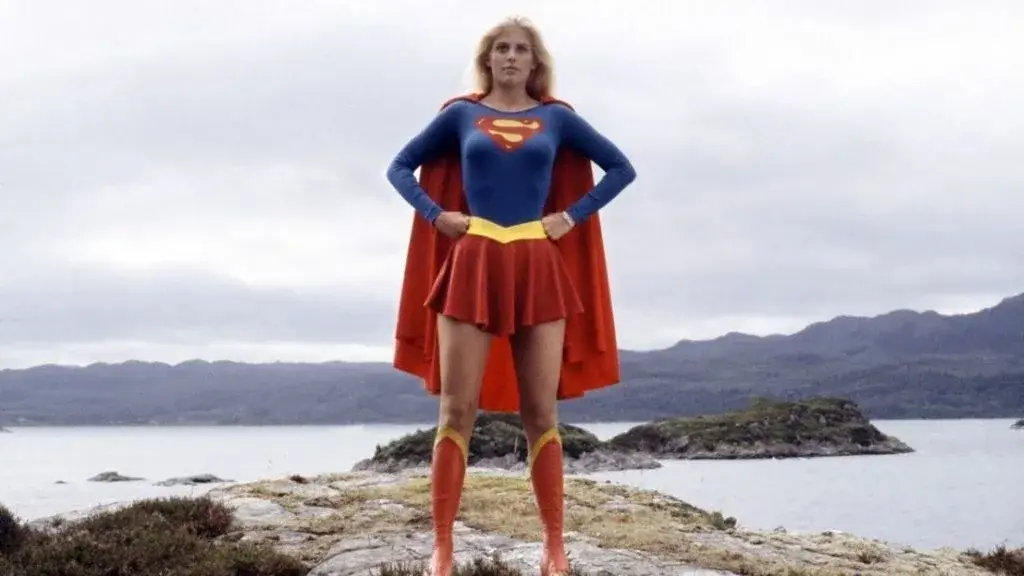
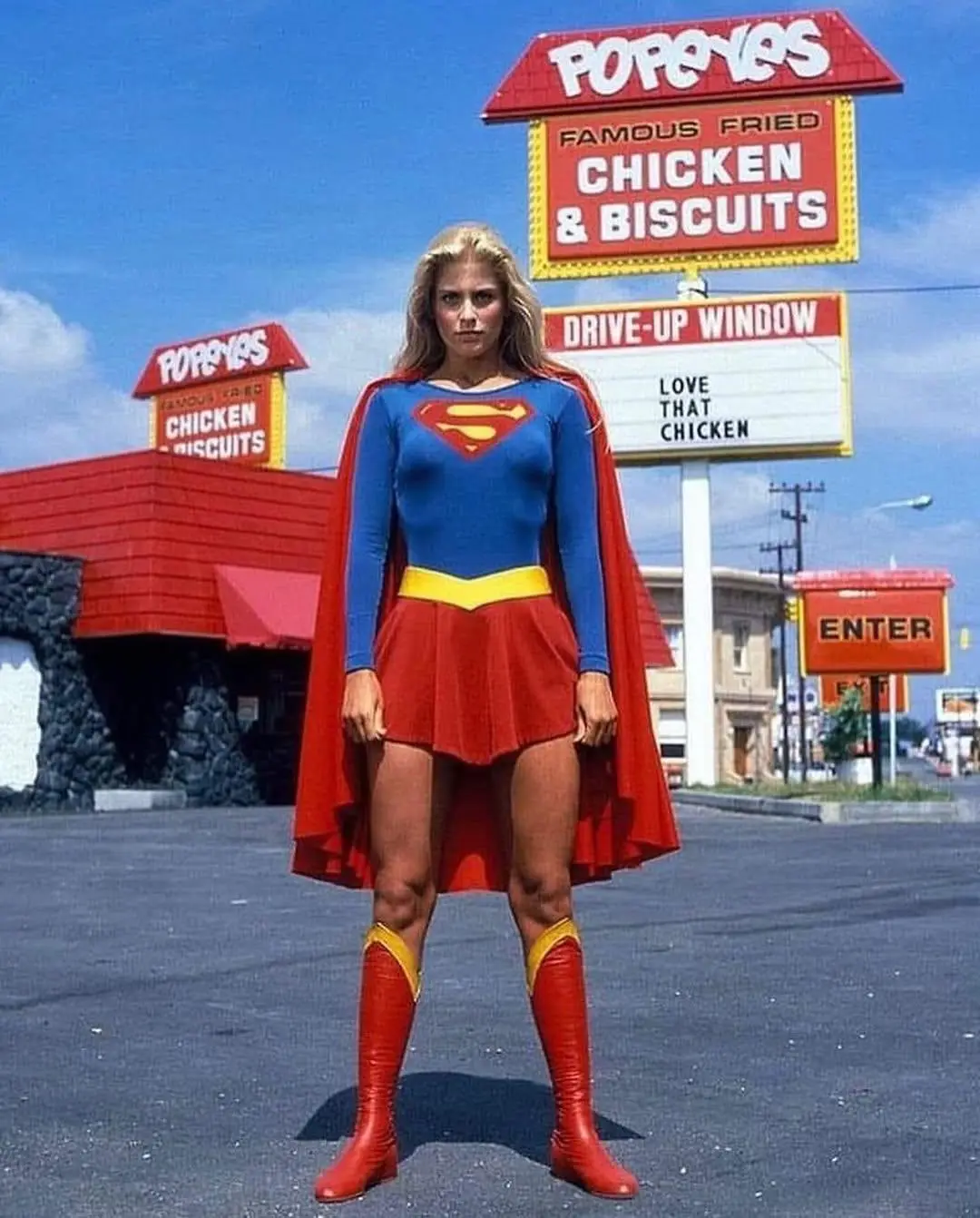

Helen Slater as Supergirl (1984)
She spoke to Christopher Reeve first—asked him what it was like to play a superhero. His advice proved invaluable, though it couldn't prepare her for what was coming.
Director Jeannot Szwarc said she had something indefinable—genuine goodness that couldn't be faked.
Cast in 1982. Filming in the UK, 1983. Budget: $35 million. Faye Dunaway as villain. Peter O'Toole. Mia Farrow. Legitimate actors surrounding this unknown, betting she could carry it.
Helen trained for months. Flying rigs. Wirework. Physical conditioning.
The costume became iconic—blue miniskirt, red cape, the "S" shield. Helen made it look natural.
Early screenings looked promising.
Then Supergirl opened 21st November 1984.
Helen was weeks from her 21st birthday.

The Crash
November 21, 1984: Supergirl opened.
$14.3 million domestic. $35 million budget.
1984: It didn't just fail. It detonated.
Critics were brutal. Roger Ebert: Two stars. "Sappily boring." The Hollywood Reporter: "limp and tedious."
The truth nobody wanted to acknowledge: it wasn't Helen's fault. Even harsh reviews admitted she committed fully. The problem was the script, the pacing, special effects that couldn't match Superman's magic.
That’s a shame, because there’s a place, I think, for a female superhero, and Helen Slater, who plays Supergirl, has the kind of freshness, good health, high spirits, and pluck that would be just right for the character. As it is, Slater is the best thing in the film. She shares with Christopher Reeve the ability to wear a funny costume and not look ridiculous. We look at her and we see Supergirl. We look around her and we see the results of a gag-writer’s convention.
But when a $35 million film bombs, the star's face is on the poster. Helen took the hit.
She was 20 years old. Weeks from her 21st birthday. Her big break had become her biggest liability.
Most careers end right there.
Helen refused to disappear.
Behind the vanishing acts: Explore our full database of archival records and investigative profiles.

Ruthless Recovery
Less than a year later, Helen was back.
1985: The Legend of Billie Jean.
Helen played Billie Jean Davy—a modern-day Joan of Arc who accidentally becomes a folk hero. Co-starring Christian Slater (no relation), Yeardley Smith, Peter Coyote.
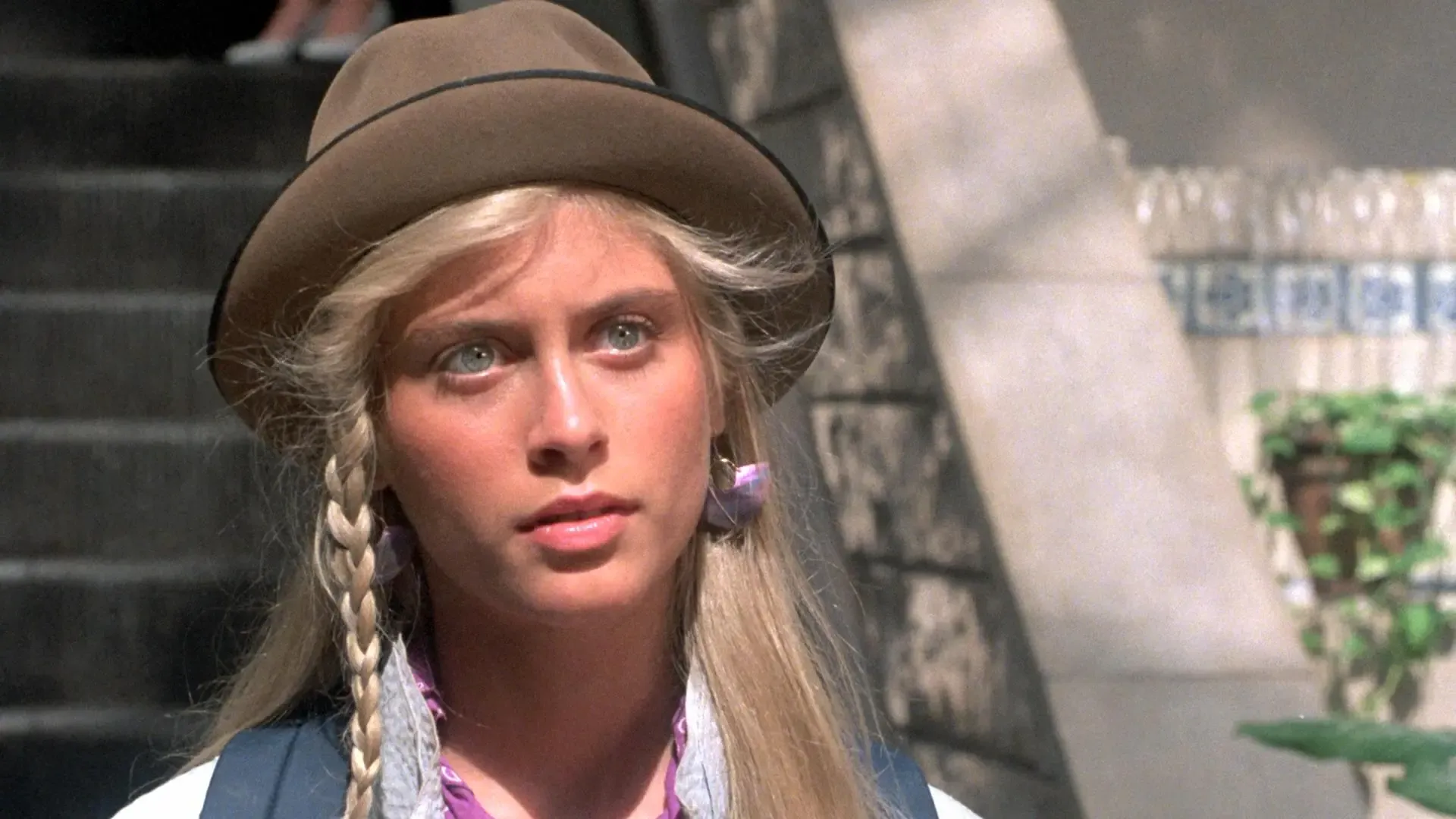
Not a box office smash. But it found a cult following that endures. The tagline "Fair is fair!" became iconic. Helen proved she could carry a film without superpowers.
1986: Ruthless People.
Danny DeVito celebrates his wife's kidnapping. Bette Midler turns captivity into a weight-loss programme. Judge Reinhold and Helen Slater play kidnappers whose morals keep interfering.
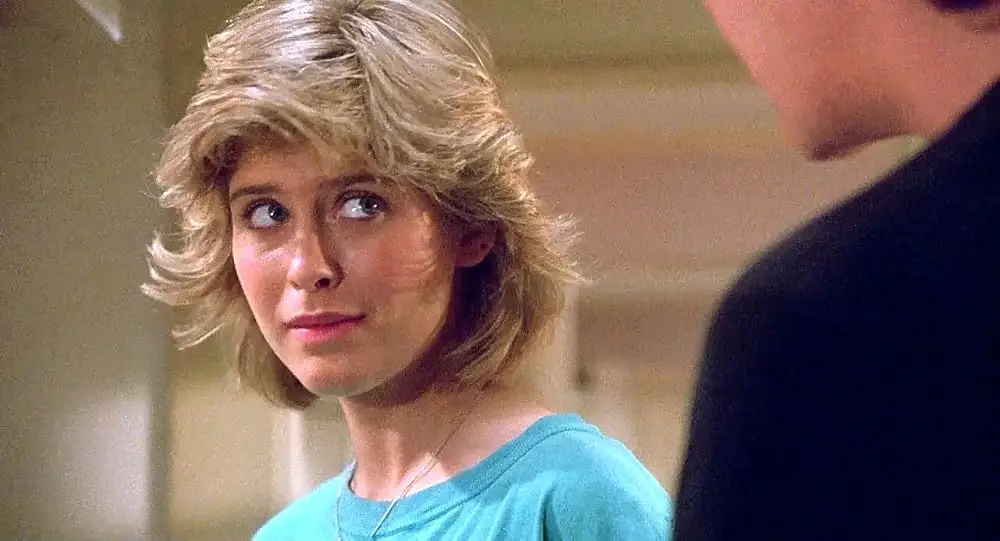
$71.6 million box office. 9th highest-grossing 1986. 93% Rotten Tomatoes.
Helen played Sandy Kessler—sweet, determined, morally conflicted. The heart of the film. She held her own opposite Midler and DeVito.
Ruthless People proved the Supergirl failure wasn't about Helen's talent.
Hollywood noticed.
 Richard Wells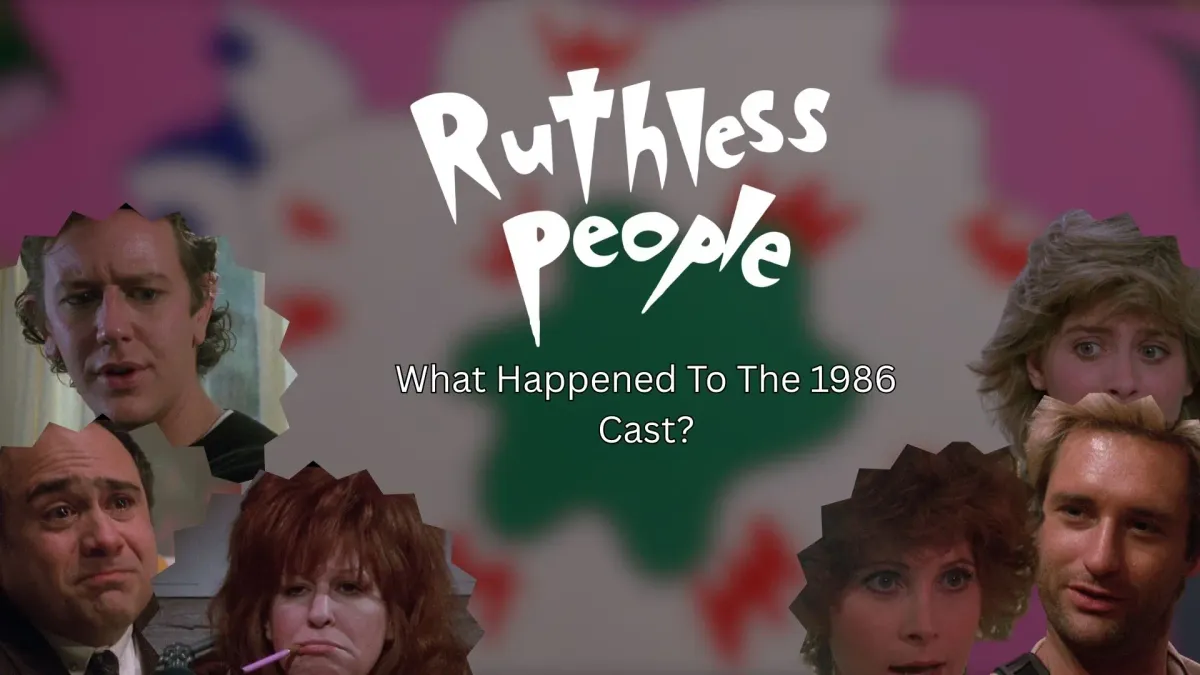
1987: The Secret of My Success with Michael J. Fox at peak Back to the Future fame. $66.9 million domestic. 7th highest-grossing 1987.
Two years after Supergirl, Helen had two major hits. The comeback was complete.
She worked steadily. Happy Together (1989). City Slickers (1991) with Billy Crystal. Television: Tales from the Darkside, The Outer Limits, Seinfeld (playing a love interest of Jerry, who's a massive Superman fan in real life).
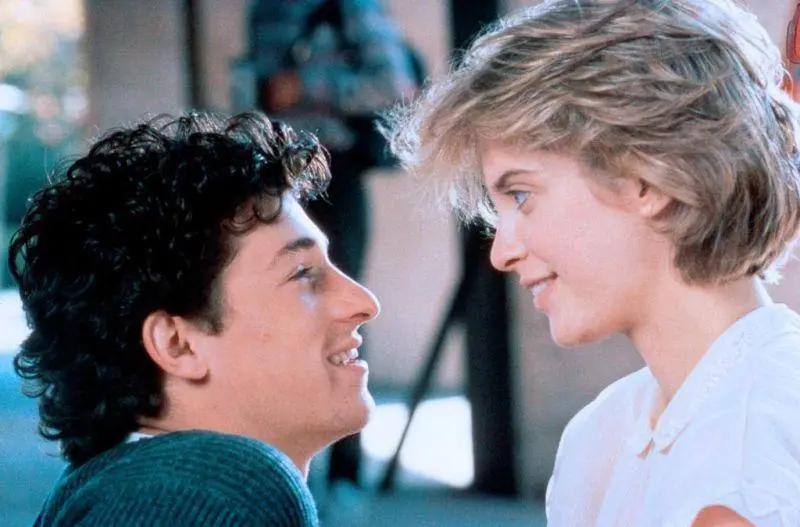
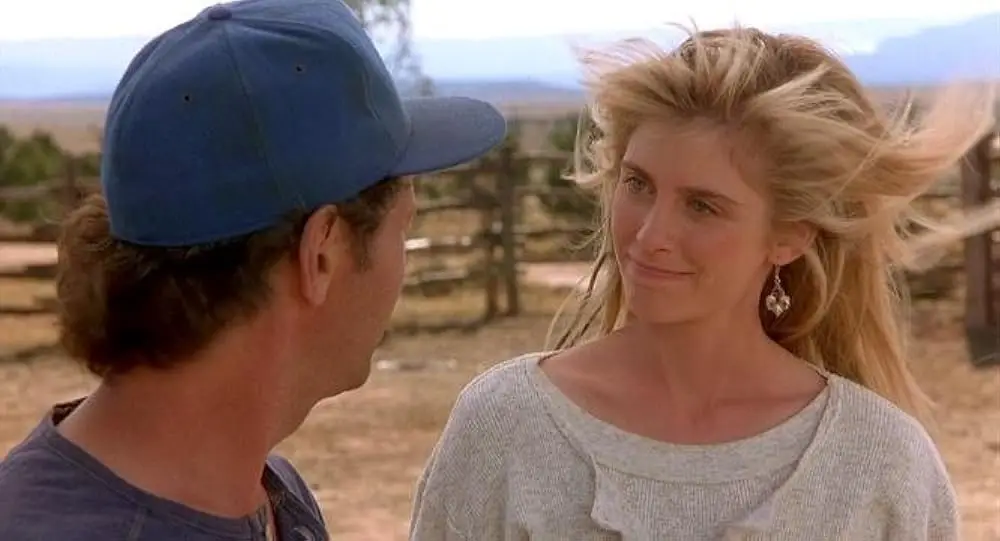
Helen Slater: Happy Together (1989) and City Slickers (1991)
She continued her education—classes at both NYU and UCLA. Never stopped learning.
From 1995-96, she became spokeswoman for Preference by L'Oréal. Television commercials. Print ads. Mainstream visibility. Proof she'd rebuilt completely.
By 1995, Helen Slater had everything most working actresses spend careers chasing—steady employment, recognisable face, financial security, respect from directors who'd hire her again.
She'd clawed back from disaster. Proved everyone wrong. Won.
Then she did something that made no sense to anyone watching.
She walked away.
The Invisible Decision
17th September 1989: Helen married Robert Watzke, an award-winning film editor.
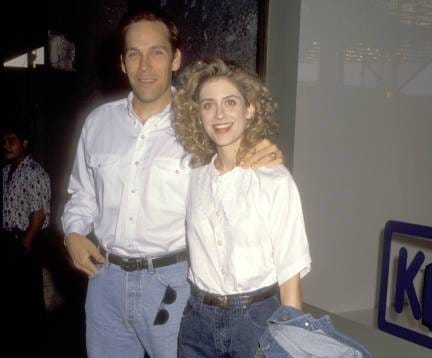
Her best friend Helen Hunt introduced them.
28th August 1995: Helen gave birth to their daughter, Hannah Nika.
Helen was 31. Prime career years. The age where actresses fight hardest to stay visible because Hollywood's about to decide they're too old for romantic leads, not old enough for mother roles—basically invisible.
Helen chose her daughter.
Not publicly. No dramatic announcement. She just quietly pulled back. Fewer auditions. More selective about roles. Present for Hannah's childhood in ways that starring in films wouldn't allow.
She'd worked since she was a teenager. Now, for the first time, she wasn't hustling. Wasn't terrified that six months without work meant career death.
But Helen wasn't retiring. She was transforming.
The 2000s and 2010s brought steady work on her own terms. Series regular roles in The Lying Game (2011-2013) and Gigantic (2010-2011). Guest appearances on Mad Men's series finale, Grey's Anatomy, Private Practice, Supernatural, Will and Grace.
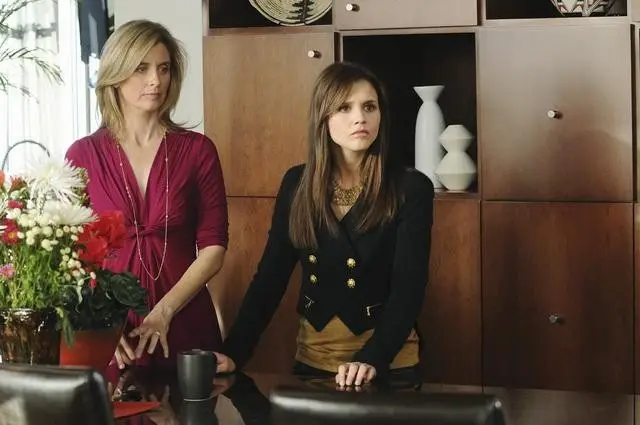
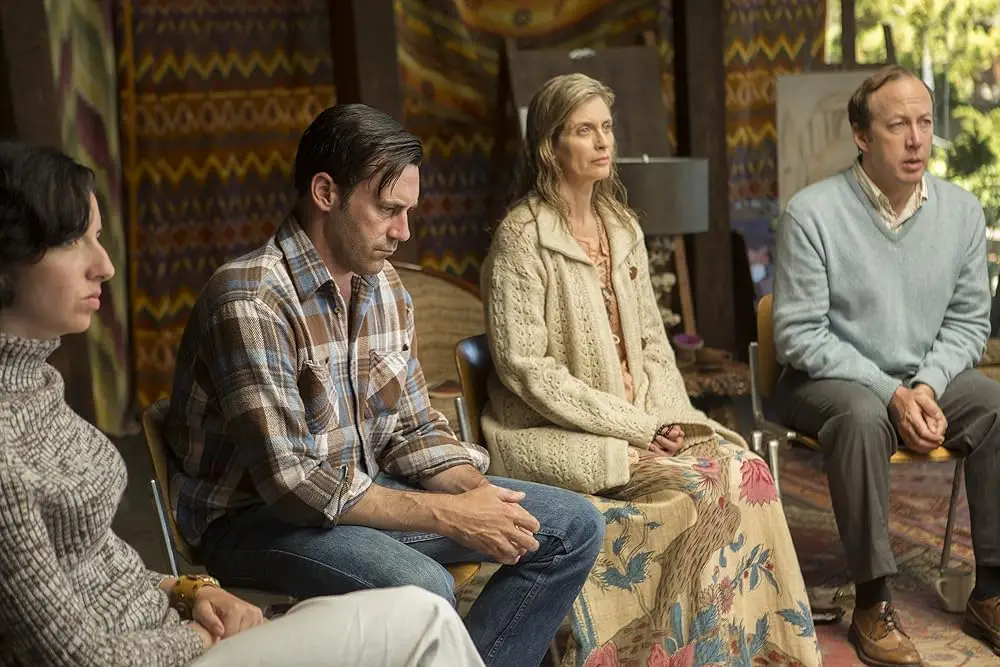
Helen Slater in The Lying Game and appearing in Mad Men
What Happened To?
Check out these articles to see what happened to other big stars who faded from the spotlight:
The Singer Nobody Expected
Somewhere between motherhood and acting, Helen returned to her first love: music.
2003: One of These Days.
Not pop. Not trying to be radio-friendly. Jazz-influenced, musically sophisticated. Helen co-wrote tracks, played piano. Recorded live with six musicians—no overdubs, no studio tricks. Just real musicianship.
The album found its audience. Not millions, but people who appreciated craftsmanship.
More albums followed. Six total, including three children's albums based on mythology—The Myths of Ancient Greece, The Ugly Duckling, Selkie.
This wasn't random. Helen had always loved mythology, loved Joseph Campbell's work on heroes and transformation, loved the deep patterns underneath human stories. Now she was creating albums that taught children those same myths through music.
Most actors who release albums are jokes. Helen was serious. The music was good. She toured, performed live, built a following that had nothing to do with Supergirl or Ruthless People.
She'd proven she could survive Hollywood's cruelty. Now she was proving she didn't need Hollywood at all.

Dr. Slater
Sometime in the 2000s, Helen made another unexpected decision: university.
Not online classes or celebrity programmes. Real academia. Antioch University. Bachelor of Arts in Humanities.
Then she kept going.
Pacifica Graduate Institute. PhD in Mythological Studies with Emphasis in Depth Psychology.
This isn't film studies or theatre history. This is Jungian psychology, archetypal analysis, the deep structures of human consciousness expressed through myth. Carl Jung, Joseph Campbell, James Hillman—studying scholars who understood myths aren't just stories, they're maps of the human psyche.
Helen spent years researching, writing, defending her work to academics who didn't care that she'd played Supergirl. They cared whether her arguments held up.
9th October 2023: Helen defended her dissertation: "Taking a Seat in the Awakened Heart: The Archetypal Nature of Refuge."
She passed.
Dr. Helen Slater. Not honorary. Not celebrity fluff. Real doctorate from a real programme with real standards.
She was 59. Most people that age are thinking about retirement. Helen had just spent years proving she could master an entirely different field.
In interviews after graduation, she explained why. Acting had been her career, but mythology had been her obsession since childhood. Those deep patterns underneath human stories—the hero's journey, transformation, the relationship between individual and collective consciousness—that's what actually fascinated her.
The dissertation's title is revealing: "Taking a Seat in the Awakened Heart." Finding refuge not through escape, but through presence. Through understanding the archetypal patterns that connect us.
For someone who'd survived Hollywood, who'd been chewed up by a superhero franchise and rebuilt herself multiple times, who'd chosen family over fame, this makes perfect sense.
Helen had always been looking for the deeper pattern underneath the surface story.
Now she had the academic credentials to articulate it.

Full Circle
2007: Smallville episode. Helen played Lara-El—Superman's biological mother.
2007: Brief role. But symbolically perfect: the actress who'd played Superman's cousin now playing his mother.
She'd also voiced Talia al Ghul in Batman: The Animated Series. Another DC character. The superhero universe kept calling her back.
Then came the offer that completed the circle.
2015: The CW developed a Supergirl television series. Melissa Benoist would play Kara Zor-El. They needed someone to play Eliza Danvers, Supergirl's adoptive mother on Earth.
They offered it to Helen.
She'd spent 31 years watching Supergirl (1984) used as evidence that female superheroes couldn't work. That film had been why studios wouldn't greenlight Wonder Woman, wouldn't take chances on female-led comic book adaptations. Helen's biggest role had become the industry's biggest cautionary tale.
Now they wanted her to help bring Supergirl back. To pass the cape to a new generation.
Helen said yes.
Supergirl ran seven seasons, 2015-2022. 126 episodes. Helen appeared regularly, providing exactly what Eliza Danvers required—warmth, intelligence, unconditional support.
The show thrived. Became part of the CW's DC universe, crossed over with The Flash and Arrow, proved female-led superhero shows could run for years.
In 2023, her likeness appeared via CGI in The Flash film. Another tribute.

Every time Helen appeared on screen as Supergirl's mother, fans who'd grown up with the 1984 film saw the poetic justice.
Supergirl (1984) had tried to kill her career. Supergirl (2015-2022) gave her redemption.
The Woman Who Chose Everything
In 2023, when asked about earning her PhD, Helen said something revealing: "Work has become so scarce for women in their fifties."
Not bitterness. Truth. Hollywood's cruelty to aging actresses isn't new. Helen saw it coming decades ago and did something most actors never consider—she built other lives that didn't need Hollywood's permission.
The dissertation about archetypal refuge? That wasn't academic abstraction. That was Helen articulating what she'd been doing since 1984—finding refuge not through escape, but through transformation.
She co-founded theatre companies. The Naked Angels in 1987 with Gina Gershon. The Bubalaires in 1991 with husband Robert. SHPLOTZ! Turbine Arts Collective. Off-Broadway productions. Regional theatre. Six music albums recorded live, no studio tricks. A Supergirl comic story for issue #50. A PhD at 59.
Helen's been married to Robert Watzke since 1989. Thirty-six years. Their daughter Hannah graduated from NYU Tisch and now works in New York's theatre and comedy scenes—performing, writing, creating. Helen did the impossible: long marriage, raised child, multiple careers, integrity intact.
Looking back at that 1984 disaster, you realise it taught Helen the most valuable lesson possible.
Fame is temporary. Box office is fickle. Hollywood will chew you up and forget you existed.
But if you're smart, if you refuse to let one catastrophe write your story—you can build something that actually lasts.
Helen didn't desperately cling to stardom. She walked away and built a life that didn't require Hollywood's validation. Instead of letting Supergirl define her, she became mother, musician, scholar, doctor.
Then—when Hollywood finally figured out how to do Supergirl right—she came back. Not as the hero. As the mother. The one who'd survived the cape, learned the hard lessons, and could guide the next generation through seven seasons.
Dr. Helen Slater played Supergirl in 1984.
But she never needed saving.
She saved herself.
This article draws from Helen's interviews over the years, her academic work at Pacifica Graduate Institute, and the memories of fans who've followed her journey from 1984 to today. Helen rarely discusses her personal life publicly, choosing to let her work speak for itself—which is exactly the kind of boundary most actors never learn to maintain.